
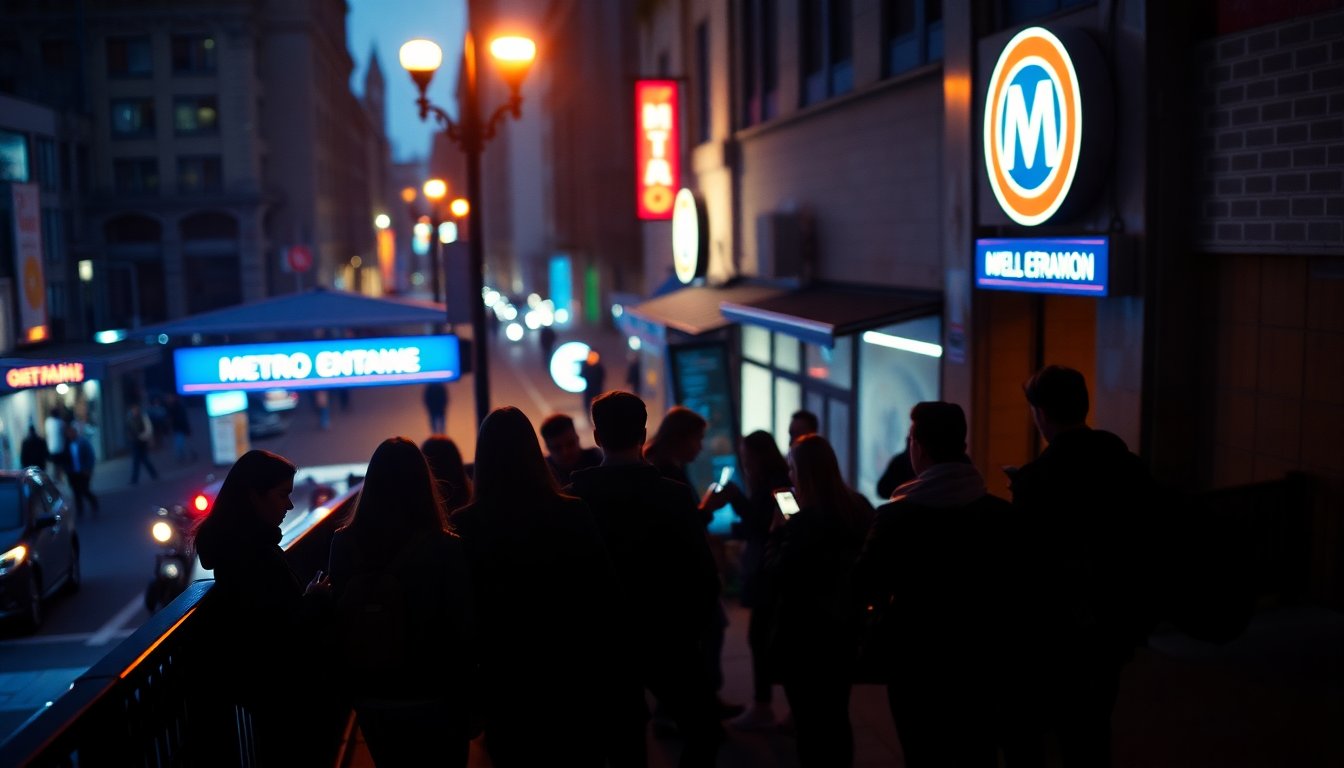
The experience of using Grindr can feel oddly mechanical: rapid swipes, a stream of profiles, and instant gratification that rarely extends beyond the moment. The app’s layout and incentives prioritize speed and repeat engagement, turning encounters into short-lived interactions that deliver quick dopamine bursts. This is a result of a deliberate product model that treats dating and sex like a consumable commodity. At its core the platform is proximity-based—a design that promises local connection but often produces transactional meetings that end as soon as the screen is closed. The user interface, promotions, and paywalls combine to keep people coming back rather than building longer-term, in-person communities.
Beyond interface mechanics, the site’s social coding shapes who gets attention and who is sidelined. Openly exclusionary phrases like “no Blacks,” “no Asians,” or “no femme” circulate with disturbing frequency, and the algorithm amplifies patterns of visibility and invisibility. Language on the platform can be subtle or blatant, but its effect is the same: a sorting system that determines which bodies are fetishized, ignored, or rewarded with more matches. With a paywall and an ad-driven business model, the app monetizes both attention and exclusion, and users who belong to the targeted groups feel the sting of that prioritization most acutely.
The platform as a behavior engine
Grindr’s product architecture reinforces repetition and predictability. When certain types of profiles or interactions generate engagement, the system surfaces them more often. Over time, this feedback loop does not merely reflect user tastes—it shapes them. The result is a narrowing of possibility: desire is curated into a familiar set of preferences rather than an exploratory, community-building force. The app rewards repeatable signals and optimizes for retention, turning social interaction into a pattern to be exploited. The effect is that users begin to internalize the platform’s sorting cues as their own preferences, making the algorithm an active participant in personal taste formation rather than a passive mirror of it.
Reinforcement and social consequences
As the system reinforces certain expressions of desirability, other identities are pushed to the margins. Profiles that match the platform’s favored template—often racially narrow, body-type specific, or aligned with mainstream aesthetics—are algorithmically advantaged. This dynamic produces real-world effects: reduced visibility, increased fetishization, and social isolation for those outside the favored set. At the same time, manufacturers of attention benefit financially, with the platform’s highest tiers and advertising opportunities accruing to those who can pay or fit the promoted mold. The technology’s capacity to sort and amplify is a form of power that has social and political consequences for the broader queer community.
From app to Washington: lobbying and influence
In recent years, the company behind the app has moved beyond product optimization into active engagement with political institutions. Significant investments in lobbying and relationship building on Capitol Hill show an ambition to shape policy discussions that affect users’ lives—issues like HIV prevention, privacy, and access to care. Company leadership and senior staff include figures experienced in political circles, a shift that positions the firm as a stakeholder in policy debates. Its presence at high-profile gatherings signals a desire to translate cultural capital into political capital, while also appealing to wealthier advertisers and partners who prize access to powerful networks.
Politics, priorities, and community risk
That political engagement raises difficult questions. The broader policy environment includes efforts to reduce funding for AIDS care, limit access to preventive drugs, and enact anti-trans measures, all of which disproportionately harm marginalized people in the LGBTQ+ community. When a platform that benefits from user dependency chooses to cultivate access to power without demonstrably protecting vulnerable populations, the tension becomes acute. The company’s leadership—publicly associated with conservative viewpoints in some cases—and its hires from partisan circles complicate the narrative that this is purely benevolent civic engagement. Instead, it reads as strategic positioning that may prioritize corporate and investor interests over the needs of those most at risk.
Ultimately, the most urgent question is whom the platform is lobbying for and what version of queer life it promotes. As Grindr converts attention into revenue and influence, the choices it makes about product design, moderation, and political outreach will shape real-world access and representation. Community accountability, transparent policy stances, and investment in equitable access to care are necessary checks if the platform is to serve the wider public interest. Observers and users alike should watch closely as the company navigates corridors of power, testing whether its engagement yields protection and equity or simply extends a commercial model into political life.


