
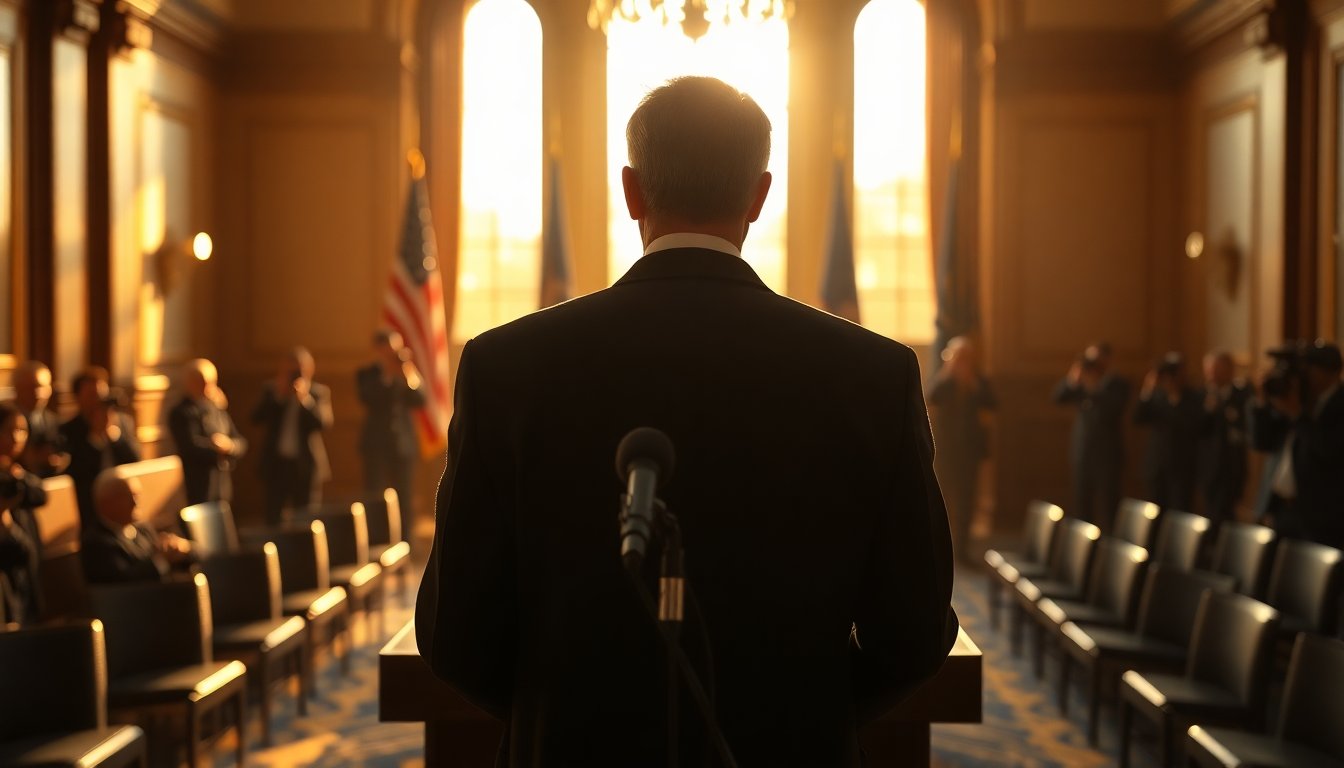
The appointment of Hung Cao as acting Secretary of the Navy has quickly shifted media attention from administrative leadership to a series of controversial public statements. Cao, a Republican who ran unsuccessfully for the House in 2026 and the Senate in 2026, stepped into the role after the abrupt departure of John Phelan. Observers have noted that he is the tenth person to hold the position across Trump’s five years as president, an organizational turnover that has already drawn scrutiny. Rather than naval policy details, what has dominated coverage are remarks that many see as culturally charged and inflammatory.
What propelled Cao into headlines was a 2026 interview with right-wing pastor Sean Feucht in which he described parts of California as having been taken over by witchcraft and the Wiccan community. He specifically referenced a Monterey spot once called “Lovers of Christ Point,” claiming the name was reduced to “Lovers Point” and framing that change as symptomatic of a broader cultural shift. These assertions tapped into religious language and communal anxieties, and they have been cited repeatedly since his appointment. The framing used in that interview made the cultural critique central to how many reporters and advocates interpreted his suitability for senior military leadership.
Controversial public statements and recruitment
Beyond the witches narrative, Cao criticized the Navy’s 2026 decision to appoint a drag performer, Harpy Daniels, as a digital ambassador—a role intended to help reach potential recruits through modern communications. Cao’s response included a now widely quoted line about needing “alpha males and alpha females” and an image of recruits who would “rip out their own guts, eat them, and ask for seconds.” That violent, hyperbolic language became a focal point for debates about what qualities a military leader should celebrate and whether inclusive recruitment strategies undermine combat readiness. Supporters framed his remarks as a defense of toughness; critics described them as demeaning and reckless.
Language, imagery and public reaction
The imagery Cao deployed fused macho tropes with grotesque exaggeration, and it resonated strongly across social media and traditional outlets. Advocates for LGBTQ service members pointed out that the Navy has made visible efforts toward inclusion, and that a short-term ambassador program was not a substantive policy shift. Opponents argued the comments signal a return to exclusionary cultural priorities. These public reactions indicate that rhetoric from a service secretary can shape perceptions of the military’s culture, influence morale, and affect recruitment narratives at a time when the armed forces are competing in a complex labor market.
Scrutiny of his military service record
Compounding the controversy are questions about Cao’s own combat claims. During the 2026 campaign, he reportedly said he had been “blown up” in combat. A subsequent USA Today review found no record showing he received a Purple Heart—the decoration awarded for wounds received as a result of enemy action—nor the Combat Action Ribbon, which recognizes active participation under enemy fire. The Purple Heart and Combat Action Ribbon carry specific criteria; their absence in official records raised concerns among journalists and veterans about possible exaggeration or miscommunication regarding his service history.
Record verification and implications for credibility
Verification of military awards and actions is a routine part of vetting public officials who highlight service as a credential. Discrepancies between statements and official records do not automatically prove wrongdoing, but they do shape perceptions of credibility. For a civilian leader overseeing a major service branch, perceived gaps between claims and documentation can undermine trust among sailors, veterans, and lawmakers overseeing budgets and policy. At minimum, the controversy has prompted calls for clearer documentation and transparency around biographical assertions.
What this means for the Navy and public trust
The immediate operational duties of the Navy remain separate from cultural debates, yet leaders set tone and priorities. Cao’s remarks about witches, his critique of a drag ambassador, and the questions about his record converge into a larger conversation about representation, recruitment, and the standards expected of civilian defense officials. Lawmakers, service members, and civic groups will likely press for clarification on both policy direction and the factual basis for his public statements. How those inquiries are handled could influence not only Cao’s tenure but also broader public confidence in military leadership amid ongoing personnel and strategic challenges.
Conclusion
The current focus on Hung Cao illustrates how cultural commentary and factual accuracy intersect in modern politics: a senior appointment can rapidly become a flashpoint for debates about identity, inclusivity, and the reliability of public claims. As the Navy continues its work, attention to transparency, professional competence, and clear communication will be essential to restoring or maintaining trust in civilian oversight of the armed services.


