
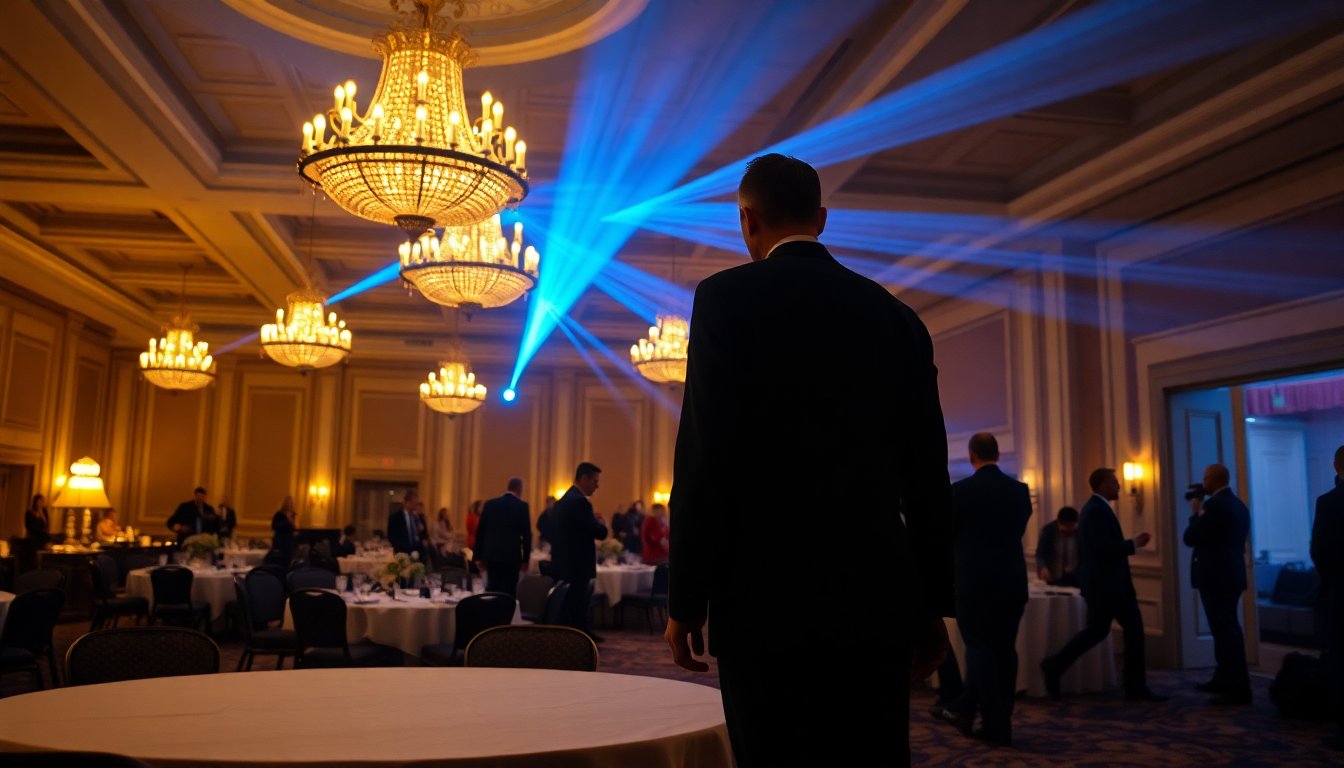
On April 25, 2026, the atmosphere at the Washington Hilton shifted from a formal banquet to a high-alert security scene when gunfire erupted near the ballroom hosting the White House Correspondents’ Dinner. Attendees, including President Donald Trump and First Lady Melania Trump, were quickly escorted away by a visibly armed detail. The hotel’s lower-level ballroom filled with journalists, public officials and guests who sought cover beneath tables as law enforcement converged on the source of the disturbance. Video shared from the scene showed agents drawing weapons and moving protective formations toward the doors, and staff later confirmed the event would not continue that night and would be rescheduled.
The individual taken into custody was identified by multiple outlets as Cole Tomas Allen, a 31-year-old from Torrance, California, who allegedly entered the lobby armed with multiple weapons and rushed past barriers toward the ballroom’s screening area. Authorities said the person encountered a heavy security presence and was quickly restrained. A Secret Service officer was struck but appeared unharmed thanks to a bulletproof vest. Law enforcement officials reported recovery of a long gun and spent shell casings, and the FBI and prosecutors indicated charges would be filed promptly as they sift through evidence and interview witnesses.
How the incident unfolded
According to pooled reports and on-site journalists, the disruption began with several loud bangs near the ballroom entrance that many initially mistook for a dropped tray. Within seconds, agents moved toward the noise with drawn weapons and shouted warnings. Many guests described hearing the sounds through the double doors that separate the public lobby from the secured event space, then being shepherded through a secured presidential exit corridor established for rapid removal. Security officers, some in tactical gear and others in formal detail uniforms, worked to clear the room and seal off public access. President Trump was escorted offstage and led to a secure area designed for such contingencies; footage shows the haste and controlled urgency of that movement.
Eyewitness accounts and immediate reaction
Journalists on the scene reported diving under tables and smelling gunpowder in the ballroom, with some estimating five to eight shots though officials later said assessments were ongoing. One White House pool reporter described agents pressing the press pool back and shouting that shots had been fired, while other attendees recounted a cacophony of shouted commands, clattering dishes and staff attempting to calm panicked guests. A short time later, the event’s organizers began dismantling the presidential lectern and table settings, acknowledging the need to postpone. Outside the hotel, the National Guard and additional local law enforcement took positions as aerial units circled above.
Security response and evidence gathering
The rapid containment and arrest were credited to the layered security architecture surrounding the dinner: visible Secret Service teams, credential checkpoints with magnetometer screening and restricted access points. Still, commentators noted that the hotel historically allows general guests to remain in public areas during the dinner, creating potential access points outside the ballroom. Investigators recovered a long gun and multiple shell casings, and the FBI stated it was reviewing surveillance footage and interviewing witnesses. Acting prosecutors indicated charges related to firearm use during a violent crime and assault on federal officers were likely to be filed, while authorities asked the public to come forward with any information that might help the inquiry.
Evidence and investigative leads
Federal agents focused on video from hotel cameras and cellphone clips shared online, including footage circulated by the president showing the suspect on the ground. The recovery of spent shell casings and a suspected long gun will be central to forensic analysis, and investigators said they were tracing the suspect’s movements prior to the breach. Officials emphasized that the probe was in its early stages and that every tip could be significant. The event’s high-profile nature — with senior administration officials in attendance — means the legal response will likely be swift and closely watched.
Political context and aftermath
This appearance marked President Trump’s first attendance at the annual dinner as president, bringing into focus a fraught relationship between his administration and much of the press corps. The guest list that night included Cabinet members and administration allies, underscoring the political stakes of the gathering. In the aftermath, remarks from the president and senior officials emphasized resilience and a commitment to not let violence disrupt civic life, while leaders across the political spectrum expressed relief that no senior figures were harmed. Organizers pledged to reconvene the dinner at a later date, and officials continued to stress the need for calm and cooperation while the investigation proceeds.
The incident joins other recent threats and attacks involving the president and underscores ongoing debates about protective measures at high-profile events. As authorities continue to reconstruct the sequence of events and prepare charges, the focus remains on determining motive, any possible accomplices and lessons for future security planning at public political gatherings.


