
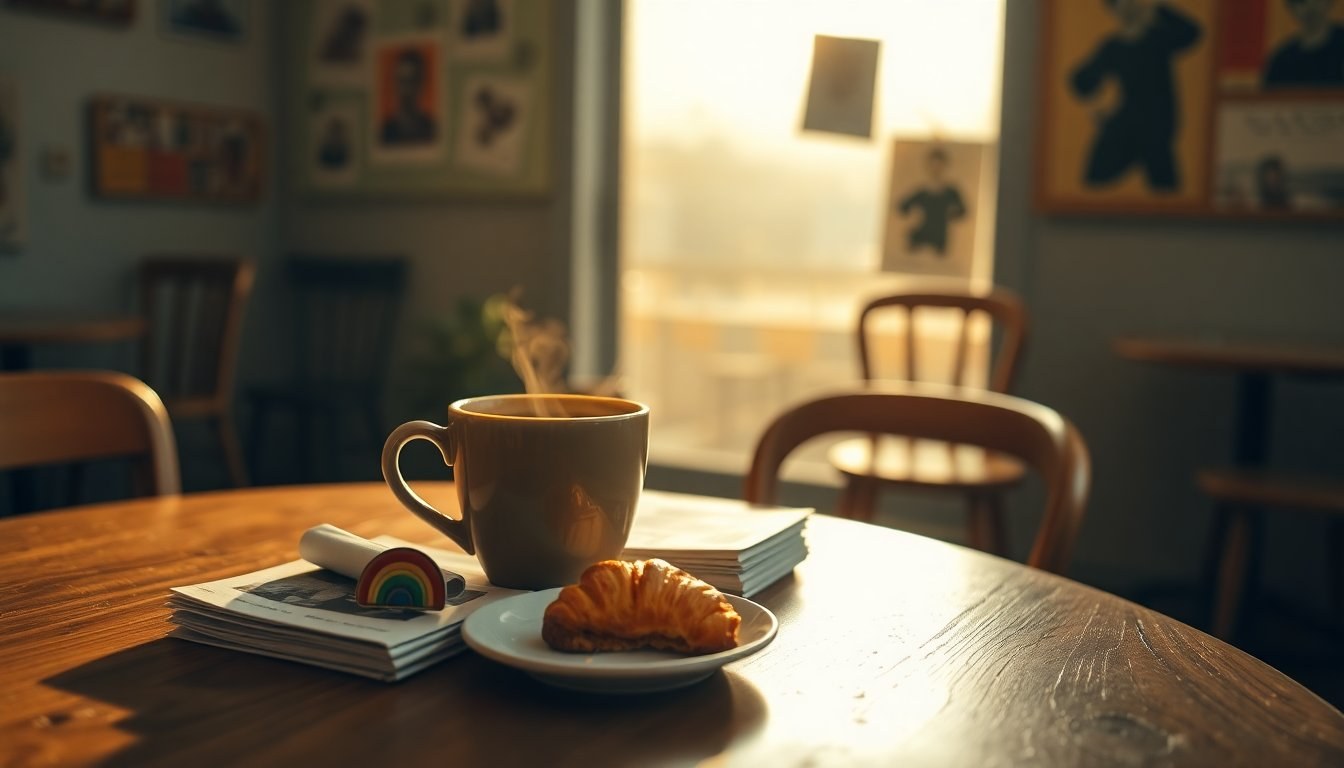
My first memory of walking into a queer cafe was not in a guidebook but in a neighborhood: the Davis Square spot called Diesel Cafe in Somerville, Massachusetts. That cafe, open since 1999, felt like an immediate invitation to belong — a counterpoint to the hostile suburbs where many queer people grow up. For someone newly out, discovering a place where you could relax without explaining yourself is a powerful moment: the kind of everyday sanctuary that feeds identity and confidence.
Across the United States, small businesses run by queer people are doing more than pouring drinks; they are cultivating community and producing space beyond home and work. I use the phrase third space intentionally: a neutral public place where people convene, exchange ideas and form care networks. These cafes host events, mutual aid and informal gatherings that translate into emotional and material support for local queer communities.
Why these cafes matter
Queer-owned cafes often serve as the first place many people experience an affirming public environment. They offer the practical comforts of coffee and food but also the less visible benefits of visibility, networking and safety. When a cafe becomes a reliable meeting spot, it helps build a chosen family—a network of people who understand and protect one another. The presence of consistent, welcoming third places reduces isolation and eases the daily labor of navigating heteronormative spaces.
Community programming and services
Many of these businesses pair hospitality with programming: think donation-based yoga, live music, resume workshops and support groups. For example, Helm Coffee in Indianapolis roasts beans from Ecuador and Colombia and opens as a cafe on weekends while hosting pop-up events and new parent support circles. In Minneapolis, Queermunity — Black and queer-owned and founded in 2026 by Hilary Otey and Kayla Barth — runs Gay AA meetings, crafting nights and even resumé help, funded in part by a membership-driven social enterprise model that offers discounts and subsidized programming.
Economic fragility and resilience
At the same time, many queer cafes operate on thin margins and face displacement pressures. Skoden Cafe in Phoenix, opened in 2026, has had to relocate multiple times and is currently moving locations periodically; beginning in June, they’ll be operating out of nail and beauty salon Stash House AZ. Little Loaf Bakeshop’s co-owner Rian Finnegan took an outside job to support the bakery while it grew from a nonprofit incubator kitchen in Poughkeepsie and a farmers market launch. These realities show both the resilience of queer entrepreneurs and the precariousness of sustaining safe, community-focused venues.
Six cafes to know
Diesel Cafe (Somerville, MA) remains a neighborhood staple in Davis Square and a place to socialize, organize and flirt; its staff hold an annual Prom that celebrates the cafe team’s identities. Owners Tucker Lewis and Jennifer Park expanded with Bloc and Forge Baking Co + Ice Cream Bar, a rare example of queer-run growth. Little Loaf Bakeshop (New Paltz, NY) is known for exceptional vegan pastries — the sesame guava croissant is a local legend — and its mission to create joyful, skill-building jobs for queer and trans people, drawing on collaborations with LGBTQ+ centers and queer creatives.
Helm Coffee (Indianapolis, IN), run by Jillion Potter and Carol Fabrizio, balances roasting sustainably sourced single-origin beans with weekend cafe hours, pop-ups and parental support. Auburn Coffee Mafia (Auburn, AL) operates in a university town and serves playful Indulgence Lattes (blueberry pancakes, peanut butter pie, and the “dirty hippie” brown sugar chai among them) alongside drag shows and poetry nights; the team also participates in local Pride events. Skoden Cafe (Phoenix, AZ) blends Diné and Japanese influences through menu items like a Diné matcha latte and hosts fundraisers for queer, trans and Indigenous neighbors, including aid for families in Gaza. Queermunity (Minneapolis, MN) provides an all-ages hub with made-in-house seasonal syrups and a packed calendar for social and practical support.
How to support and next steps
These cafes provide more than coffee; they are sites of care, culture and organizing. To help them thrive, consider visiting in person, buying merch or memberships, attending events or tipping generously. Sharing their stories on social media and donating to mutual aid drives or relief funds they host amplifies impact. Sustaining queer-owned cafes means investing in places where people can find refuge, resource and joy — small businesses that transform everyday routines into civic life and collective care.


