
My trip to Buenos Aires began with a recommendation from a longtime friend who grew up in Argentina and had lived in the city. Motivated by Spanish lessons, an interest in LGBTQ+-friendly destinations, and a search for affordable international living, I planned the visit during the Southern Hemisphere summer. From the moment I arrived, a single theme dominated my impressions: passion—an energetic commitment to everyday pleasures that colors everything from mealtimes to weekend nights. That sense of vitality was tangible in conversations, street life, and small rituals that felt both familiar and distinctly porteño.
First impressions and the people who shape the city
Even on the overnight flight to the city, travelers from Argentina radiated a warmth and easy happiness that stuck with me. Locals were conversational, expressive, and unafraid to show affection in public, a trait that carried through my three-week stay. Despite economic challenges and significant international financial interventions, people maintained a buoyant approach to day-to-day life—cherishing home cooking, local wines, and communal celebration. The public mood felt framed by an intent to savor life: long dinners, animated debates on the street, and late-night dancing. That collective outlook is a key part of the city’s personality and helps explain why visits can feel so emotionally vivid.
Urban fabric: architecture, doors, and green canopies
Walking through Buenos Aires often brought to mind comparisons with New York—not because the skylines match but because of a similar urban density and mix of socioeconomic layers. Middle-class blocks sit beside gleaming towers, and neighborhoods display a broad social palette. What stood out most, however, were the building entrances. I found myself photographing dozens of front doors, each one a small work of art: oversized wooden portals, carved archways, and contemporary glass entries that announce the identity of their buildings. Trees play an equally important role in the streetscape; mature specimens planted over generations create shade and cooler microclimates while encouraging residents to cultivate balconies and terraces filled with plants.
Food, drink, and markets that reward curiosity
Steaks, empanadas, and wallet-friendly wines
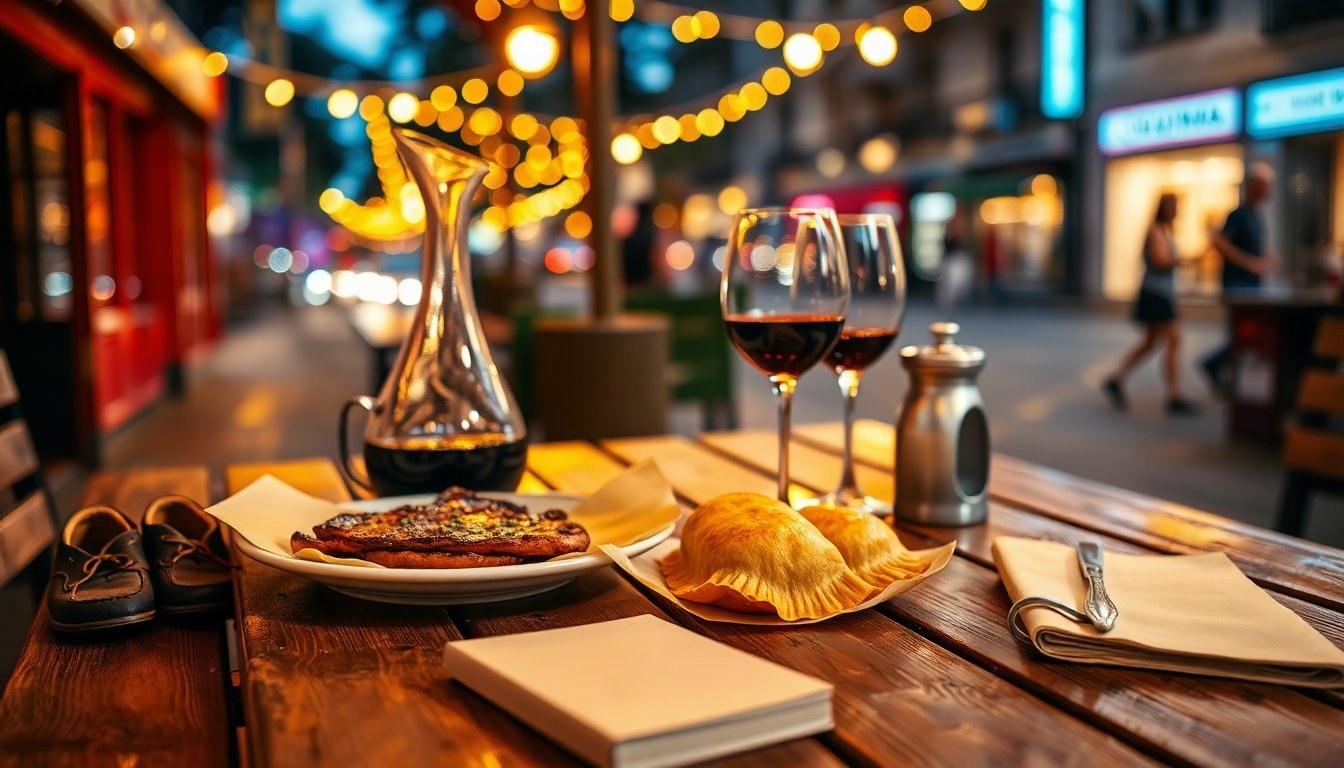
If you travel for cuisine, Buenos Aires delivers consistently. The city practically smells of grilling meat, and high-quality steaks are available across price ranges—served simply and cooked with attention. Empanadas appeared everywhere: baked or fried turnovers with crisp pastry and a range of fillings that made them a favorite quick meal for me. Argentine wines also impressed, especially reds that offer strong value; many bottles retail for under ten dollars in shops, making wine an everyday pleasure rather than a rare treat. The Italian influence on local pizza means you can also find slices and pies that rival other great pizza cities, reinforcing the city’s rich culinary hybridity.
Mate rituals and the curious etiquette of ice
No visit felt complete without encountering mate—the herbal infusion carried in gourd-like cups and sipped through a metal straw called a bombilla. Mate is both a beverage and a social practice: one person prepares the infusion, then passes the cup around, topping it with hot water between sips until the leaves are spent. It’s an intimate communal act that punctuates work breaks and park conversations. Equally noteworthy is the local approach to drinking water and ice: unlike many American dining habits, ice is not always served automatically. Asking persistently often results in a charming payoff: a small silver bucket of perfect, scoopable ice delivered with tongs.
Music, sport, nightlife, and inclusivity
Culture in Buenos Aires is loud in the best way. Tango is woven into public life, with free lessons in parks and formal shows for visitors who want a theatrical experience. The city’s devotion to football (soccer) is visible on shirts, murals, and neighborhood banners, a civic religion that galvanizes fierce loyalty. Nightlife deserves a special note: locals operate on a different clock—dinners after 9 PM, clubs that truly begin after midnight, and a nightlife rhythm that stretches into morning light—an experience locals sometimes call morninglife. For LGBTQ+ travelers, Buenos Aires is broadly welcoming: legal protections and an active scene mean many neighborhoods and venues are openly inclusive, with same-sex couples visible across the city.
By the end of my stay, I had accumulated dozens of small memories—late-night dances, shared mates on park benches, markets filled with handmade goods, and strangers who became friends over empanadas. If you seek a destination that prioritizes warmth, flavor, and expressive public life, Buenos Aires will reward you. The city’s rhythm is unapologetically social, and its passions—culinary, musical, and civic—create a travel experience that feels rich and human.
About the author
Michael Dru Kelley is a writer and media entrepreneur who co-founded equalpride and served as a principal LGBTQ+ shareholder at the publisher of The Advocate. Since shifting away from management at equalpride, he has focused on collaborative approaches to reduce meat and fossil fuel consumption, explore global solutions for climate resilience, and promote cleaner eating through his developing brand. Follow him on Instagram at @michaeldrukelley and learn about his food project at comfortfoodsmadeclean.com. His views are his own and do not necessarily reflect those of equalpride or its affiliates.


