
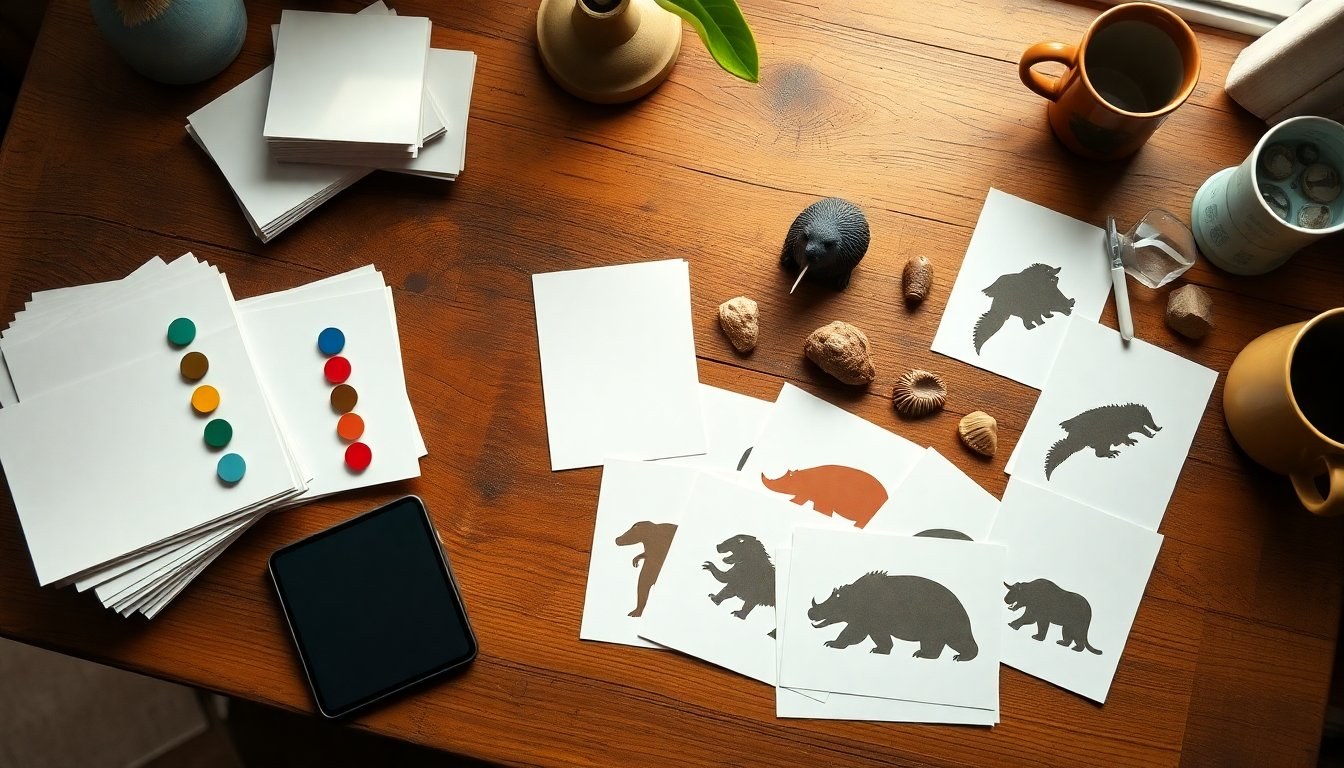
The internet loves a good personality test, and this playful entry invites readers to answer a few questions to discover which extinct lesbian animal best matches their energy. Framed as a lighthearted identity exercise, the quiz blends humor, pop culture awareness, and a dash of paleontological curiosity to produce results like the Giant Beaver. The short format is designed for quick engagement: a series of multiple-choice prompts that map personality traits to animal archetypes. For clarity, the term quiz in this piece refers to a casual, nonclinical set of questions intended for entertainment rather than scientific diagnosis.
Originally published on Autostraddle and timestamped 10/05/2026 12:46, the quiz taps into communities that appreciate both queer representation and playful self-mapping. These kinds of features function as more than just time-fillers; they offer readers a way to riff on identity without heavy commitments. The word archetype is used here to describe broad personality categories rather than rigid labels, and the outcomes are meant to be approached with a wink and an open mind. Results such as the Giant Beaver are deliberately vivid to spark conversation and sharing.
How the quiz translates personality into prehistoric pals
The quiz works by linking respondent choices to a set of predefined archetypes that represent different approaches to life, community, and relationships. Each answer nudges a score toward traits like boldness, nurturing, independence, or communal inclination, and those scores then map to an animal persona. The process is intentionally simple: there are no invasive questions, and results are compact descriptions that highlight a few salient characteristics. Terms like identity play and result archetype appear in the explanation to emphasize that the outcomes are interpretive mirrors rather than literal statements about someone’s life. One result example, the Giant Beaver, is built to evoke images of resilience, craftsmanship, and an earthy kind of charisma.
Scoring, outcomes, and what each result means
Scoring in the quiz is a lightweight tallying method: choices correspond to categories and the dominant category determines the outcome. Each outcome includes a short personality snapshot, suggested playlists or reads, and a playful explanation of why that extinct creature fits the score. The label Giant Beaver is accompanied by imagery and descriptors—such as industriousness, territorial loyalty, and a tendency to leave a memorable impression—so players can laugh and nod rather than take the tag as a strict identity. Using descriptive keywords inside the results helps readers quickly grasp the intended vibe, while keeping the overall tone celebratory and irreverent.
Why these quizzes matter in community spaces
Beyond entertainment, quizzes like this one play a role in community building and cultural dialogue. They provide a low-stakes way for people to express affinity, share inside jokes, and experiment with identity language. In queer spaces especially, playful classifications—such as an extinct lesbian animal result—can become shorthand for personality types or social roles that resonate with members. The idea of an extinct animal as a metaphor invites reflection on legacy, visibility, and the humor that helps communities cope with marginalization. By design, the quiz encourages sharing of results as conversation starters rather than definitive portraits.
Where to take it and how to share results respectfully
If you want to try the quiz, the original piece appeared on Autostraddle with the publication time of 10/05/2026 12:46, and you can find it through that outlet. When sharing your outcome on social media, consider adding context—a line about why the result felt accurate or a playful caption—so the exchange becomes communal rather than performative. Practicing respectful sharing also means acknowledging that not everyone enjoys being labeled, even jokingly, and to keep the conversation inclusive. Using light-hearted self-identification as a starting point for connection makes the quiz more fun for everyone involved.


