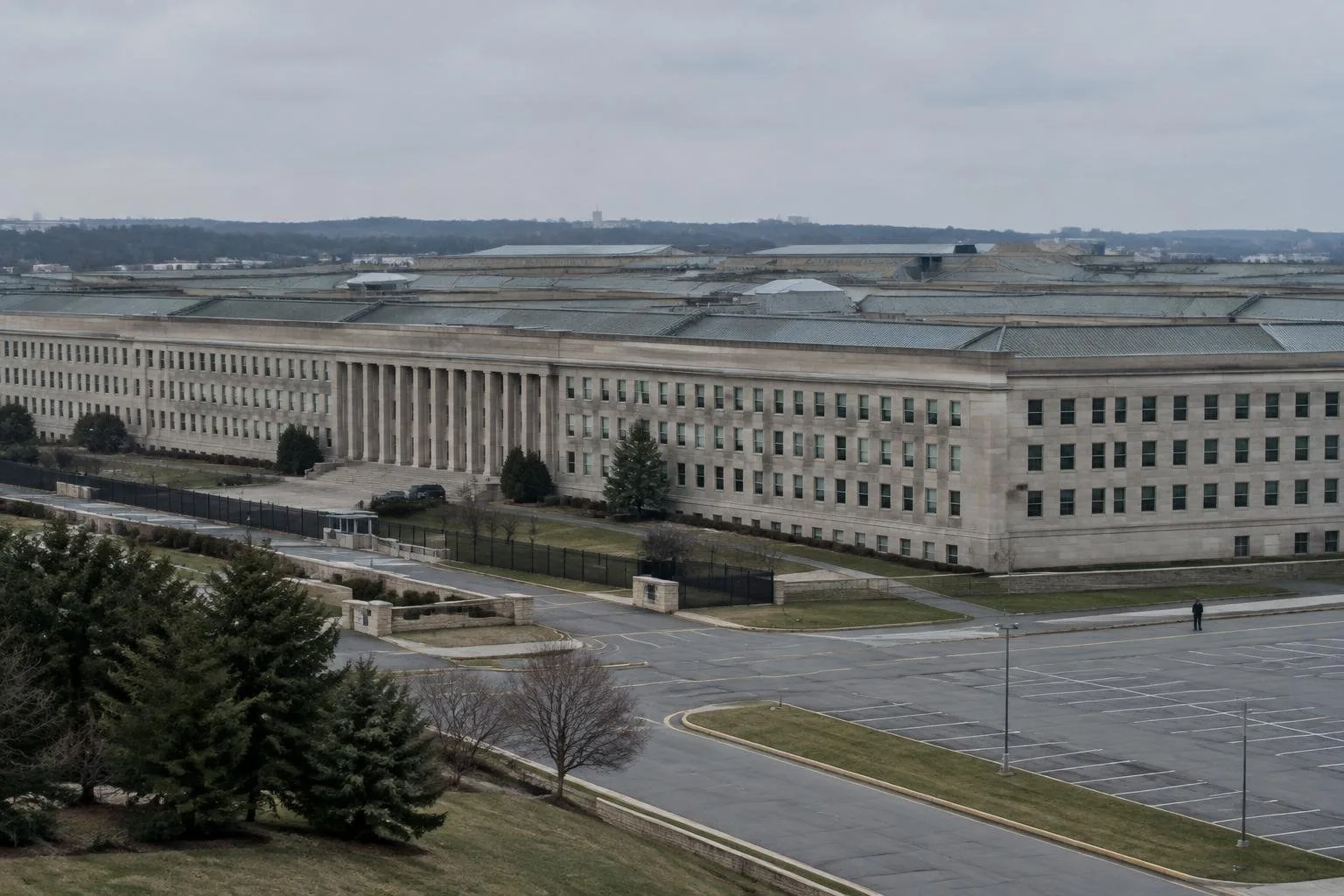
The outgoing House and Senate have reconvened for a short but potentially eventful lame-duck session. Members who lost races, retired, or pursued other offices remain empowered to pass legislation and force floor votes. Two developments are already front and center: a privileged impeachment resolution targeting Secretary of Defense Pete Hegseth and a looming funding deadline that could put spending and war policy on the table.
This window of work is constrained in time and attendance. Many lawmakers ending their tenures may not show up for votes, creating a fluid arithmetic where a handful of absences or defections can determine outcomes. Leadership races in both parties add another layer of uncertainty as Republicans choose new House leaders and Democrats prepare to take majority control in January.
Impeachment resolution against Secretary Pete Hegseth
Rep. Thomas Massie has filed a privileged resolution to impeach Secretary Pete Hegseth, which under House rules moves quickly to a floor vote unless leadership delays by adjournment. The measure accuses Hegseth of executive overreach related to the ongoing Iran conflict. Because it is privileged, it sits at the front of the calendar and could be voted on within days unless Republicans engineer another recess or procedural stall.
If the House adopts the resolution, it would send articles to the Senate and trigger an impeachment trial. While conviction is unlikely given the supermajority threshold in the Senate, even a trial during the lame-duck could dominate floor time and complicate other urgent business. Democratic leaders have signaled strong support for moves that would constrain the Iran war, and a small number of Republican defections would be sufficient to pass the House resolution given the present margins.
Political implications and White House stakes
An impeachment push against a presidential appointee places the White House in a difficult position. The president has publicly indicated a desire to keep Hegseth, while some senior Republicans privately attribute midterm setbacks to the administration’s handling of the conflict. An impeachment vote could force the president to decide whether to mount a robust defense of Hegseth or to distance the administration to avoid prolonged partisan spectacle.
Funding deadline and appropriations pressure
A separate but connected pressure point is the December 11 deadline to extend or replace the current stopgap funding measure, which was enacted to keep the government operating past the midterm elections. Negotiations before the election failed to bridge familiar divides over Defense versus non-Defense spending levels, and rhetoric about a large Defense increase has worsened tensions.
Senators can block appropriations via filibuster, and incoming Democratic control of both chambers makes funding fights especially fraught. Key House Democrats have publicly said they will not bankroll an expanded war effort with Iran, suggesting they may use appropriations leverage to press for limits on military action and associated expenditures. Appropriators generally loathe shutdowns, but lawmakers also face pressure from constituents and activists to take a firm stand now rather than defer to the new Congress in January.
How the deadline could shape policy
Three outcomes are plausible: passage of a short continuing resolution to buy time, a full appropriations package negotiated in the lame-duck, or a standoff that carries consequences into the incoming Congress. A short extension would preserve federal operations and postpone the fight until the new majority is sworn in; a larger funding bill could lock in policy preferences now; a shutdown would create immediate hardship for federal employees and intensify political conflict.
Leadership contests and chamber dynamics
House Republicans are choosing new leadership this week, with the race between established figures and more combative conservatives serving as a signal of the conference’s next posture. The winner will influence whether the GOP tries to cooperate on orderly transitions and routine business or leans into obstruction of the incoming Democratic majority.
Meanwhile, Democrats are organizing their incoming majority and will have enhanced leverage over appropriations and oversight come January. Outgoing members and those defeated in primaries can nonetheless be decisive in close votes during the lame-duck, because attendance and margins are unpredictable.
Freshman orientation and turnover
Newly elected representatives and senators are already attending orientation sessions ahead of the new Congress. The House is due to welcome one of its largest freshman classes in recent memory, and at least a dozen senators are departing, increasing turnover in the upper chamber. That turnover affects strategic calculations now: some incumbents may be less inclined to stick around for contentious votes, while others may use their remaining time to force issues leadership has avoided.
The short lame-duck period presents a concentrated test of congressional priorities. With an impeachment resolution against a cabinet secretary, a critical funding deadline, and leadership contests all unfolding simultaneously, the final legislative days before the new Congress will be watched closely for both immediate policy consequences and signs of how each party intends to wield power next year.