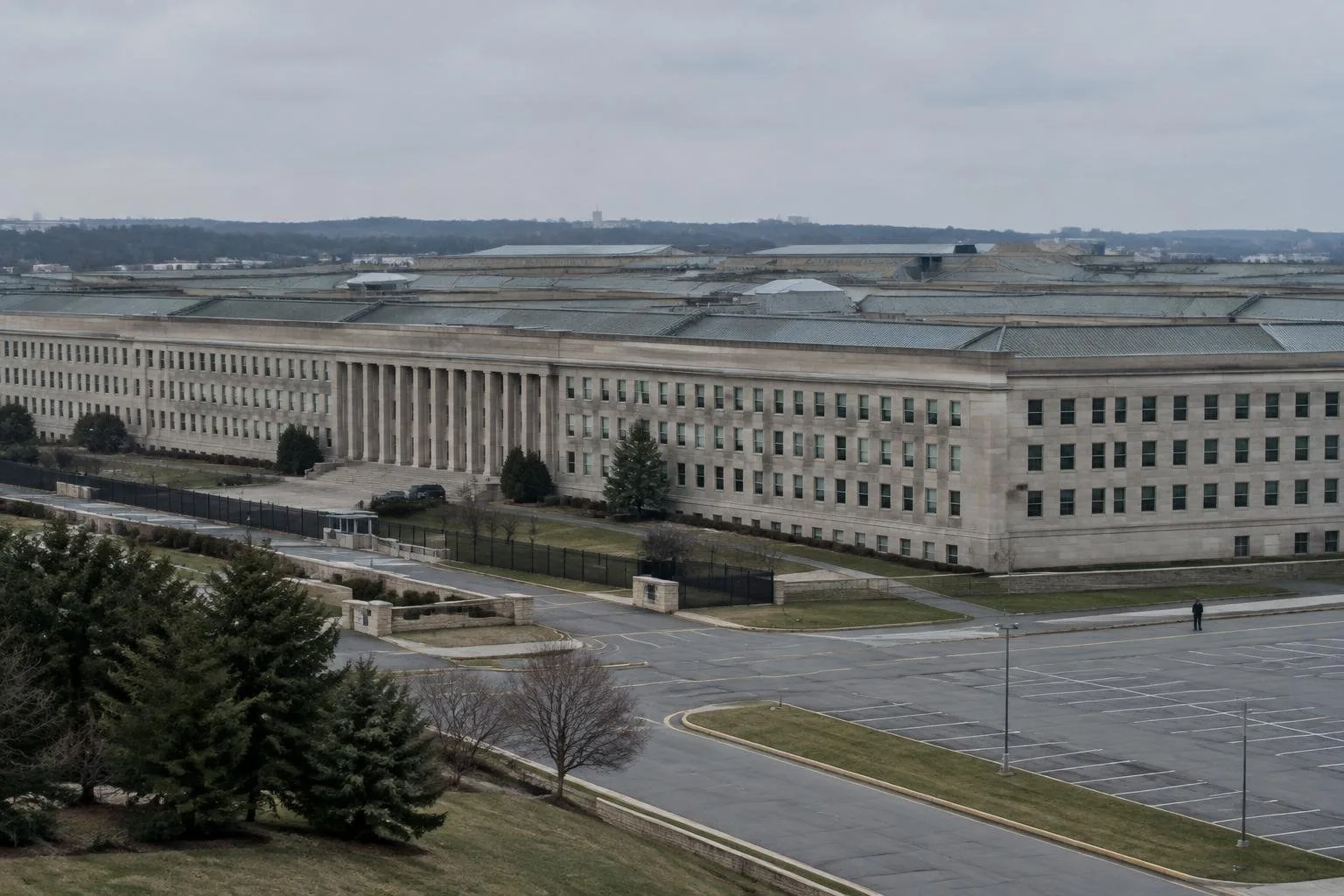
On Tuesday morning the Pentagon’s briefing room filled with cameras as Defense Secretary Pete Hegseth attempted to seal his political standing. The former television host, whose tenure has been marked by a focus on who “deserves” to serve, used the appearance to push back against a looming impeachment effort and to rally congressional allies.
His remarks came just days after Rep. Thomas Massie of Kentucky resurrected eight articles of impeachment on Monday, alleging that the secretary authorized warfare without proper authorization, ordered unlawful killings, and retaliated against critics. The House began to consider the resolution late Tuesday, with a procedural vote slated for the evening and a possible final vote on Wednesday.
Massie’s impeachment agenda and the procedural timeline
Massie’s filing lists eight distinct charges, ranging from violations of the War Powers Resolution in Iran to lethal attacks on suspected drug traffickers in the Caribbean. The articles also accuse Hegseth of ignoring statutes designed to protect civilian lives and of targeting Democratic Senator Mark Kelly after the senator questioned the legality of certain orders. If the House proceeds, the articles will first need a simple majority to advance, followed by a full Senate trial where conviction requires a two-thirds vote.
Massie introduced the measures on Monday, describing them as a response to “unauthorized warfare, unlawful killings, and retaliation against a political critic.” The Republican-led House leadership has signaled an intent to block the effort, but several sources suggest that a procedural vote on Tuesday night could clear the path for a full debate. Should the resolution survive the House, the Senate would schedule a trial, where removal hinges on a supermajority.
While the impeachment drive focuses on military operations in Iran, Venezuela, Yemen, and against drug cartels, it also reflects broader partisan tension. The articles cite the president’s role, noting that President Donald Trump issued the original directives that Hegseth then carried out. Critics argue the secretary is using the president’s name to shield himself, whereas supporters claim the chain of command places ultimate responsibility on the commander-in-chief.
Hegseth’s defense and congressional outreach
During the Tuesday news conference, Hegseth dismissed the seriousness of the accusations, declaring, “These are not high crimes, this is the job, and it’s the job well done.” He framed the scrutiny as an attack on the troops, asserting that the operations have been successful and that the military is stronger than ever. The secretary also claimed to have been in contact with many members of Congress, saying, “We’ve been in touch with a lot of members, there’s a ton of support.”
Hegseth placed President Trump at the beginning of the decision-making chain, stating that the campaigns against Iran, the cartels, Venezuela, and Yemen were “ordered by the commander in chief, then ordered by myself.” By tying his actions to the former president, Hegseth hopes to shield himself from personal liability while rallying loyalist lawmakers. He also issued a stark warning: “Put the secretary on trial today and the men and women who carried out those orders tomorrow. If they want to come for the warriors, they’re going to have to come through me.” The declaration underscores his intent to position himself as the protector of service members.
Transgender ban controversy and judicial pressure
Beyond the impeachment saga, Hegseth re-asserted his stance on transgender service members during a Thursday video, claiming that “being trans is a mental illness incompatible with military service.” This view conflicts directly with the American Psychiatric Association, which states that transgender identity is not a psychiatric diagnosis. The statement sparked renewed legal challenges, and U.S. District Judge Ana Reyes ordered Hegseth to respond in writing to a set of questions about the ban. Reyes warned that failure to provide adequate answers could lead to a deposition, noting that the secretary still finds time to post videos and tweet.
The judge’s order highlights the growing judicial scrutiny of the administration’s policy. While Reyes acknowledged the demanding schedule of a defense secretary, she emphasized that the questions are crucial for determining whether the ban violates constitutional protections. The controversy is set to receive additional attention from Rep. Robert Garcia, a Democratic member poised to chair the House Oversight Committee in January, who has pledged to examine the treatment of transgender Americans within the Pentagon.