
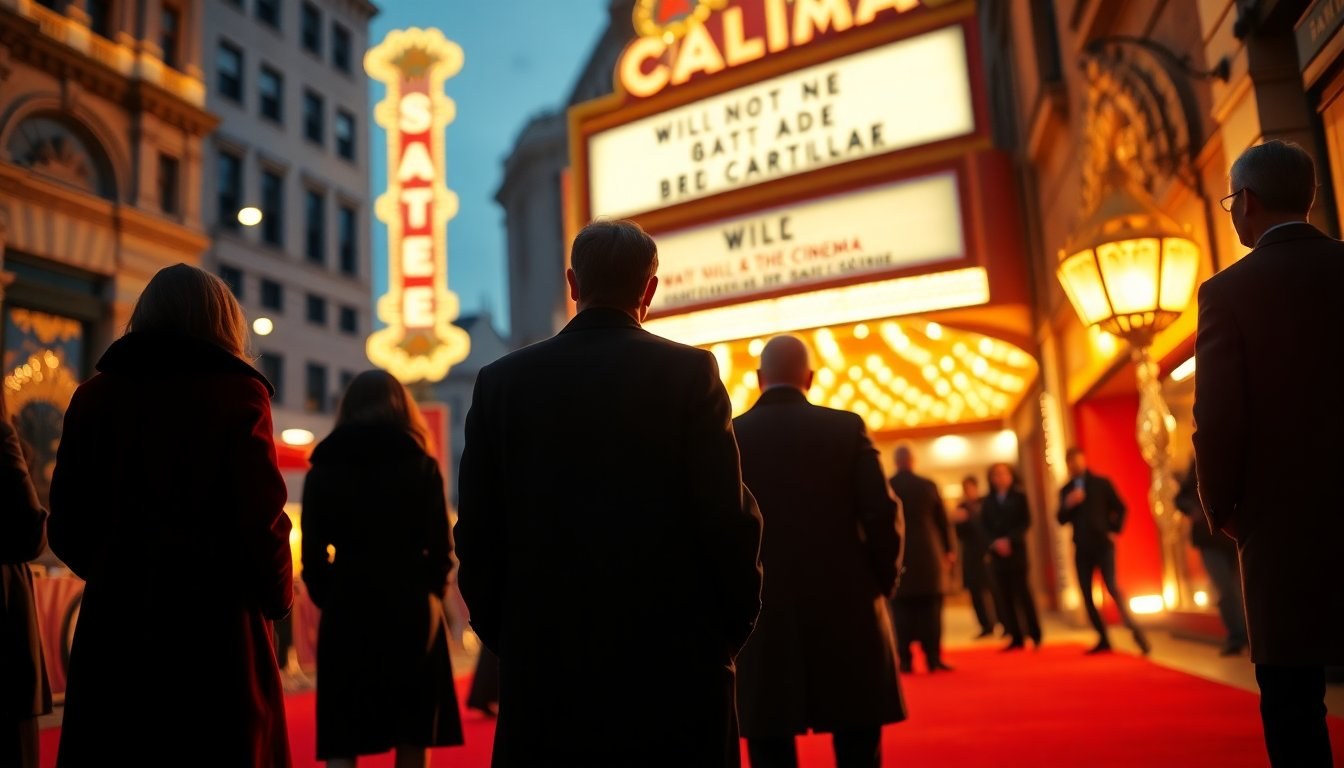
The arrival of The Devil Wears Prada 2 in theaters has produced an unusually enthusiastic response from viewers and commentators. Early audience reactions celebrated returning performances from Meryl Streep and Anne Hathaway, remembered supporting turns like Stanley Tucci’s, and applauded the film’s high-fashion spectacle. Outlets and social platforms lit up as fans shared emotional and comedic takes, and coverage noted a strong opening reception. For reference, an article on Out.com recorded its coverage with the timestamp 01/05/2026 21:17, reflecting immediate fan chatter the day the sequel opened.
At the same time, critics and columnists have used the sequel to reflect on broader cultural shifts. Some writers applaud the movie’s updated treatment of body image and workplace sensitivity, while others have seized on the casting of Patrick Brammall as a focal point for debate. Slate’s analysis, published May 02, 2026 11:00 AM, explored how audience expectations around a leading woman’s romantic partner intersect with persistent online habits of ranking appearances and worth.
Why audiences are so pleased
Many viewers say the sequel accomplishes what few follow-ups do: it both honors the original and adds new layers. Positive notices point to the chemistry between established stars and the film’s visual polish, with some observers claiming it surpasses the 2006 original. Social networks — notably X (formerly Twitter) — filled with posts praising the cast’s looks and the film’s emotional beats, and early aggregator scores on Rotten Tomatoes backed a strong critical reception. That momentum appears to be feeding a larger cultural moment in which a beloved property returns and, in the view of many, improves upon its legacy.
Fan reactions and cultural impact
Viewers described feeling buoyed by the film amid a difficult entertainment year, saying the sequel provided comfort and style-driven escapism. Online comments mixed humor and sincerity, celebrating moments that resonated for longtime fans while introducing fresh storylines. The buzz highlights how a movie with a fashion-media backbone can become a communal experience, where iconic lines, costume choices, and character arcs provoke both laughter and nostalgia. For many, the film functions as reassurance: a reminder that familiar characters can evolve while still delivering the elements that made them meaningful.
The controversy over a romantic lead
Not all responses were positive. A notable strand of commentary focused on Patrick Brammall, who plays Andy’s new love interest. Critics argued that discussion about his suitability often descended into conversations about looks, wealth, and status — a pattern some observers find troubling. Slate’s piece questioned whether online reactions reveal lingering superficial impulses, noting how people frequently evaluate male partners of high-profile women through a narrow and sometimes punitive lens. That debate reopened old discussions about the industry’s tendency to write men’s romantic roles thinly in service of female-centered plots.
Why the argument matters
This argument matters because it touches on how pop culture judges relationships and success. The original film’s romantic subplot with a character named Nate has long been reinterpreted by fans, sometimes unfairly, as evidence of shifting career trajectories. In the sequel, the presence of a quietly written boyfriend role raises questions about intent: was the casting a deliberate commentary on decentering men, or simply a choice of a likable actor who contrasts with Hathaway’s star power? Either way, the flap illustrates how audiences still parse casting choices as moral or cultural statements.
The film’s take on journalism and workplace themes
Beyond fashion and romance, reviewers have noted the sequel’s interest in media change. Mashable’s review on May 1, 2026 emphasized that the movie treats journalism as a profession that still matters, updating the satire to reflect twenty years of industry shifts. Plot elements include an assistant tasked with moderating Miranda Priestly’s language in real time to avoid human resources problems, signaling how workplace norms and public accountability have evolved. Those scenes prompted conversations about how institutions, media, and culture have negotiated offense, critique, and responsibility since the first film.
Final takeaways
In the end, The Devil Wears Prada 2 has done more than revive a franchise: it became a mirror for contemporary tastes and anxieties. Fans responded with enthusiasm and relief, critics offered nuanced takes on casting and theme, and commentators used the sequel to debate lasting cultural habits like facecard-centric praise and the online policing of attractiveness. Whether viewers see it as a joyful upgrade or a text for deeper critique, the sequel has reopened conversations about fashion, media, and how we judge the people who orbit our favorite stars.


