
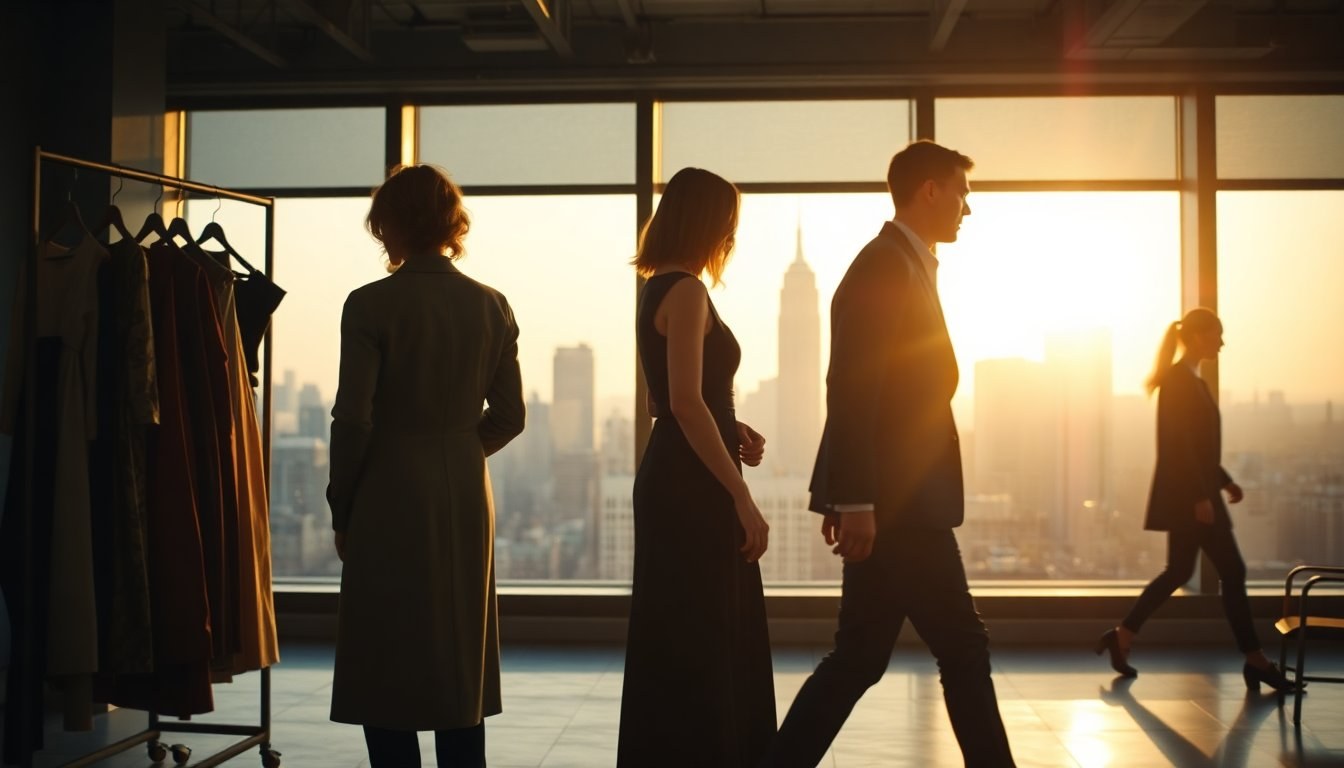
The return of The Devil Wears Prada 2 feels both familiar and newly urgent. Released on May 1, 2026, the film reunites the original ensemble and drops them into a media ecosystem very different from the one they left two decades ago. For longtime fans the movie delivers the expected high-fashion spectacle and razor-sharp performances from Meryl Streep, Anne Hathaway, Stanley Tucci, and Emily Blunt. At the same time it tries to speak to contemporary anxieties about the future of journalism and the cultural footprint of the fashion industry.
Audience reaction has been immediate and enthusiastic: social posts on X (formerly Twitter) and early aggregator scores suggested a wave of affection that, for many viewers, rivals the original. Industry attention has followed, with the cast making notable appearances at recent fashion weeks and a high-profile interview with Gayle King on CBS Mornings. These moments reinforced that the film is not only a cinematic event but also a conversation about who—and what—gets to set cultural taste today.
How the sequel balances homage and update
Legacy continuations can easily slip into nostalgia or needless reinvention; this film navigates both by respecting the tone that made the first picture resonate while introducing new stakes. The screenplay by Aline Brosh McKenna avoids heavy-handed references to ephemeral trends and instead engages with the lasting problem of dwindling newsroom resources. The plot begins with Andy Sachs being abruptly dismissed from The New York Vanguard by text, then going viral after an impassioned acceptance speech at an awards ceremony. That viral moment draws her back into the orbit of Runway, where a small but consequential scandal involving praise for fast fashion forces difficult choices.
Defining terms and tone
The film leans on the concept of a legacy sequel—a project that continues a beloved story years later—while using it as a lens to explore cultural change. The filmmakers treat Runway as both a fictional institution and a symbol of old-media authority, asking whether print and curated taste still matter in a fast-moving, digital-first world. This approach preserves the original’s satirical bite while allowing its characters to show growth and vulnerability.
Performances, fashion, and creative collaborators
At the center of the movie are performances that feel lived-in rather than merely imitative. Anne Hathaway anchors the emotional core as Andy, and Meryl Streep returns with the cool, commanding presence of Miranda Priestly. Stanley Tucci and Emily Blunt complete the core quartet, offering warmth and precise comic timing. New additions—such as Simone Ashley and Justin Theroux—add fresh dynamics without overshadowing the returning cast. The film’s visual identity, crafted by costume designer Molly Rogers and supported by couture pieces from designers like Dries Van Noten, keeps fashion at the foreground, making outfits a storytelling tool rather than mere ornamentation.
Industry reactions and promotional moments
The production tapped real-world fashion cachet: several haute couture pieces were flown in from Paris for key scenes, and cast members were welcomed into front rows at international fashion weeks. Publicity included a joint Vogue appearance that blurred fiction and reality, and a conversation with Gayle King that offered insight into the cast’s process and the pressure of reviving a cult favorite. These publicity choices signaled the film’s intent to be taken seriously by both cinema audiences and the fashion establishment.
Why audiences are responding and what it means
Many viewers have described the sequel as comforting in an unsettled year, praising its combination of glamour, humor, and emotional depth. Critics noted that the film succeeds by not trying to outdo the original but by deepening its relationships and updating its cultural frame. Technical contributions—like Florian Ballhaus’s cinematography, Theodore Shapiro’s score, and David Frankel’s direction—help the movie feel polished and contemporary. The runtime of 119 minutes, the PG-13 rating, and distribution through 20th Century Studios place it squarely in mainstream reach, while the production pedigree (including producer Wendy Finerman) underscores a careful stewardship of the franchise.
Whether the sequel surpasses the original is subjective, but its strengths are clear: it honors what made the first film memorable, brings back iconic performances, and frames its story around real cultural questions about taste, influence, and the sustainability of serious journalism. For fans and newcomers alike, The Devil Wears Prada 2 is a stylish, entertaining reminder that some stories continue to matter long after they first captured the public imagination.


