
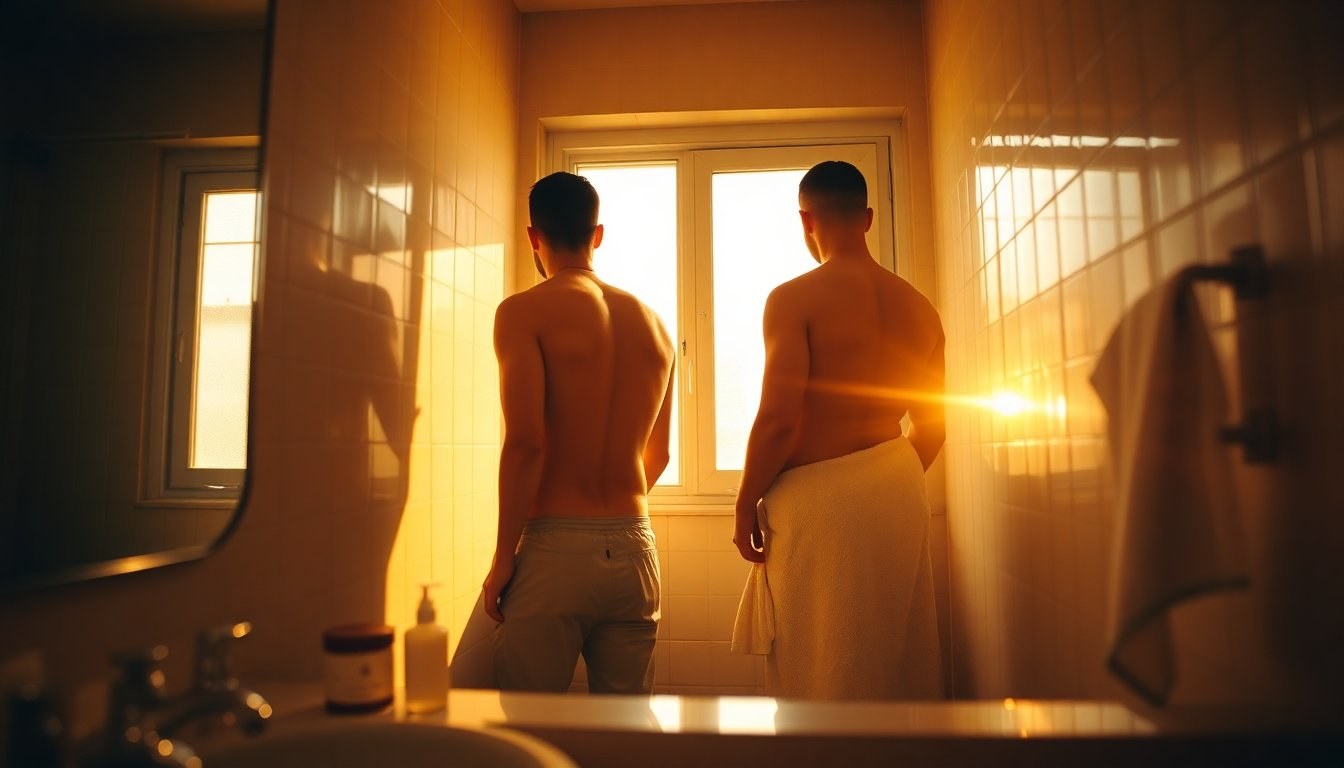
Conversations about male grooming have shifted from private routines to public debate. Online communities and fashion outlets have recently amplified the appeal of body hair, celebrating chest tufts, bushy underarms, and retro facial styles. At the same time, men who remove hair entirely are speaking up, saying that a cultural swing toward the “hairy” look can make them feel judged for their choices. This article examines both sides of the argument and explores why a simple grooming decision has become a flashpoint in contemporary masculine aesthetics.
The debate draws attention from mainstream and queer media alike—some platforms encourage men to “let it grow,” while others note a resurgence of classic masculine grooming tropes. Those who shave cite reasons ranging from tactile pleasure to athletic presentation, while advocates of natural hair point to authenticity and changing beauty norms. The conversation is as much about personal preference as it is about consent and etiquette: how do we champion new trends without creating a new kind of shame for those who choose differently?
Why some men prefer a hairless look
Sensory and aesthetic factors often guide the decision to shave. For many, the absence of hair increases tactile sensitivity—the skin feels more responsive to touch and temperature, which can heighten intimacy. Visually, a smooth chest can make muscle definition more apparent, helping to showcase fitness results and create a streamlined silhouette. Those motivations are practical as much as personal: a clean surface can appear fresher in photos, under lights at clubs, or in everyday clothing.
Sensory and appearance advantages
Beyond appearance, smoothness can change the way people experience physical contact. Some men describe a heightened sensation during caresses and kisses, while others appreciate the reduced friction when clothing moves against skin. A hairless torso or shaved armpits can also present a polished image—tight tees and tank tops sit differently, and the absence of visible hair may give a perceived younger look. In short, shaving can be a deliberate aesthetic choice tied to how someone wants to be seen and felt.
Practical hygiene and maintenance
Practical concerns also drive grooming choices. Trimming armpit hair, for example, is commonly promoted as a way to reduce body odor by limiting areas where sweat and bacteria accumulate. Some men cite easier post-sex cleanup and less lint or stray strands around the home. Popular hair-removal methods like waxing, laser, and sugaring—a sugar-based alternative to waxing—are often discussed in this context; the latter is described by many as less painful and longer lasting. These are not just vanity decisions but lifestyle preferences tied to comfort and convenience.
Why body hair is enjoying a comeback
On the flip side, there is a pronounced cultural push to reclaim natural hair on men. Fashion magazines and queer outlets have pointed out that chest hair and fuller armpits are back in vogue, framed as part of a broader acceptance of varied masculine expressions. For many, a hairy look signals ruggedness, maturity, or personal authenticity. Communities that once prioritized a clean-shaven ideal are now celebrating diversity in body presentation, which feels liberating to those who prefer to keep their hair.
Cultural context and respect
Yet even as body hair gains visibility, tensions arise when enthusiasm tips into prescriptive attitudes. Some smooth men report feeling dismissed or fetishized, while hairy individuals sometimes get judged by people who dislike excessive grooming. Observers stress that preference does not equal moral superiority—respect and consent are the cornerstone of any healthy cultural shift. Encouraging people to embrace hair should not equate to pressuring others to abandon their chosen routines.
Finding a middle ground
The most constructive takeaway is a call for mutual respect. Grooming is a form of self-expression: whether someone opts for a full mane, a carefully trimmed look, or total removal, the choice reflects personal taste, comfort, and identity. Conversations in clubs, apps, and social feeds should emphasize boundaries and curiosity rather than judgment. Simple etiquette—asking about preferences, refraining from derogatory comments, and celebrating diversity—can keep trends from becoming exclusionary.
Ultimately, confidence tends to be the most attractive quality regardless of hair status. Some people will always prefer the tactile and visual impact of shaved skin, while others will gravitate toward a hairier aesthetic. Celebrating both options, and understanding the practical reasons behind each, helps create a more inclusive culture where grooming is about individual comfort, not conformity to the latest trend.


