
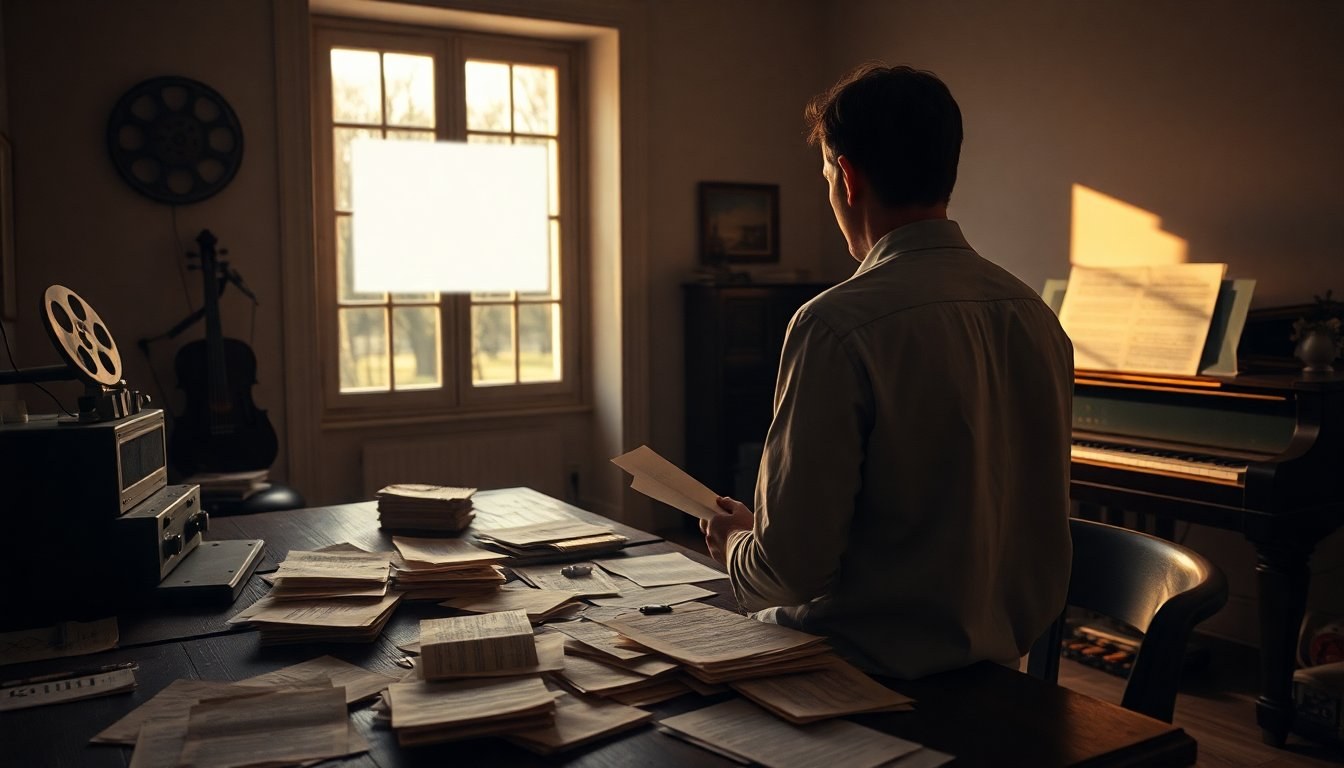
The recent documentary Bernstein’s Wall reexamines the life and work of Leonard Bernstein using a trove of archival interviews, home movies, performance footage and private letters. The film, directed by Douglas Tirola, layers Bernstein’s recorded voice with documents that illuminate both his public triumphs and private struggles. Viewers familiar with Bradley Cooper’s film Maestro may remember the debates about casting and physical transformation, but Bernstein’s Wall pivots to the composer’s own words, bringing into focus intimate exchanges that complicate the usual narrative.
Those exchanges include correspondence with Bernstein’s wife, Felicia Montealegre, who appears in surviving letters to have been aware of his same‑sex attractions and negotiated their marriage with a mix of care and realism. The documentary also highlights letters between Bernstein and the older composer Aaron Copland, a figure often described as Bernstein’s closest professional confidante. Together, these documents open questions about affection, desire and discretion in an era when public exposure carried serious consequences.
The letters that changed the story
Among the materials presented, several notes from Bernstein to Copland read as more than purely professional correspondence. In them Bernstein expresses a deep yearning for closeness and admits to a desire that merges emotional dependence with erotic longing. The film presents these pages without forcing a definitive answer about whether a sexual relationship actually took place, but the tone and choice of language leave little doubt that Bernstein felt intense attraction. The documentary treats the letters as evidence of a multifaceted bond—part artistic mentorship, part emotional refuge—and frames that bond against the composer’s broader personal life.
How Copland responded
Copland’s replies, also shown in the film, reveal discomfort with the written record itself. He cautioned that such letters would be dangerous if preserved, urging Bernstein to destroy them and warning of the damage a paper trail could cause later in life. That reaction underscores a distinct fear: not only of the feelings expressed, but of those feelings being documented and thus weaponized. The exchange therefore reads as much about self‑protection and career preservation as about mutual feeling, illustrating how public reputation and private desire intersected for artists of their generation.
Context: careers, surveillance and the mid‑century climate
To understand their caution, it helps to recall the political atmosphere that shaped artists’ choices. The documentary places these letters within the shadow of the Red Scare and anti‑communist investigations led by figures like Senator McCarthy and legal operators such as Roy Cohn. Copland himself was summoned to a private hearing in Washington about his overseas lectures and associations, which made him acutely aware of scrutiny. In that climate, being identified as gay could threaten appointments, audiences and funding, so discretion was not merely personal prudence but a professional survival tactic.
Personal lives behind public personas
Biographical accounts cited in the film indicate that Copland came to terms with his sexual identity early in life, even if he rarely spoke about it openly. He was known to travel with younger companions such as photographer Victor Kraft, and Bernstein maintained relationships with several men across his life, from clarinetist David Oppenheim to his assistant Tommy Cothran. Montealegre’s letters, as shown in the documentary, acknowledge Bernstein’s attractions while articulating the emotional compromises of their marriage. Together, these details sketch a community of artists who relied on one another for companionship and counsel while navigating societal limitations.
Legacy and where to see the film
Bernstein’s Wall first premiered in 2026 at the Tribeca Film Festival and has since been circulating in limited theatrical runs, including a presentation at Film Forum in New York City. The documentary does not resolve every question it raises, but it does invite viewers to consider how intimacy, mentorship and fame intertwined for two of the 20th century’s most visible American composers. For those curious about the full record, the film’s trailer and contextual materials offer a chance to see the original documents and hear the voices that defined the relationship.


