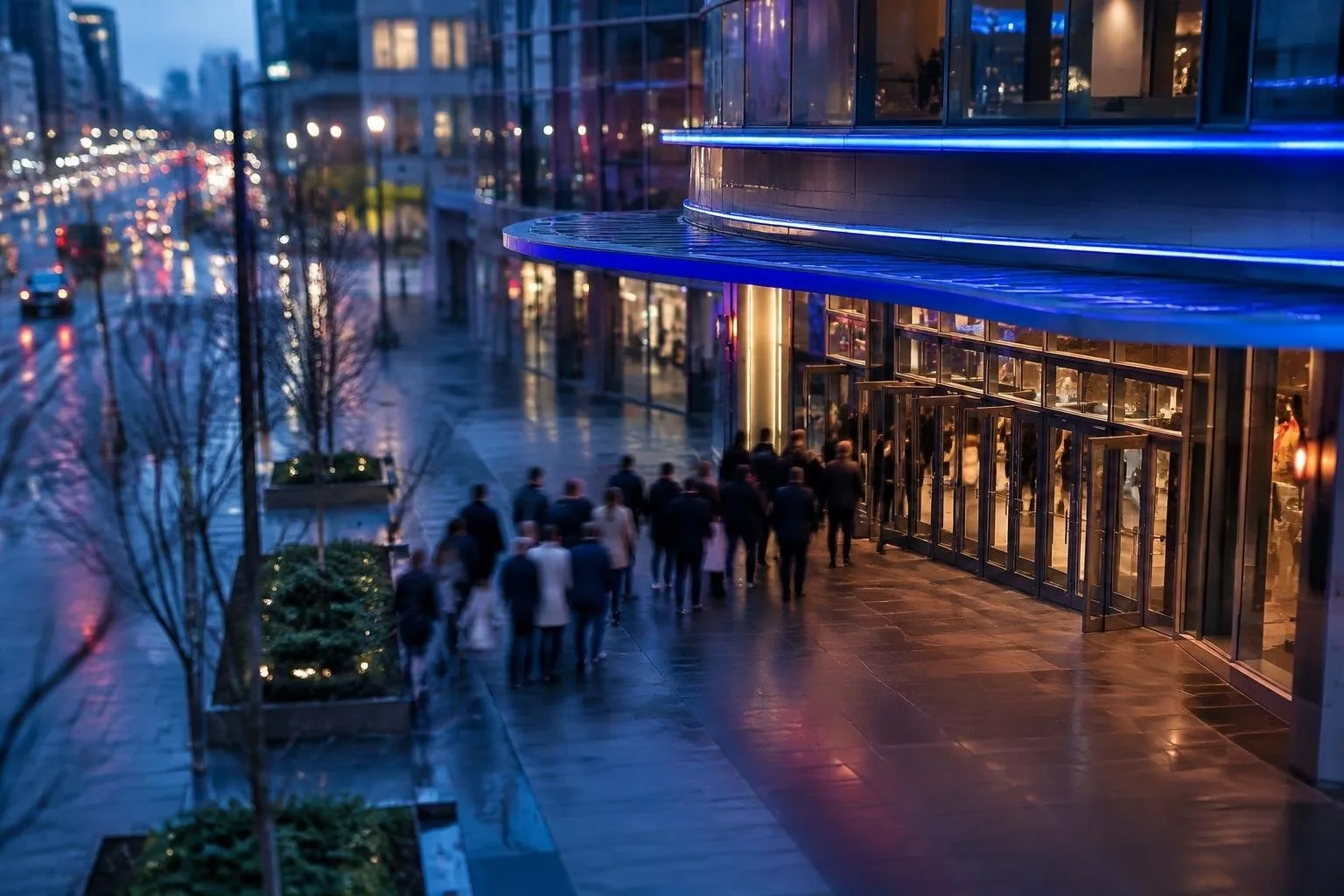
When a line of around 200 strangers filed into the Regal Times Square 4DX auditorium on a quiet Tuesday afternoon, none expected a ritual of thrusts and laughs. The venue, part of the Regal Unlimited network, offered more than a screen; it delivered a synchronized motion-chair experience that turned a low-budget romance into a shared physical spectacle.
The oddball premise of Wicker
Wicker follows a fisherwoman, portrayed by Olivia Colman, who is shunned by her village for being single and, humorously, “smelly.” In desperation she commissions a basket-weaver, played by Peter Dinklage, to craft a husband made entirely of wicker. The resulting man, embodied by Alexander Skarsgård, becomes the object of the community’s collective imagination during a brief, exuberant lovemaking scene. Characters are addressed only by their trades (Fisherwoman, Basket Weaver, Tailor’s Wife) adding a folkloric layer to the narrative.
How 4DX arrived on U.S. screens
The first encounter many cinema-goers have with motion-seat technology occurred abroad. In 2014, a traveler visited a 4DX venue in Bangkok during a showing of Dawn of the Planet of the Apes. Water sprays, seat tilts, and wind bursts mimicked jungle peril, feeling like a theme-park ride. That early exposure sparked curiosity about when the system would reach American theaters. Today, 4DX sits beside 3D, IMAX, Dolby Cinema, and other premium formats, though its gimmickry remains a point of debate.
Other movies that have tried the format
Beyond Wicker, only a handful of titles have leveraged the full 4DX toolkit. The 2014 Apes debut demonstrated splashing rain; the musical Wicked offered a soaring “Defying Gravity” sequence; and the storm-laden Twisters synced wind gusts with on-screen tornadoes, arguably the most faithful use of the technology. Each film attempted to justify the added cost, often over $20 on a “Value Day” ticket, by aligning physical effects with visual spectacle.
Audience reaction and the communal buzz
During the two-minute intimacy between the Fisherwoman and her wicker husband, the auditorium’s motorized chairs jolted, tilted, and vibrated in unison. The synchronized motion turned strangers into co-participants, prompting laughter, shrieks, and a shouted “COMMUNICATION!” from a seat a few rows back. That exclamation, lifted straight from a television sketch, summed up the moment: the collective body of the theater was literally communicating through the seat’s motions. Even patrons who paid the modest $20 ticket price admitted they came chiefly for the physical thrill, not the plot.
For many, especially queer viewers, the experience allowed a temporary inhabitation of the on-screen roles. The motion platform let a gay male audience member feel, albeit briefly, the same bodily sensations as the female protagonist, blurring the line between spectator and participant. The technology, while simple compared to a theme-park ride, created a fleeting sense of shared intimacy that standard cinemas rarely provide.
What the 4DX gimmick adds: and where it falls short
While the seat’s movements amplified the climactic love scene, they were sparingly used elsewhere. An opening sequence where the Fisherwoman discards a chamber pot triggered a brief water spray, offering a tongue-in-cheek nod to medieval hygiene. Outside those moments, the film’s narrative relied on dialogue and performances, leaving the motion effects feeling like occasional fireworks rather than a constant feature. Critics argue that 4DX is best reserved for high-budget spectacles; applying it to a modestly budgeted romance can feel forced, yet the communal reaction at Regal suggests the novelty still sells.
In retrospect, the Tuesday screening demonstrated how a niche technology can create a memorable cultural moment. Whether future releases will pair similarly eccentric stories with motion seats remains uncertain, but the appetite for tactile cinema experiences appears undiminished, especially among audiences seeking a blend of humor, sensuality, and a touch of physical theater.