
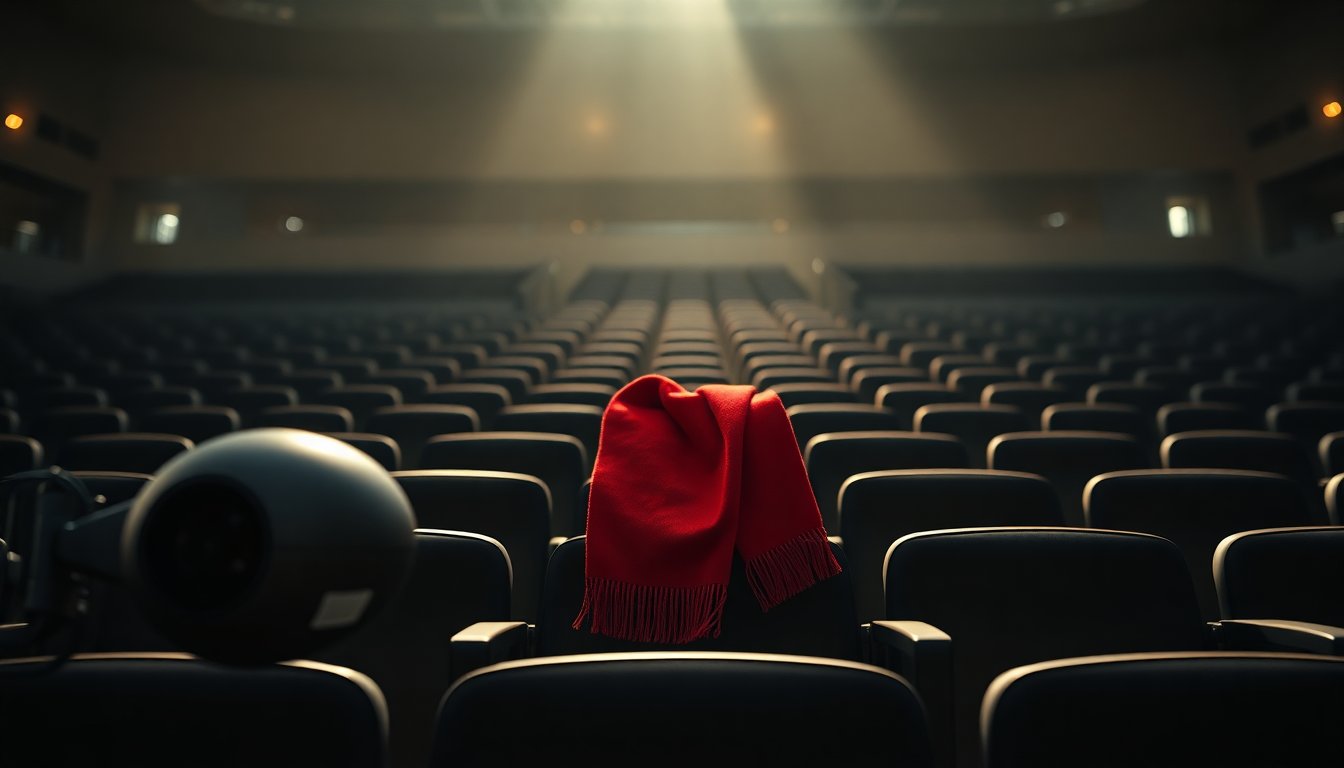
The story of a devoted spectator who stopped attending games at Madison Square Garden began as an ordinary fandom account and ended up illuminating a much larger system. Reporting from several outlets, building on internal documents and a 2026 lawsuit, describes how venue security allegedly compiled minute-by-minute records about one fan’s movements. At the center of the controversy is surveillance practice inside a major entertainment complex and the role of powerful executives like James Dolan, whose security teams have been described as unusually aggressive. Observers are calling this pattern a modern panopticon, meaning a regime of continuous visibility that shapes behavior by creating the sense of being constantly watched.
According to those accounts, the person identified in some coverage as Nina Richards (with other reporting noting that outlets used a pseudonym for privacy) was tracked across the arena by a private security apparatus led by John Eversole, MSG’s head of security. Sources and legal filings say the logs recorded interactions, movement between concourses, and even trips to restrooms. The allegation is that tracking was motivated by the fan’s gender identity, a claim the fan’s suit describes as discriminatory and the company has disputed. The situation raises urgent questions about how biometric and camera systems are deployed in spaces customers assume are safe for leisure.
How the tracking worked
Investigations describe an integrated network of cameras and databases that MSG staff used to monitor visitors in real time and retrospectively. Reports refer to long-standing use of facial recognition or similar matching tools since 2018, the creation of watch lists, and the inclusion of atypical entries such as a law-enforcement photo in a private database. Sources say the security operation functioned beyond typical crowd management, with employees acting as a private intelligence unit. The 2026 lawsuit by a former security team member helped reveal some of this infrastructure, saying the unit logged data down to exact timestamps and camera identifiers—turning a live event into a searchable record for later review.
Examples from inside the logs
Sample entries described in reporting show time-stamped notes that mapped someone’s path: moving between concourses, hugging an usher, ordering drinks at a bar, and visiting restrooms. Those entries illustrate how a combination of human observation and recorded footage produced a detailed chronology. The files allegedly flagged that the fan appeared on Pride Night in 2026 and later surfaced on internal alerts with a red background—an apparent marker for heightened scrutiny. Such detailed cataloguing of ordinary actions demonstrates how data collection can transform benign presence into a perceived risk when filtered through human bias.
Other incidents and company response
The fan’s case did not arise in isolation. Reporting and former employees have recounted episodes where people were denied entry or escorted out for reasons that critics describe as petty or retaliatory: a graphic designer barred after making shirts reading “Ban Dolan,” entire law firms locked out, and a parent turned away while trying to bring a child to a holiday show. Public confrontations, such as the 2017 ejection of Charles Oakley, have contributed to a reputation of zero tolerance for perceived critics. MSG and affiliated companies have contested some accounts, calling parts of the reporting inaccurate and indicating they are evaluating legal options—yet many former staffers describe a culture where security decisions are tightly tied to the owner’s sensitivities.
Legal and ethical stakes
The lawsuit connected to the fan alleges that a stalking claim was fabricated to justify a ban, and sources familiar with the documents told reporters they believed the allegation was a smear. After the ban, the fan withdrew from public platforms and removed social accounts, illustrating the chilling effect such surveillance can have on individuals. Civil rights advocates point out that when private entities operate expansive surveillance systems with little oversight, marginalized people—especially transgender people—are disproportionately at risk. The case therefore sits at the intersection of privacy law, discrimination protections, and corporate governance, with potential precedent for how courts treat similar conduct.
Broader implications for rights and privacy
Beyond a single ban, the episode spotlights the broader trend of corporations assembling private enforcement tools that mirror public policing: watch lists, biometric indexes, and coordinated security teams. Critics warn that without clear transparency and accountability, these systems can be repurposed to punish dissent or exclude vulnerable groups. Advocates are calling for stronger safeguards around biometric data, clearer policies on who gets added to watch lists, and independent oversight of private security operations. As litigation and reporting continue, the case will likely serve as a touchstone in debates about how to balance public safety inside private venues with fundamental rights to privacy and equal treatment.


