
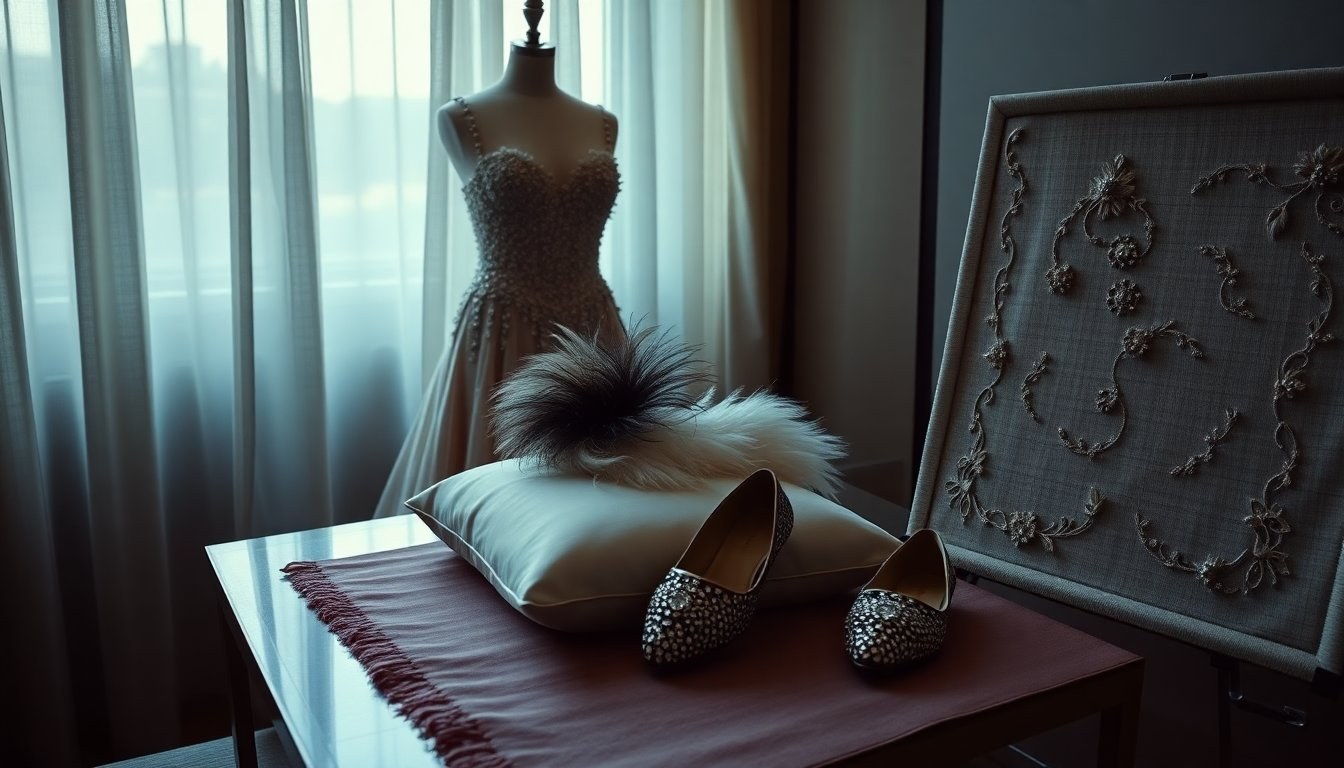
The annual Met Gala unfolded on May 4 with a clear center of gravity: queer creativity. On a night organized around the Costume Art exhibition, guests interpreted the event’s dress code—Fashion Is Art—in highly personal and theatrical ways. The result was an evening that mixed high craft, performance, and political friction; glamorous presentations sat alongside public debate about the event’s funding and the presence of its honorary chairs.
On the carpet one moment captured the mood. When model Alex Consani was asked how she stays relentlessly authentic, she laughed and offered a pragmatic bit of glamour: “Just put on a heel.” That simple, playful advice—uttered while she wore a feathery Gucci creation—summed up how many guests used clothing as both armor and expression. Throughout the night designers, stars, and stylistic collaborators translated the museum’s theme into garments that felt equal parts museum object and lived performance.
The looks that defined the night
Creativity across gender and sexuality dominated the visual ledger. Standouts included Alex Consani’s feathered Gucci gown, which married whimsy and precision; Colman Domingo’s exuberant patchwork in custom Valentino, which injected color into traditionally restrained menswear; and Luke Evans’ leather nod to Tom of Finland aesthetics that energized conversations online. Lux Pascal opted for an elegant off-white silhouette, and Ben Platt wore a suit by Tanner Fletcher printed with a reinterpretation of Georges Seurat’s A Sunday Afternoon on the Island of La Grande Jatte, underscoring the evening’s interest in literal art references.
Other arrivals reaffirmed the breadth of the guest list and the designer roster. Figures such as Hunter Schafer in Prada and Connor Storrie in a bicep-forward ensemble offered different takes on the same instruction: treat fashion as a canvas. The variety spoke to how LGBTQ+ communities have long cultivated dress as performance, turning the Met Gala into a stage where identity, craft, and spectacle intersect.
Context and controversy
The glamour of the red carpet coexisted with a louder civic conversation. The gala’s decision to include Amazon founder Jeff Bezos and Lauren Sánchez Bezos as honorary chairs—following a reported $10 million contribution—provoked immediate backlash. Critics flagged broader concerns about economic inequality, recent corporate politics and Amazon’s prior $1 million contribution to Donald Trump’s 2026 inauguration. That discontent raised the possibility of protests outside the Metropolitan Museum of Art, shifting some attention from couture to accountability.
Despite protests and debate, the event remained a major fundraising engine for the museum. Individual invitations cost $100,000, and table starting prices began at $350,000, with prior years like 2026 raising $31 million for the Costume Institute. Anna Wintour, who has overseen the gala since 1995, again guided the program alongside co-chairs including Nicole Kidman, Venus Williams and Beyoncé—making her first gala appearance since 2016—while Designers such as Thom Browne, Demna for Gucci, and Anthony Vaccarello of Saint Laurent lent creative gravitas to the night.
What the theme unlocked
The museum’s exhibition connection reframed outfits as moving artworks. The show previewed for guests before the dinner and will open to the public on May 10, running through Jan. 10, 2027. By anchoring the evening to the exhibition Costume Art, the organizers invited literal and conceptual approaches: some attendees referenced paintings and sculpture, while others used silhouette, texture, or implied narrative to make a point. Ben Platt’s painterly suit and other collage-like assemblies emphasized that clothing can be both art and a medium for storytelling.
Why the queer presence mattered
Queer attendees brought a kind of institutional knowledge about costume and transformation. For decades, LGBTQ+ communities have refined the practice of dressing as a form of self-making; at the Met Gala this history looked like bold ornamentation, gender play, and deliberate citation. The runway-to-carpet exchange reaffirmed that when a theme asks guests to treat fashion as high art, the community most practiced in play and disguise often supplies the evening’s most memorable answers.
Design notes and lasting impressions
Technical detail and collaboration drove many successes. Custom tailoring, hand-applied feathers, and painted textiles demonstrated how ateliers and artists fused craft and concept. The presence of globally known designers and rising names made the night feel simultaneously established and experimental. In short, the Met Gala’s 2026 carpet functioned as a temporary museum in motion: outfits read as exhibits, and the crowd read as a public conversation about what fashion can and should be.
Ultimately, the Met Gala produced images and debates that will circulate for weeks. Whether viewers focus on the showpieces—like Alex Consani’s Gucci gown or Colman Domingo’s Valentino patchwork—or on the larger questions about patronage and public responsibility, the night reinforced one clear point: fashion remains a powerful arena for expression, protest, and reinterpretation.


