
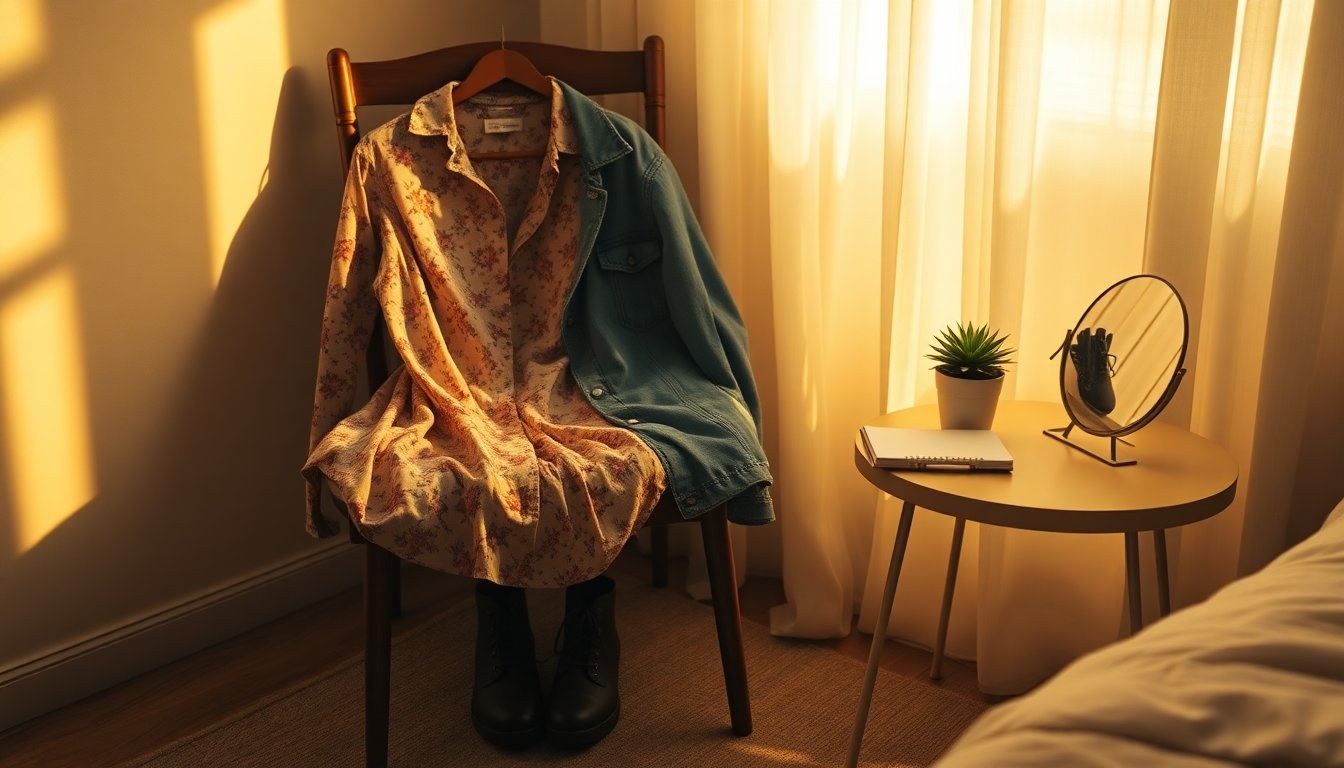
Raphael‘s question is familiar to many: you can use he/they pronouns, have called yourself a nonbinary transgender man for years, enjoy your body, and still feel unsettled when people address you as a man. That mix — being privately sure but publicly read as a cis woman, dressing in a feminine way, and being attracted primarily to men — creates a particular tension. In these circumstances non-dysphoric experiences (where a person does not feel distress about their body) are valid and common, and yet they can coexist with lingering doubts about whether one is “man enough” or truly belongs in a transmasculine identity.
Those doubts often begin when we encounter cultural scripts about gender. Online debates — like arguments about transmedicalist perspectives versus softer, more playful identities — can shape how someone understands themselves. Many people adopt interim labels as a way to explore identity safely: identifying as nonbinary first can be a way to bridge toward a more specific label later. That exploratory phase is understandable and sensible: self-labels provide shelter while you test how names, pronouns, and presentation feel in everyday life.
Why uncertainty about being a man is normal
Questioning your place within masculinity is a shared experience across the trans community. The pressure to match a narrow standard — a checklist of behaviors, dress, and affect — creates friction when your everyday expression is softer or more feminine. The fear you describe when someone calls you “sir” or the equivalent in another language often reflects anxiety about being forced into a set of expectations rather than a sign you lack legitimacy. That tension is produced by social norms: masculinity carries both toxic expectations and positive traits, and both can feel like obligations rather than choices when you are still shaping how you want to live.
What self-identification can do and where it falls short
At the core of this conversation is the principle that personal identity matters: declaring yourself a trans man is meaningful and protecting that right is essential, especially when safety concerns make coming out dangerous. Self-identification provides immediate validation and a pathway to build a life aligned with your inner sense of gender. Yet for many people, internal recognition alone does not erase the desire for outward affirmation — a legal document, medical changes, or social readjustments can provide additional alignment between your inner identity and how the world sees you.
Practical anchors that can help privately
If you want to feel more rooted in masculinity without making dramatic, public changes, there are subtle tactics that offer psychological grounding. Choosing a men’s or gender-neutral fragrance, switching to a different style of wallet, buying socks from a menswear section, or practicing introducing yourself with your chosen name can serve as quiet anchors. These small acts are not performances to prove anything to others; they are deliberate signals to your own brain that your identity matters. They can ease the gap between your private conviction and public experience without forcing you into harmful stereotypes.
Social recognition, masculinity, and letting go of gatekeeping
External validation can be comforting, but it is also shaped by cultural expectations that often impose a narrow view of what a man should be. Reclaiming the right to define your own masculinity means allowing traits like tenderness, fashion choices, or emotional openness to coexist with being a man. Ironically, worrying that you aren’t masculine enough is itself a familiar form of masculine anxiety — many people of all genders check themselves against those invisible standards.
Moving forward with agency
The clearest next step is to decide which standards matter to you. If stealth or medical transition feels right, pursue it when you are ready. If you prefer private affirmations, that is valid too. Reject gatekeeping that says only one path is real. Center your own sense of fulfillment: let self-identification be both a starting point and a compass, and choose discreet, non-toxic ways to inhabit masculinity if they help you feel whole. Doubt does not invalidate your identity; it is part of the process of shaping a life that fits you.


