
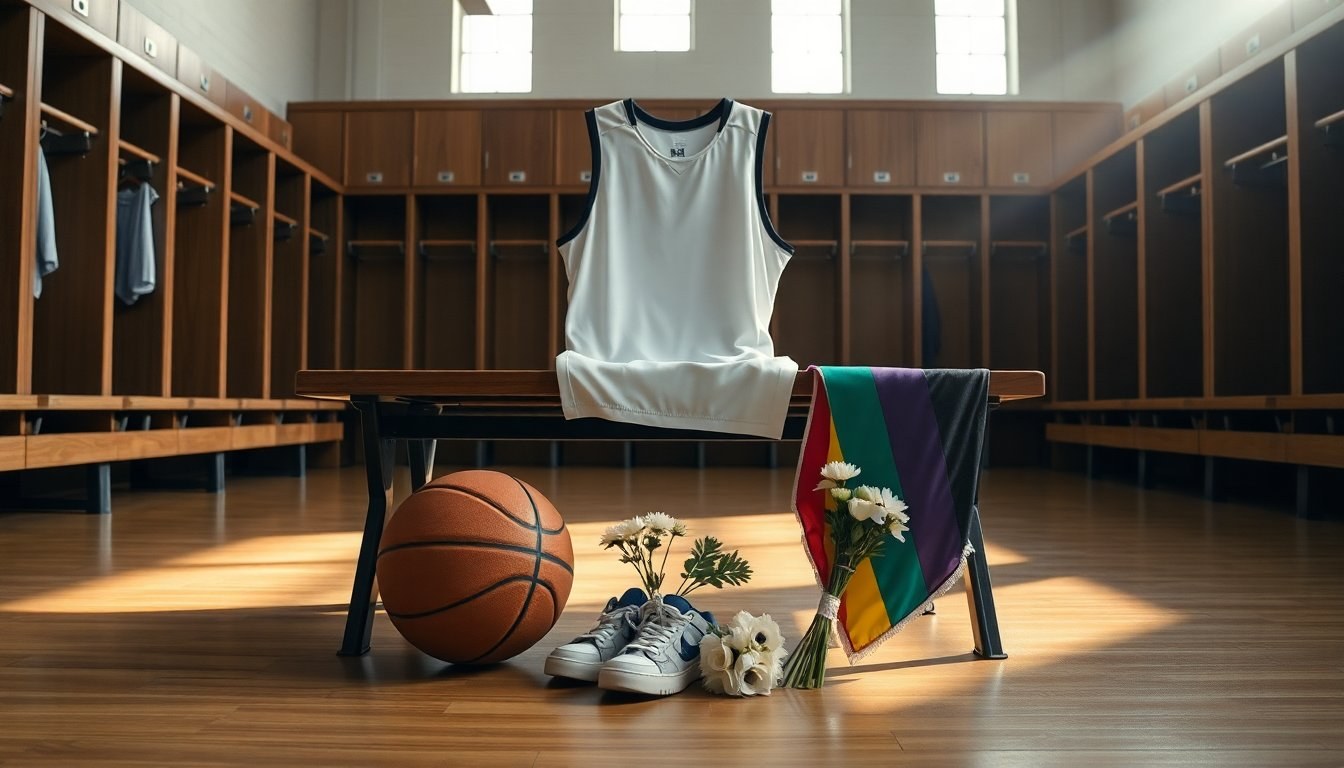
The sports world and LGBTQ+ community are mourning the loss of Jason Collins, who has died at 47 after an eight-month fight with glioblastoma. His family released a statement expressing gratitude for the care he received and for the outpouring of support, describing him as an inspiration to those who knew him personally and to fans who watched from afar. The announcement emphasized Collins’ role as both a player and a public figure whose courage altered public dialogue about sexuality and professional athletics. For many, his passing marks the end of a life that bridged on-court effort and off-court advocacy.
Collins’ public revelation in 2013 that he was gay remains a defining moment in sports history: he became the first active NBA player and one of the first active athletes in North America’s major professional leagues to come out publicly. That decision came toward the close of a 13-year playing career and was followed by efforts to remain visible and helpful to others. After retiring, Collins continued to work as an NBA Cares ambassador and as an advocate for inclusion, using his visibility to open doors for athletes who followed. His actions are now widely credited with making locker rooms and league outreach more accepting and informed.
Basketball career and notable achievements
On the court, Jason Collins built a steady career as a center across multiple franchises during 13 NBA seasons. A 2001 first-round pick, he spent substantial stretches with the New Jersey/Brooklyn Nets and also had stints with teams including Atlanta, Boston, Memphis, Minnesota and Washington. His role was typically as a physical, defensive-minded big man who contributed rebounds and interior presence; he helped the Nets reach two NBA Finals and produced his most productive season in 2004–05. Collins also left a collegiate mark at Stanford, where he set a school record for field-goal percentage, and his draft selection in 2001 launched a professional tenure that combined longevity with consistent team-first play.
Advocacy work and influence beyond basketball
Beyond stats and minutes, Collins is remembered for how he used his platform to champion equality. After publicly sharing his sexuality, he devoted himself to educational outreach and partnership with organizations focused on sport inclusion, such as Athlete Ally and the Human Rights Campaign. He participated in programs that taught incoming NBA players about allyship and the impact of language and policy on teammates’ well-being. In recognition of that work, his peers and advocates honored him with awards like the inaugural Bill Walton Global Champion Award, underscoring a legacy that combined athletic credibility with intentional activism.
Voices remembering his impact
Tributes poured in from civil rights groups and sports leaders, reflecting a broad consensus about Collins’ role in shifting attitudes. The Human Rights Campaign highlighted how his decision to come forward changed the conversation and urged continued work in his memory. GLAAD and advocacy organizations expressed solidarity with his family and praised his courage. Within the NBA community, commissioner Adam Silver and former teammates and coaches emphasized both his leadership and humanity. Those statements collectively reflect a recognition that Collins’ influence extended beyond individual accolades to institutional culture.
Personal life and family remembrances
Collins’ family shared intimate reflections, noting how he was a devoted husband, brother and uncle and thanking medical teams and supporters for their care. He is survived by his husband, Brunson Green, his parents and his twin brother, Jarron Collins, who accepted honors on Jason’s behalf in recent months and publicly described his brother as the bravest person he had known. That family bond—highlighted frequently throughout Collins’ life and career—was central to how he navigated both professional challenges and personal milestones. Loved ones emphasized that his impact will continue through the people and programs he helped shape.
Continuing the work he began
Those who knew Collins best have urged that his example be treated as a call to action: to carry on efforts to make sports safer, more welcoming and affirming for everyone. Advocates have pledged to build on his educational initiatives and the conversations he normalized about identity in athletics. As organizations and individuals reflect on his life, many have reiterated a commitment to the values he practiced—leadership, kindness and the courage to act publicly for change—ensuring that his influence remains in locker rooms, boardrooms and community programs long after his passing.


