
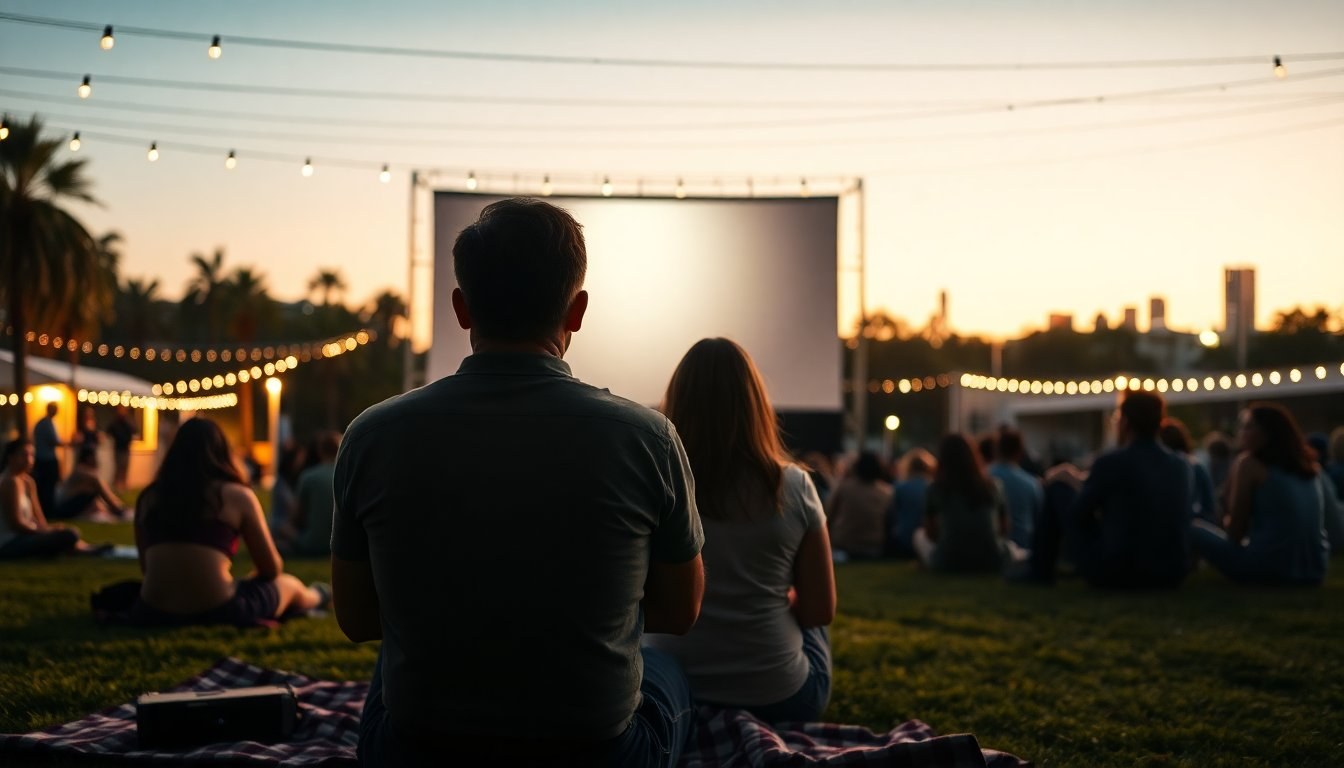
The outdoor screening of The Broken Hearts Club at West Hollywood Park served as both a reunion and a benefit, bringing together original cast members and the creative team ahead of the film showing on April 25. The evening, presented with support from Pride House LA and Street Food Cinema, bundled nostalgia with purpose: it marked a public commemoration of a movie that helped expand on-screen visibility for gay characters while channeling ticket proceeds toward sports- and community-focused programs.
Before the film began, a panel moderated by Jess Cagle featured actor Billy Porter, actor Zach Braff, writer-director Greg Berlanti and producer Mickey Liddell. Their conversation mixed lighthearted recollections with pointed reflections about why the picture still resonates. The screening was also a fundraiser for the Out Athlete Fund and Pride House, organizations working to create safe, inclusive spaces for LGBTQ athletes at major sporting events.
Stories from the set and candid moments
Onstage, cast members dug into on-set memories that revealed the film’s emotional texture. Billy Porter described the breakup scene for his character and the humorous yet pointed moment when the wrong music choices on a makeshift jukebox become part of a meltdown — a beat he said felt authentic because he had recently experienced a real-life professional slight involving a major pop star’s song. The panel also revisited tense exchanges between Porter’s character and Dean Cain’s role, prompting playful audience reactions and a recognition that time changes how some cast members are viewed publicly. Zach Braff reflected on stepping into a role like Benji early in his career, noting he was more focused on the script’s truth than on industry anxieties about straight actors playing gay parts.
How the cast remembers the film’s production
Greg Berlanti recounted the logistical challenge of filming quickly — he said the feature was completed in roughly 15 days — and how that compressed schedule kept the energy immediate. The movie’s path from shooting in late 1999 to screening at Sundance in January 2000 and then to theaters later in 2000 demonstrated how small productions could reach wider audiences. Panelists repeatedly acknowledged that many performers were at the start of their careers; names like Timothy Olyphant, Justin Theroux and Jennifer Coolidge, who appear in the cast, would go on to broader recognition. The film’s cultural footprint was underscored by awards and by the way it provided queer representation with nuance and warmth.
The screening’s role as a fundraiser and community hub
Organizers emphasized that the night was more than nostalgia: it was a deliberate effort to support Pride House LA ahead of major sporting moments on the horizon. Michael J. Ferrera of the Out Athlete Fund helped broker the partnership with Street Food Cinema, and the event’s proceeds are intended to bolster an initiative that will host fans and athletes during the World Cup and the 2028 Summer Games. The Pride House concept aims to offer both celebratory programming and practical services — a visible place where fans and competitors can gather in safety. For attendees, the evening began early: gates opened at 5:30 p.m., with the program starting at 7:30 p.m., at West Hollywood Park, 647 San Vicente Blvd.
From local fundraiser to global ambition
Speakers explained that the fundraising focus supports plans to stage a larger Pride House presence for the 2028 Olympics, including free daily access to the public and a mix of paid concerts and events to sustain operations. The city’s leadership publicly backed the concept as an affirmation of inclusion; municipal officials praised the idea of a centralized space where LGBTQ athletes and fans can experience major sports without exclusion. Attendees included current and former out athletes, reinforcing the link between the entertainment community and sports figures who now occupy more visible roles.
Why the film still matters
Watching the movie under the stars with the people who helped make it felt like a small cultural return: a reminder that representation can be both personal and structural. The panelists and audience agreed that the film was a milestone in showing gay friendships, a chosen family dynamic and even a recreational softball league as elements of everyday life rather than spectacle. That legacy, combined with the evening’s fundraising goals, positioned the screening as a bridge between memory and forward-looking activism — a celebration of where the conversation has been and where advocates hope it will go.
By the time the credits rolled, the night had woven together laughter, pointed anecdote and concrete support for future Pride House programming. For many in the crowd, the event underscored how a modest indie film can ripple outward — shaping careers, informing cultural conversations and helping fuel organizations that aim to make major sporting events more inclusive.


