In the weeks following October’s Pride celebrations and the run-up to the 2026 U.S. midterm elections, two very different communities—LGBTQ nightlife operators in Orlando and a national pro-democracy coalition—found their Instagram presences abruptly vanished. Both incidents were blamed on Meta’s automated moderation system, yet the parties affected argue that the actions reveal a deeper problem with artificial-intelligence driven content policing.
While the two cases involve distinct audiences, they share a common thread: a lack of clear explanation from the platform and an appeal process that appears to stall indefinitely. The pattern has ignited a broader debate about how social-media giants balance policy enforcement with the right to communicate, especially when political or cultural expression is at stake.
Orlando’s queer nightlife hit by unexplained Instagram suspensions
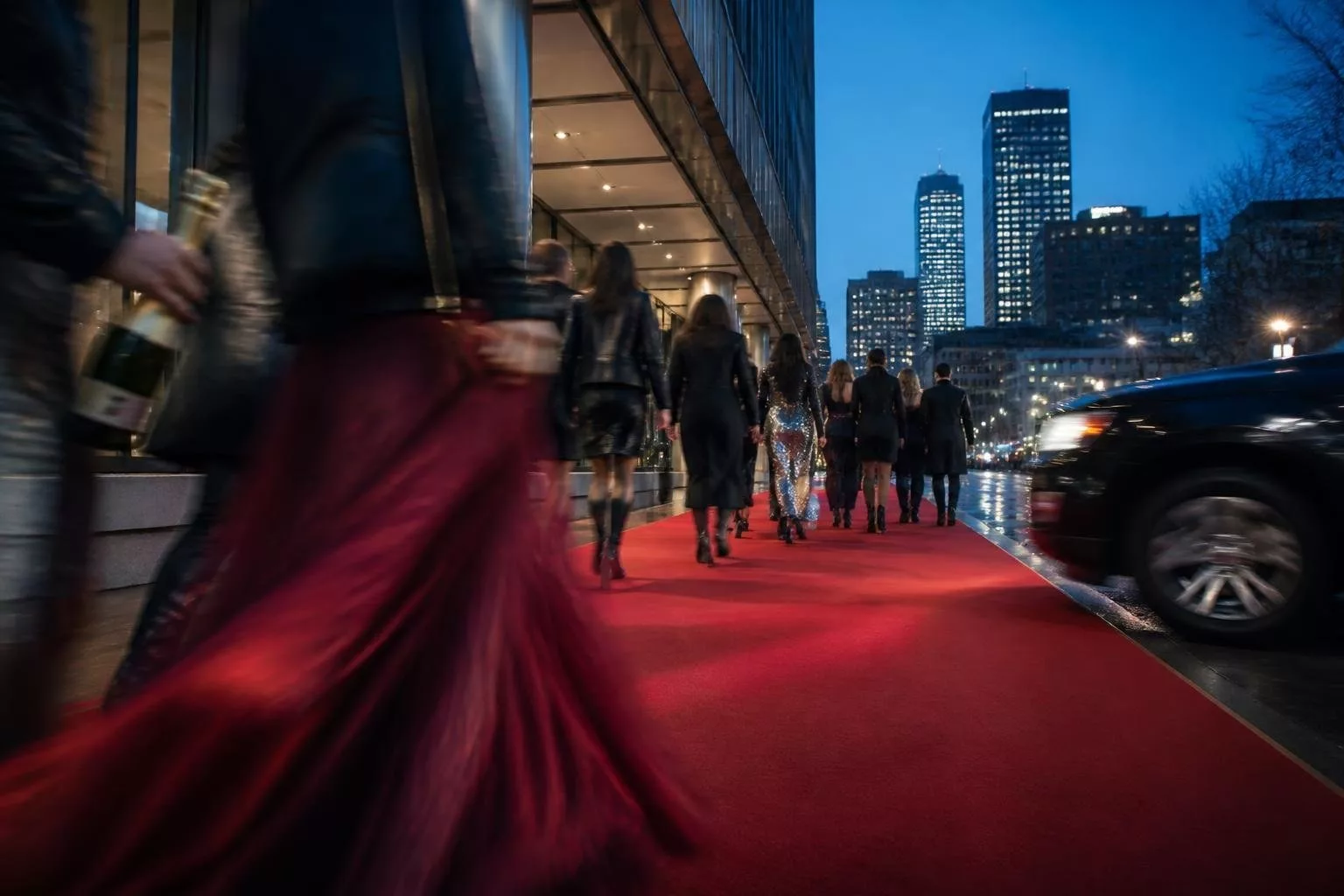
Mike Vacirca, owner of the Anthem Orlando nightclub, disclosed on Threads that his venue’s primary Instagram handle, @anthemorlando, was disabled on October 20—just two days after the city’s Pride parade ended. A backup account, @anthem0rlando (featuring a zero instead of the letter “o”), suffered the same fate. The suspension notice cited Meta’s Community Standards but failed to specify which post or rule was violated, leaving the club’s management to appeal without any concrete guidance.
The problem is not isolated. A second Orlando establishment, the Savoy Orlando, reported that both its original Instagram page and a replacement account (@savoyorlando_) were removed earlier in the year. Drag performer Trixie Deluxxe confirmed the loss on Instagram, noting that the club was forced to “start fresh” after the platform erased its digital presence.
These closures come at a time when LGBTQ venues are already under pressure. Anthem Orlando had just celebrated its first anniversary, marking a space that was built “for queer joy” in the heart of downtown. The sudden loss of a primary promotional channel jeopardizes ticket sales, event announcements, and community outreach for a business that relies heavily on social media visibility.
Another example from outside Florida underlines the pattern. Rain on 4th, a gay bar in Austin, Texas, saw its Instagram account removed on July 30 without a clear rationale. After creating a new profile, the bar’s original page was reinstated on August 21, but the owner, Scott Neal, told local reporters that most flagged content consisted of harmless, G-rated photos of drag performers—content that should not trigger a violation under Meta’s own policies.
Nationally, similar incidents have been documented at Wilka’s Sports Bar in New York and The Stud in San Francisco. Both venues eventually regained access after public appeals, with The Stud’s restoration reportedly aided by Meta employees who frequented the bar and intervened on its behalf.
No Kings Coalition’s Instagram blackout during voter-turnout protests
On the Saturday of a massive pro-democracy march aimed at boosting early voting, the No Kings Coalition—a network coordinating nationwide demonstrations—found its Instagram account offline for several hours. The outage coincided with live streams and coordinated posts urging citizens to register and vote early ahead of the 2026 midterms.
Meta later issued a brief apology, attributing the suspension to an “automated action” that activates when an account posts, shares, or comments at an unusually high frequency. A spokesperson explained that the system interpreted the coalition’s intense burst of activity as “bot-like” traffic, automatically disabling the account before a manual review could intervene.
Despite the restoration, No Kings members voiced skepticism. They argued that only a handful of posts were made during the protest, and the bulk of their activity consisted of live-streaming to thousands of viewers—a legitimate use of the platform during a civic event. Senators Bernie Sanders and Chris Murphy publicly criticized the episode, labeling Meta’s intervention as an example of “billionaire ownership of the media” that jeopardizes democratic participation.
Organizers also noted that the suspension occurred on a day when the Supreme Court’s recent weakening of the Voting Rights Act has heightened anxiety about voter suppression. The coalition’s broader mission—addressing federal layoffs, immigration enforcement, and foreign wars—relies heavily on social media to mobilise volunteers and disseminate information, making any interruption especially consequential.
Meta’s AI-driven moderation: transparency gaps and calls for reform
Both the LGBTQ nightclub owners and the No Kings Coalition point to the same underlying issue: Meta’s reliance on artificial intelligence for content moderation. Reports from major newspapers indicate that the company increasingly entrusts algorithmic bots to scan billions of posts, flagging those that appear to violate community guidelines. However, the opacity of these systems means that users often receive generic violation notices without any reference to the specific content or rule breached.
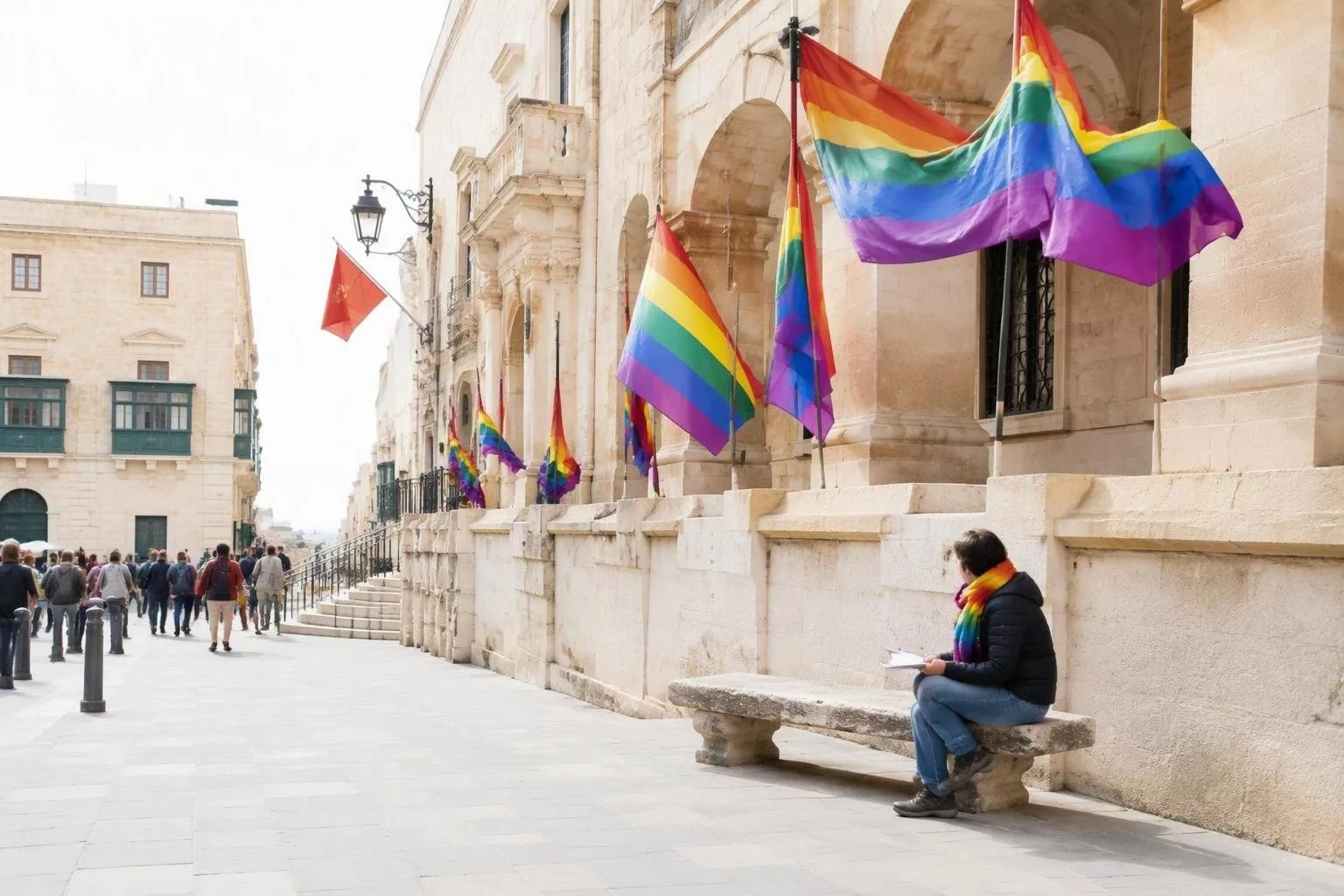
Critics argue that AI models, trained on vast datasets, can inadvertently encode biases—particularly against marginalized groups whose language, imagery, or cultural references differ from mainstream norms. The repeated targeting of queer venues, whose promotional material frequently features rainbow symbolism, drag performances, and inclusive messaging, suggests a potential blind spot in the algorithmic filters.
In response, Meta’s advisory board, composed of external experts, has labelled the No Kings incident as part of a series of “recurring enforcement failures” surrounding the upcoming elections. While the company has pledged to refine its detection thresholds, activists demand concrete steps: clearer communication of policy breaches, faster human review pathways, and independent audits of the AI systems that decide which accounts stay online.
Until such measures are implemented, businesses and advocacy groups alike remain vulnerable to sudden digital blackouts that can cripple outreach, revenue, and civic participation. The recent spate of Instagram suspensions serves as a stark reminder that the platforms designed to amplify voices can also, unintentionally, silence them.