
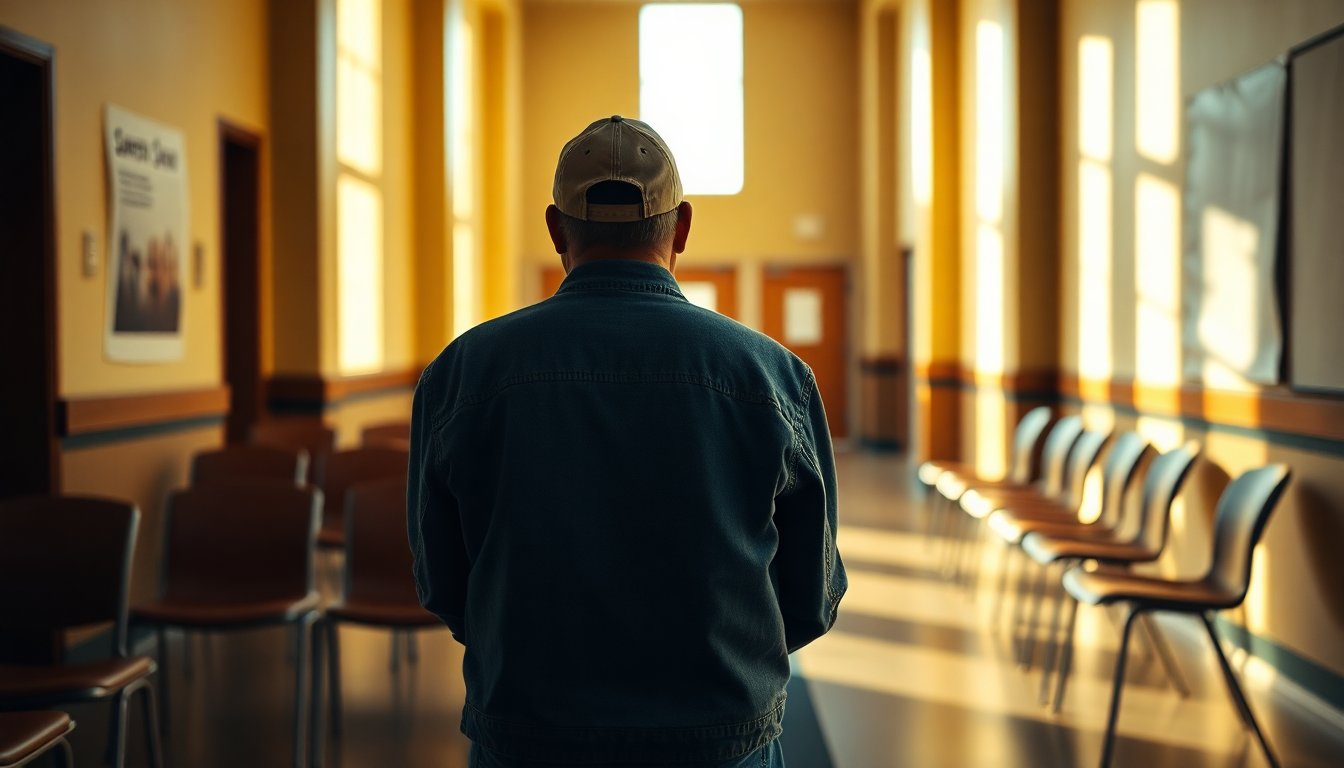
The history of neglect toward people who report sexual assault has many layers, and for those in the LGBTQ+ community the problem is often compounded. Research and advocacy groups have long documented disproportionate rates of violence: nearly half of trans and gender-diverse people, almost 60% of gay men and lesbians, and roughly 80% of bisexual women report having experienced sexual violence. Yet the stories that dominate public conversation tend to reflect narrow images of survivors. In this context, when accounts from less visible groups surface, they can feel like rare moments of recognition for people whose experiences are usually sidelined. The gap between prevalence and visibility is a central obstacle to justice.
Public attention sharpened on April 12 when Ruby Rose alleged that Katy Perry sexually assaulted her at a Melbourne nightclub nearly 20 years ago. Perry has denied the claim through a representative, describing the allegation as untrue, and Australian authorities have opened an inquiry. Rose has said she cannot comment publicly while that process proceeds. Social media responses ranged from crude jokes riffing on a well-known pop lyric to genuine expressions of identification from sapphic, butch, gender-nonconforming, and trans survivors. For many people who present masc-of-center—a term that describes masculine-aligned gender expression across cis and trans identities—the episode brought old questions about who gets believed back into focus.
How masculinity shapes disbelief and erasure
Cultural assumptions about gender often create a blind spot: masculinity is mistakenly treated as a shield against victimization. That myth interacts with homophobia and transphobia, producing a specific form of erasure for masc-of-center people. Survivors describe a recurring disbelief rooted in stereotypes that men or masculine-presenting individuals cannot be harmed sexually, or that their masculinity would somehow be erased by an assault. As one transmasculine survivor put it, the existence of masculine identity does not cancel the reality of harm; maintaining a masculine presentation and having been assaulted are not mutually exclusive. Dispelling this false binary is essential to recognizing the breadth of survivors.
The cultural cost of narrow narratives
Nearly a decade after the #MeToo movement prompted a wider reckoning with sexual violence, conversations remain uneven, particularly around queer and trans experiences. When public images of survivors center thin, cisgender, heterosexual women, other survivors struggle to name and validate their experiences. This problem extends to cisgender men who are assaulted by women, who can face ridicule or disbelief because of assumptions about male invulnerability. The backlash from reactionary corners of social media—along with coordinated political attacks on trans rights—has narrowed the space for nuanced discussion about consent, power, and trauma, leaving marginal groups with even fewer places to process what happened to them.
Barriers to reporting and to receiving care
The service landscape reflects these cultural gaps. Many survivors who identify as masc-of-center report encountering resources that feel tailored to women and femmes, making it hard for them to find relevant support. One survivor described visiting a resource center before transition and overhearing staff dismiss an assault allegation because the person was larger-bodied, echoing harmful myths that certain bodies are not targets of sexual violence. After transition, the same survivor wondered whether disbelief was due to their masculinity, their size, or the color of their skin. Structural biases like these discourage reporting and push people into solitude when they most need community and care.
Data and policy implications
The empirical record underscores the urgency. A 2026 study of 729 transmasculine people found that nearly half reported a history of sexual assault, highlighting a pronounced need for targeted services. Yet organizational and political shifts can exacerbate exclusion. For example, the anti-sexual-violence organization RAINN removed references to trans people from its website in February 2026 as it aligned with broader policy pressures affecting funding for groups that serve trans communities. The result is a fragmented support ecosystem in which survivors who do not fit the dominant image of victimhood are left to cobble together help on their own.
What survivors say they need
Voices from within the community point to practical solutions: spaces that explicitly include masc-of-center experiences, clinical care that understands gender diversity, and public messaging that dismantles myths about who can be harmed. Creators and survivors say they need places to process feelings without having to translate them into cisnormative language, and they want resources that do not assume femininity as the default for trauma. Building that infrastructure will require funding, training, and a willingness from mainstream organizations to broaden their definitions of survivorhood so all people can access validation and care.
Recognition is the first step toward better outcomes. When high-profile allegations bring hidden patterns into the open, they can create brief windows of attention—but lasting change depends on persistent advocacy and inclusive policy. Supporting masc-of-center survivors means centering their stories, expanding the vocabulary of care, and ensuring that services and laws reflect the actual diversity of people who experience sexual assault. Only then can the silence that surrounds masculine-presenting survivors begin to break.


