
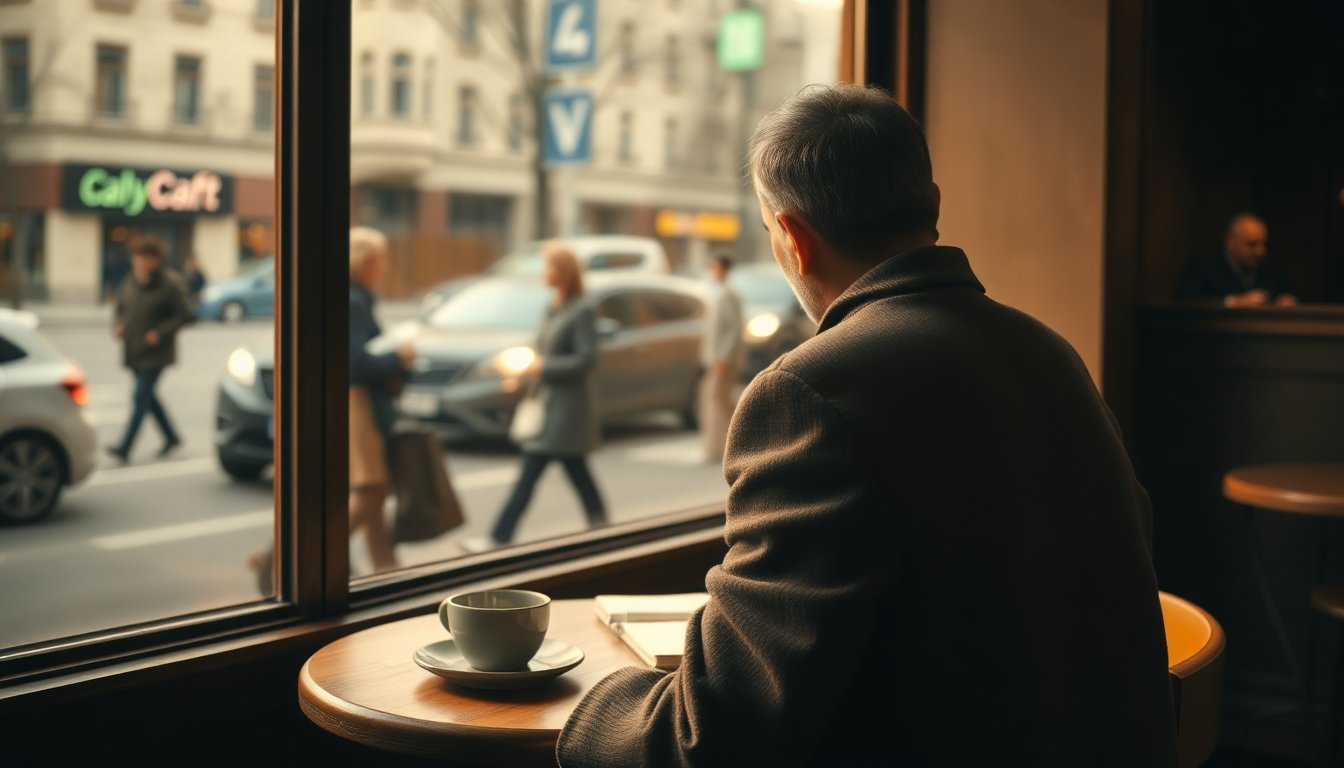
I have described myself as bisexual for many years, yet I often keep a quieter truth out of casual conversation: I sometimes feel like I’m not bisexual enough. That private sense of inadequacy accompanies me even as I offer support to other bi people. In my work answering messages and writing, that uncertainty has an odd advantage — it helps me imagine other perspectives — but it also sits like a shadow behind a thin curtain. I worry less about proving anything to others and more about understanding how my desires actually appear in daily life.
In trying to name what I feel, I find sexual fluidity useful as a concept but limited as a map. Instead of a single image, I think of attraction as weather: sometimes bright and fixed, sometimes overcast and shifting. The idea of sexual fluidity helps explain change without insisting on a final destination. At the core, I recognize a steady, strong pull toward the category of women — a fact that has kept me from adopting labels like pansexuality, which I understand as attraction regardless of gender. My pattern is not gender-blind; gender matters in my attractions.
Where doubt and comparison come from
For a long time I tried to manufacture a more performative version of my sexuality — to be a “better” or “more” bisexual. That approach only produced anxiety. When you treat identity as a checklist or goal, it becomes easy to say you are failing. I spent years pushing myself into situations I thought would prove something to me or others, a strategy that rarely ended well. Learning to stop forcing experiences required recognizing that identity is not a test score. Bisexuality exists on a spectrum and often resists tidy explanations, the same way weather refuses a single forecast.
College friendships and contrasting paths
One of my closest friends in college had a very different relationship with desire. She attracted attention easily but often hesitated to move beyond flirting. She identified as bi, yet her lack of interest in sex sometimes made her question if asexuality fit better. That mismatch between expectation and experience bothered her: she wanted a certain kind of wild, highly sexualized college life she imagined for herself. Over time she settled into relationships where intimacy arrived gradually and consensually. Watching her move from discord to steadiness taught me that different rhythms of desire are valid and that chasing an imagined ideal can overshadow genuine comfort.
A small evening that reframed consent and curiosity
Recently I hosted a low-key night with a man I’d been texting. We’d been flirty and interested, and the possibility of sex was real. Once we sat down and talked, however, the conversation overtook any sexual impulse. We traded teaching stories and absurd anecdotes, fed each other calzones, and I watched him laugh with one of my oversized cat plushies. I chose to set sex aside and allowed light touching only, and the night unfolded into warmth rather than performance. In the morning I could have criticized myself for not following through, but on reflection I realized this choice honored my current truth and preserved mutual respect and consent.
Why that choice mattered
That evening highlighted a lesson I wish I had learned earlier: consent includes the freedom to decide in the moment without shame. If a prior version of me had been in control, I might have nudged myself into sex to satisfy an internalized standard of what a “good bisexual” does. Instead, I made a bounded choice that felt authentic. This decision is an antidote to internalized biphobia, which often pushes people to conform to stereotypes about bisexual behavior. Choosing gentleness helped me sidestep performance and center emotional honesty.
Labels, learning, and ongoing projects
I came out as bisexual before I explored other parts of my gender journey. Most of my long-term relationships have been with bi women, and many of my partners have identified similarly. That history makes bisexuality deeply meaningful to me, which is partly why I feel pressure to live up to an imagined standard. I also juggle recovery from trauma, eating disorders, and grief — assembling these as ongoing projects reminds me that identity work is continual. Confronting internalized biphobia became one more task on a long to-do list of care rather than a final exam I must pass.
Moving forward with kindness
My practice now is simple and small: listen, observe, and let labels do less of the heavy lifting. I pay attention to how attraction shows up, avoid forcing experiences to meet preconceived goals, and give myself permission to be uncertain. The technical terms — pansexuality, asexuality, demisexuality — sit alongside bisexuality without needing to erase any of them. Embracing nuance, allowing ambiguity, and being gentle with myself feel like the healthiest next steps.
Final thought
In the end, the clearest truths I can state are practical: I am attracted strongly to women, I identify as bisexual, and I feel better choosing compassion over competition with myself. Moving from performance to patience transforms the way I live my sexual identity — and that gentle approach is a meaningful discovery worth keeping.


