
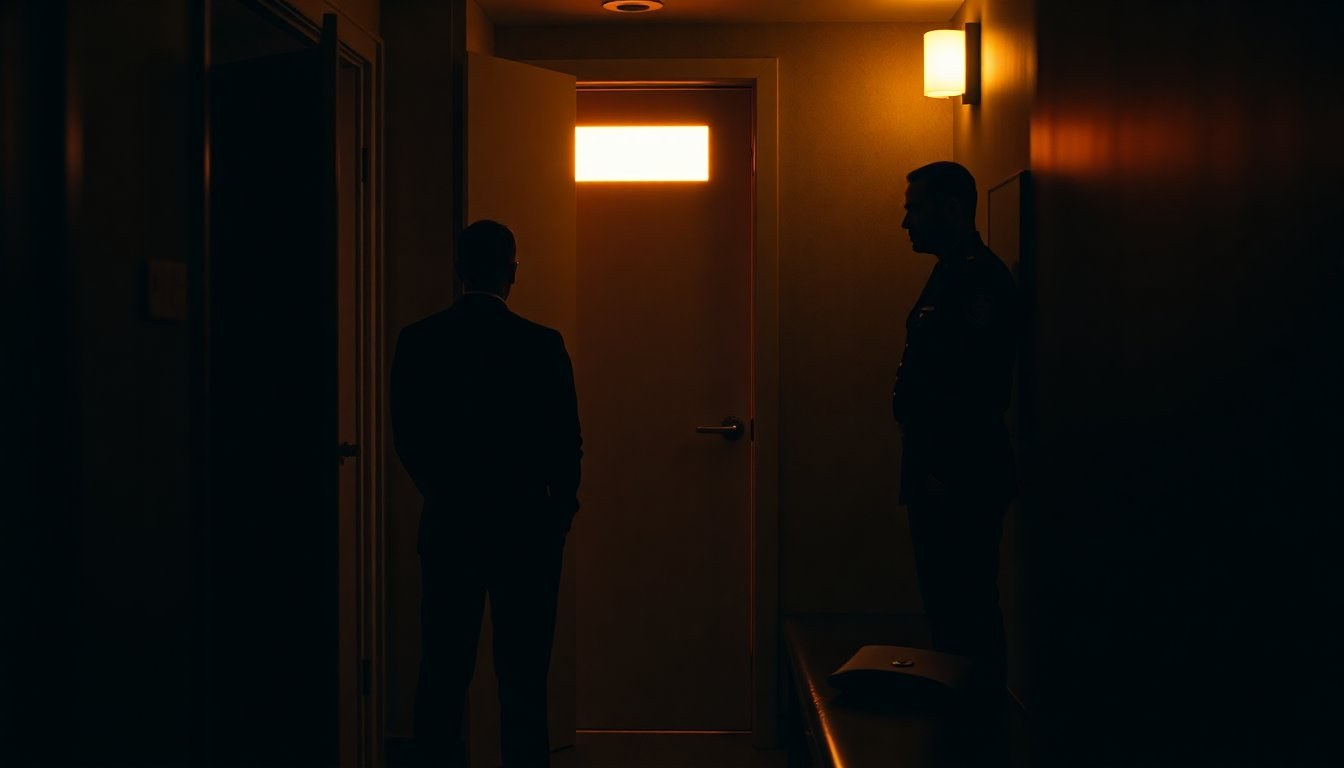
The actor and writer Wesley Han, known for appearances in Russian Doll, Awkwafina Is Nora from Queens, and Power Book II: Ghost, has launched a civil lawsuit against the Soho Grand Hotel after an incident inside a women’s restroom at a private gathering. According to the complaint, the encounter occurred on March 5, when a hotel security guard entered a stall the actor occupied, asked other users whether they had “seen a man enter,” and then instructed Han to leave the stall. Han says the guard refused a request to wash their hands and instead escorted them to the men’s restroom, an experience the complaint says caused significant emotional harm.
In the filing, Han describes the outfit they were wearing that evening as clearly aligned with their gender presentation—women’s slacks, heels, earrings, a purse, and a Dion Lee blazer—and explains that their choice to use the women’s restroom reflected both personal safety and social norms they have followed in public settings. The complaint asserts that the guard’s conduct left Han humiliated, embarrassed, and distressed, and that the hotel denied them the full enjoyment of the facility compared with other patrons. The suit seeks compensatory and punitive damages to be determined at trial.
The incident and immediate allegations
The core allegation centers on a moment when a security staffer allegedly entered the restroom area and called out to the women inside, asking if anyone had seen a man enter. When the others in the room responded negatively, the guard proceeded into the restroom, approached the occupied stall, and demanded that Han exit. Han states they complied to avoid escalating the situation, were prevented from washing their hands, and were escorted to the men’s room to clean up instead. The complaint frames this sequence as not only a breach of personal dignity but also an unlawful act of exclusion based on gender presentation.
This account highlights several key facts the suit emphasizes: no other restroom users objected to Han’s presence; Han had made the choice to use the women’s restroom in keeping with their appearance; and the staff response treated them as a threat rather than as a guest. Han says the night, intended to be enjoyable, became a source of lasting distress and public humiliation—harms the complaint asks a jury to remedy through damages.
Legal framework and protections
The complaint cites protections under New York law that prohibit discrimination on the basis of gender identity and expression. Specifically, it points to the New York City Human Rights Law and related statutes that have long forbidden denying restroom access or discriminating against individuals because of their gender presentation. The filing describes how those legal protections require entities with gendered facilities to allow patrons to use the restroom that most closely aligns with their gender and to make clear that facilities are available to people of all genders.
What the law covers
Under city rules, discrimination based on gender identity or gender expression can include preventing someone from using a single-sex facility or imposing different treatment because of how a person looks or identifies. The complaint points out that New York City law has forbidden such discrimination since 2002 and that the statute also addresses related harms such as misgendering and unequal uniform standards. Han’s filing argues the hotel’s actions contravened these protections by singling them out and denying the same access and dignity granted to other guests.
Responses and wider implications
The Soho Grand Hotel has issued a statement saying it is committed to compliance with applicable federal, state, and city non-discrimination laws and that it has long positioned itself as a place welcoming to the LGBTQIA+ community; the hotel also noted it could not comment on pending litigation. Han, who also works as a writer focused on stories about women, people of color, and queer and trans folx, says the case is about more than one night—it is about preserving the ability of gender-nonconforming people to move through public life without fear of being policed or publicly shamed.
Broader context and potential precedents
Advocates and legal observers will watch the suit for its potential to reinforce enforcement of existing protections and to send a message about how hospitality venues train and supervise staff in handling gender-related questions. The filing asks a jury to award compensation for humiliation and mental anguish and to impose punitive damages, signaling a hope not just for personal redress but for institutional changes that reduce the likelihood of similar episodes for others. For many, the case underscores the everyday stakes of how policy, training, and customer interactions intersect with civil rights.
As this legal process moves forward, it will test how established municipal protections operate in real-world encounters and whether businesses respond to complaints with strengthened policies or defensiveness. For Han, the suit is framed as a quest for accountability and for reassurance that cities like New York remain places where people can express gender authentically without being forced into spaces that conflict with their identity.


