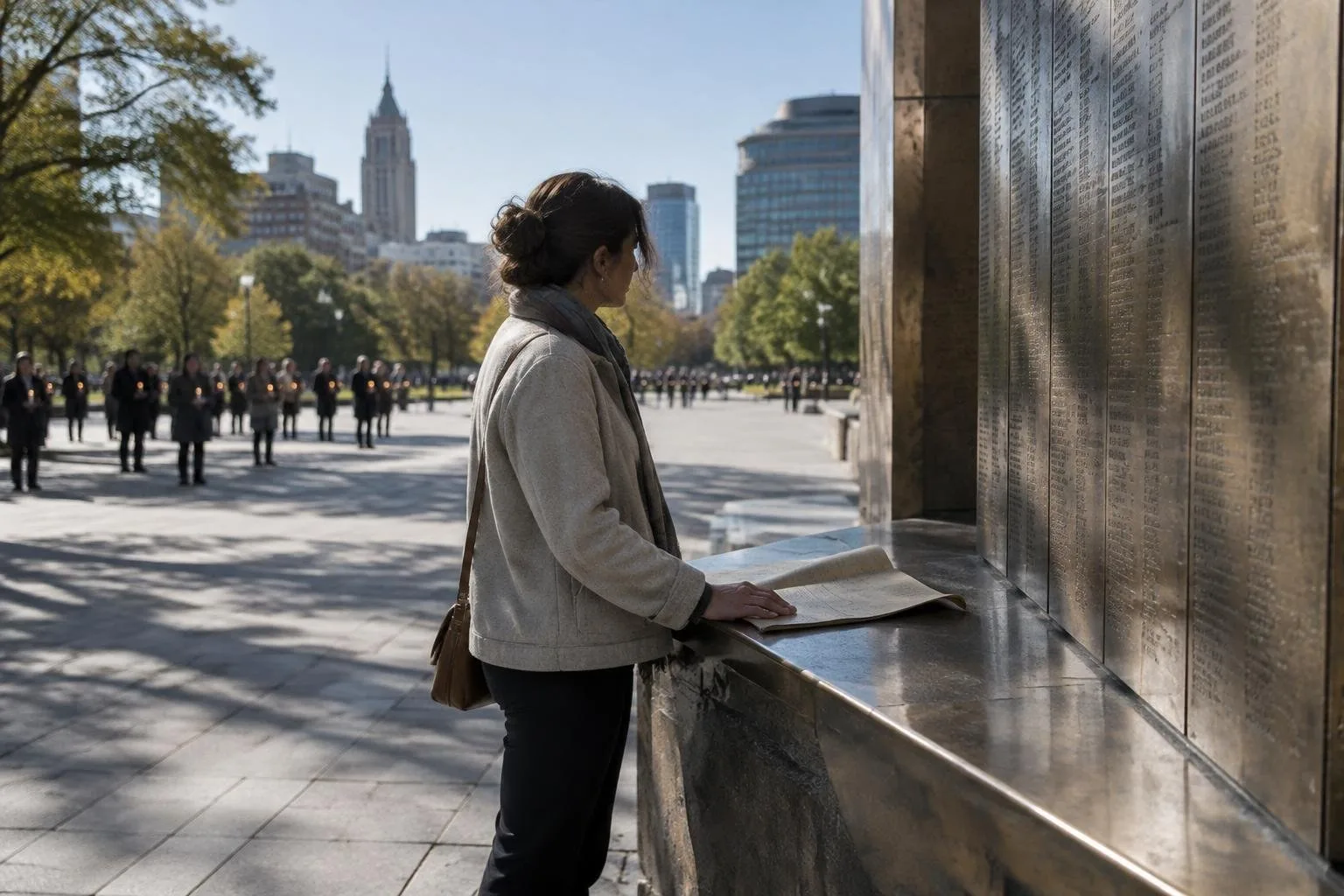
Transgender Day of Remembrance events this year are centering both grief and the practical needs of families and communities facing rising anti-trans violence. The observance, commemorated on November 20, was first organized in 1999 by San Francisco-based activist Gwendolyn Ann Smith to honor Rita Hester, a Black transgender woman killed in Massachusetts. The annual day now includes vigils, readings of names, and community gatherings that aim to remember lives lost and to strengthen support networks.
Audience Editor Edgar Ramirez opened a Transgender Day of Remembrance note with the words “Hello and Happy Friday, folks!” The memorial work this year responds to a national report by Advocates for Trans Equality that documents the deaths of 62 people between November 1, 2025, and October 31, 2026, across 30 states and Washington, D.C. Of those, at least 28 were killed, 14 of them Black trans women; 21 died by suicide; and 13 died of natural or unknown causes. These figures have shaped public vigils and memorial altars in cities from Boston to Phoenix.
Local remembrance and community programs
In Boston and other cities, families and friends are turning to GoFundMe to help cover funeral and memorial costs while communities gather to grieve and commemorate. The Center in San Diego is hosting a local event on November 20, and Project TRANS has invited the public to join a remembrance observance that will run from 5:30-8pm. The program will include readings of names of trans people lost to anti-trans violence in 2026, guest speakers, and a performance piece by a San Diego-based trans artist. Attendees are encouraged to contribute items for a local community altar.
Dr. Brookelynn Maddox (they/them/elle), Project TRANS Transgender and Nonbinary Services Manager at The Center, framed the event as both a remembrance and a celebration of community resilience. They wrote, “Our right to life is not a debate, and it never was.” The program also includes a reception with community resources, a collaborative art piece, music by a local trans DJ, and refreshments sponsored by RICH’s.
Memory, grief and access to affirming care
Organizations working on Transgender Day of Remembrance emphasize that each person named represents a life, with routines, relationships, and futures. The LGBTQ+ Care Center in Phoenix and provider Spectrum Medical highlight the mental health impacts of reading names and the need for trauma-aware response. Care guidance includes recognizing grief reactions, avoiding graphic coverage that can retraumatize, and offering practical support such as rides or meals to those mourning.
Spectrum Medical also framed access to gender-affirming health services as part of preventing harm. The organization described everyday clinical practices that build trust (using names and pronouns correctly, protecting patient privacy, explaining options clearly, and practicing active listening) and positioned that work as integral to supporting long-term wellbeing. The clinic noted its services include hormone therapy and surgery referrals, primary care framed as ongoing, and referrals to culturally responsive mental health and peer supports.
The national memorial by Advocates for Trans Equality and local vigils alike underscore disparities in risk, particularly for Black trans women and trans people of racialized identities. As communities mark the day, they balance honoring those lost with efforts to connect survivors and families to resources and to sustain public attention on prevention.
For people seeking care or referrals in Arizona, Spectrum Medical provided a contact option: call 602-604-9500 or complete their new patient form. Community events such as The Center’s November 20 remembrance offer both public memorial space and local resource connections for people who want to attend.