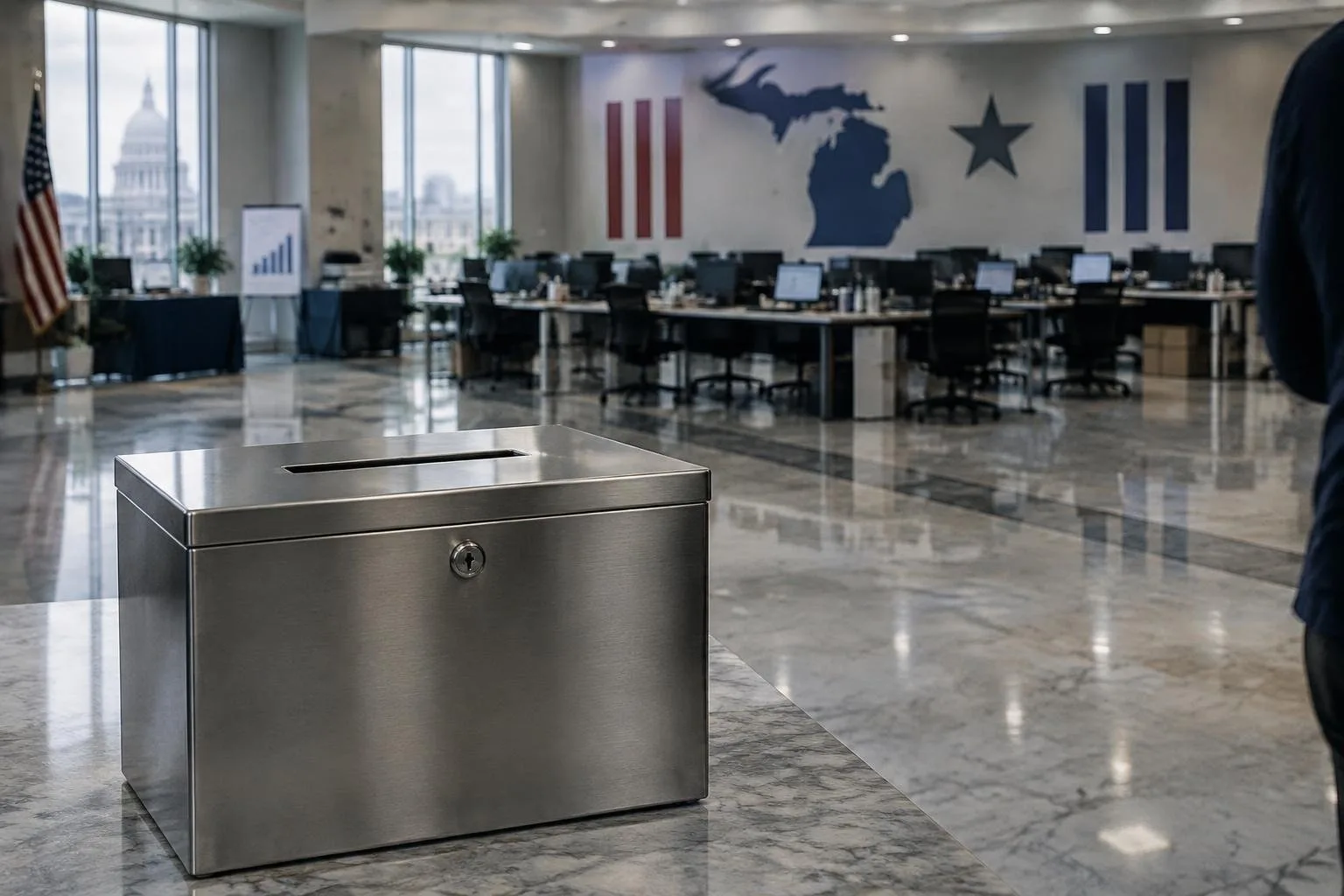
The upcoming 2026 midterm elections are poised to become a watershed moment for American governance. Scholars at Brown University argue that a shift in congressional control could unleash a fresh wave of policy backlash, while recent ballot initiatives and advertising campaigns reveal an unprecedented surge in anti-trans rhetoric. The confluence of these forces not only reshapes legislative priorities but also deepens the cultural fault lines that have defined the past decade.
Potential legislative fallout if Democrats seize one or both chambers
Political scientist Eric Patashnik explains that a Democratic gain in the House, the Senate, or both would dramatically alter the oversight landscape. Policy backlash in this context means that the executive branch would face intensified investigations, subpoenas, and a more hostile confirmation process for judicial and executive nominees. While President Trump retains veto power, the likelihood of repealing recent Republican statutes would diminish. Instead, Democrats could leverage their new bargaining position to extract concessions on budgetary matters, such as restoring portions of Medicaid funding that were trimmed under the One Big Beautiful Bill Act. The net effect would be a more contested budget process, with partisan negotiations shaping the final outcomes.
Anti-trans ballot measures and the mental-health toll on youth
Parallel to the congressional battle, five states—Washington, Colorado, Nebraska, Arizona, and Missouri—placed ballot initiatives that would restrict transgender youth’s access to healthcare, sports, and school facilities. Early results show Missouri’s measure failed, while Nebraska and Arizona approved theirs; Colorado and Washington remain undecided. Hundreds of millions of dollars poured into anti-trans advertisements, amplifying a hostile political climate. The Trevor Project’s research links the passage of such measures to a staggering 72% rise in past-year suicide attempts among transgender and nonbinary youth in affected states. Moreover, 94% of surveyed youth reported stress or anxiety tied to recent anti-LGBTQ+ politics, and 86% felt unsafe. These statistics underscore that the policy fight extends far beyond legislative chambers—it reverberates in the lived experiences of vulnerable young people.
Historical roots of the trans-phobic playbook
The current tactics are not novel. In the 1950s, columnist Walter Winchell weaponized the fame of Christine Jorgensen—the nation’s first widely known transgender person—to cast doubt on Democratic nominee Adlai Stevenson’s masculinity, linking a political opponent to gender transition. The backlash contributed to the cancellation of Winchell’s radio program. Fast-forward to 2026, President Donald Trump and senior advisers have revived similar strategies, labeling Democratic candidates like Annie Andrews and James Talarico with derogatory slurs or unfounded claims about their gender identity. This rhetoric, amplified by high-budget attack ads, mirrors a decades-old playbook that seeks to weaponize gender nonconformity as a political liability.
Student sentiment on campus reflects the convergence of these issues. Brown University students, for example, voice concerns about the economy, housing affordability, and climate change, but also highlight artificial intelligence and corporate influence as top priorities. The heightened focus on housing costs and AI mirrors broader national anxieties, while the anti-trans narrative adds a layer of cultural conflict that resonates with younger voters who are increasingly attuned to civil-rights implications.
In sum, the 2026 midterms operate on two interlocking fronts: the traditional contest for legislative supremacy and an emerging cultural battle over transgender rights. Whether voters favor a shift in power or maintain the status quo, the elections will test the resilience of democratic institutions and the capacity of American society to protect its most vulnerable citizens. The outcomes will likely set the tone for the next half-decade, dictating not only which party controls the Capitol but also how inclusive or hostile the nation’s political discourse will become.