
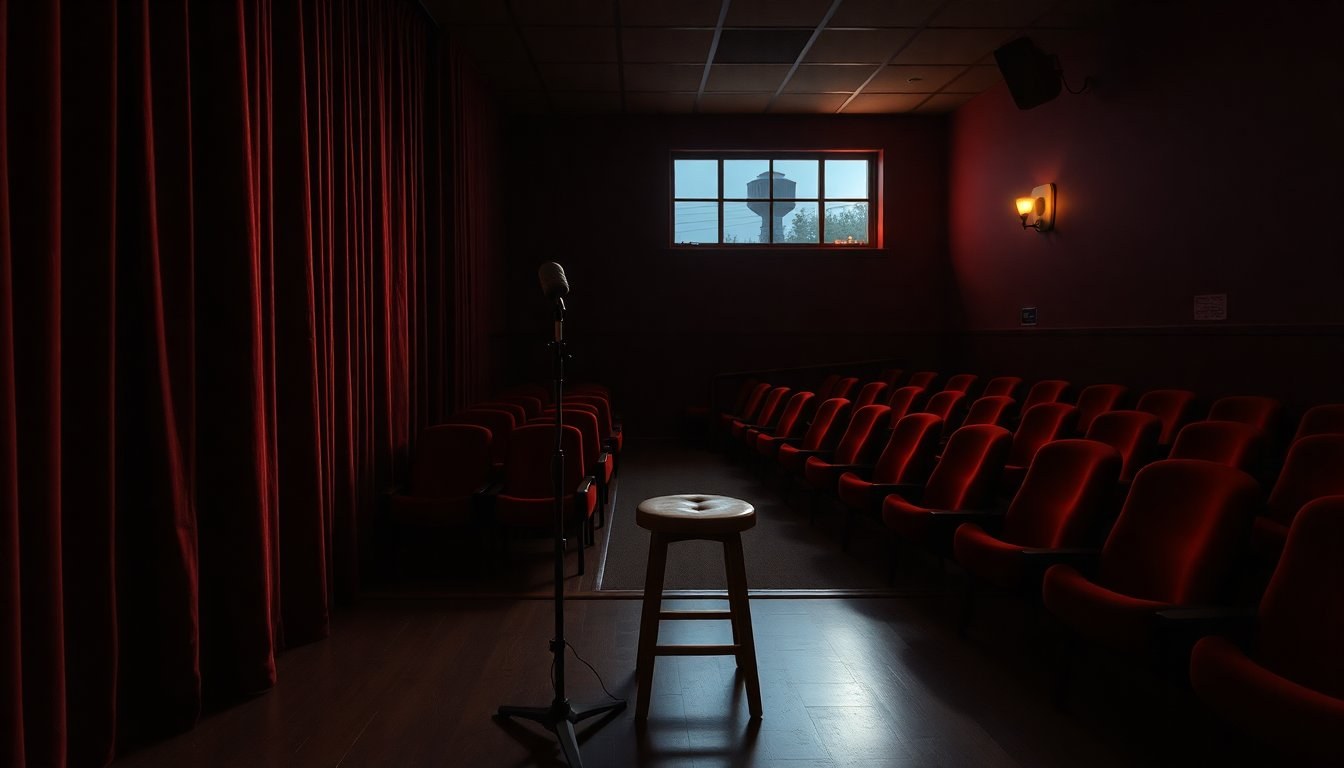
Mario Cantone has described a career that mixed applause with obstruction: while he found acceptance on many stages, other doors stayed firmly closed. In interviews, he explains how his act could thrive at the mainstream comedy clubs where audiences responded without fuss, even as executives at higher levels seemed unwilling to move forward. He notes that his ability to pass as straight in those venues helped him land gigs, but it did not translate into the kinds of network opportunities that often define a broader career.
Behind the scenes, Cantone says, the pattern of being hired and then pushed aside repeated itself. He uses blunt language to capture the frequency and emotional toll of those setbacks: he was sidelined, dismissed, and sometimes fired. These moments were not merely professional slights; they were signals about what gatekeepers in television valued and feared. His story highlights the tension between onstage acceptance and the conservative risk calculations at the network level that shaped careers in entertainment.
Finding an audience at the clubs
Cantone emphasizes that in the live circuit he encountered few barriers to laughter. The crowds at major venues loved his routines and his voice, and club bookers often vouched for him. That contrast—warmth from audiences but skepticism from executives—illustrates how different parts of the entertainment ecosystem evaluated his work. He credits the clubs for letting him develop material and hone timing; yet he also explains that success there did not automatically open network doors, because decisions at that level were filtered by a different set of concerns.
A pulled appearance and what happened with Johnny Carson
One of the clearest examples Cantone gives involved a high-profile opportunity that evaporated at the last minute. He was booked for Johnny Carson in 1986, a turning point many comics hoped for, and initially received encouragement from a talent booker who praised his work. The booking seemed set, and plans were made to assemble a short set for the show. But about a week before the taping, the same booker called to say he had rewatched the tape and perceived a gay edge in the act. He told Cantone that featuring him might make Johnny nervous and therefore withdrew the date. Cantone recounts this as a concrete moment when a network-level judgment overruled talent and audience reception.
The anatomy of the cancellation
This cancellation demonstrates how a single opinion at the network level can reshape a performer’s career trajectory. The decision hinged not on talent or crowd response but on perceived image and comfort for an established host. Cantone’s example shows the industry mechanics: a promising chance gets vetted by executives who weigh perceived audience comfort and the show’s established persona. Even with strong endorsements from club bookers and fans, a show’s gatekeepers hold significant power to accept or reject acts based on subjective concerns.
Broader implications and personal resilience
Beyond the anecdote about Carson, Cantone situates these experiences in a wider conversation about representation and access. He frames the setbacks as part of a pattern where networks treated LGBTQ+ presence as a liability rather than an asset, even when club audiences responded enthusiastically. Still, his account also speaks to persistence: he continued working the circuit, refining his voice, and finding ways to connect with audiences. The setbacks did not end his career; they redirected it, shaping how he navigated opportunities and advocated for himself as an artist.
Lessons for the industry
For observers and aspiring performers, Cantone’s story offers two clear takeaways. First, live acclaim does not guarantee institutional acceptance—structural gatekeeping can block visibility regardless of talent. Second, personal determination matters; building a career often requires weathering rejections and finding alternate routes to visibility. Cantone’s experience remains a pointed reminder of how cultural biases once shaped, and in some cases still shape, who gets televised national exposure.


