Recent months have highlighted three distinct yet interrelated moments for the LGBTQ community. A free health fair in Bay Shore, New York, offered direct links to medical and mental-health providers; a nationwide survey revealed that LGBTQ adults are far more involved in online communities than their non-LGBTQ peers; and a sold-out garden party in Palm Springs celebrated a quarter-century of advocacy and visibility. Together, these stories illustrate how physical gatherings, digital spaces, and cultural celebrations reinforce one another.
Bay Shore health fair bridges gaps in LGBTQ health care
On a sunny Saturday, the New York LGBT Network organized a no-cost health fair in Bay Shore that brought together physicians, mental-health counselors, and social-service agencies. Attendees such as Ryan Reed of Hauppauge walked away with information about resources they had never heard of before. Reed noted, “Walking in here, I’ve already learned of new resources I’ve never heard of before.” Organizers emphasized that events like this can counteract the stark barriers highlighted by recent research: the Kaiser Family Foundation reports that 58% of LGBTQ adults delayed needed medical care in the past year, and 29% said their health worsened because of that postponement.
Psychotherapist Jaymes Blair of Paniccia Psychotherapy & Counseling stressed the scarcity of LGBTQ-affirming mental-health options on Long Island, calling the fair “a great resource for people in the LGBT community.” Participants also appreciated the comfortable environment; Georgie Hartman from South Huntington explained that the setting felt safer than a typical doctor’s office, allowing visitors to ask candid questions without fear of judgment.
Pew research uncovers strong online community ties among LGBTQ adults
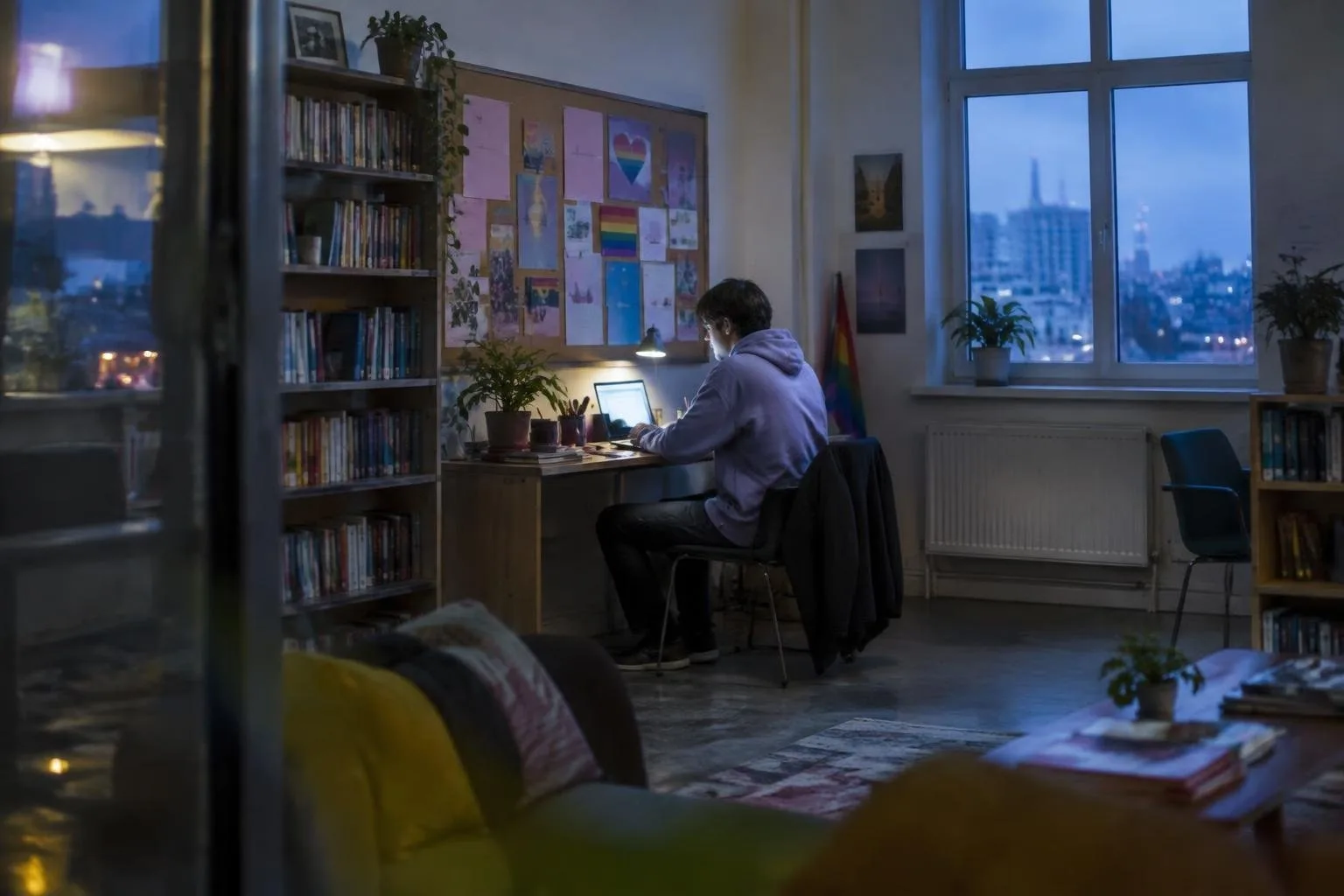
A recent Pew-Knight Initiative survey of 9,750 U.S. adults (May 26-June 1, 2026) found that 49% of LGBTQ respondents consider themselves part of an online community, compared with 35% of non-LGBTQ adults. The study defined an online community as any space where people regularly interact—social media groups, discussion forums, messaging apps, or multiplayer video games. Among those who participate, four-in-ten LGBTQ adults say these spaces bring a great deal or quite a bit of value to their lives, versus just a quarter of non-LGBTQ respondents.
The most common motivation, reported by 73% of LGBTQ participants, was the desire for acceptance. By contrast, roughly half of non-LGBTQ respondents cited acceptance as a primary reason. Other frequently mentioned drivers included sharing ideas, staying informed about current events, and seeking social interaction. The differences persisted even after controlling for age and education, underscoring a persistent need for digital safe-havens within the LGBTQ population.
Palm Springs garden party marks 25 years of HRC advocacy
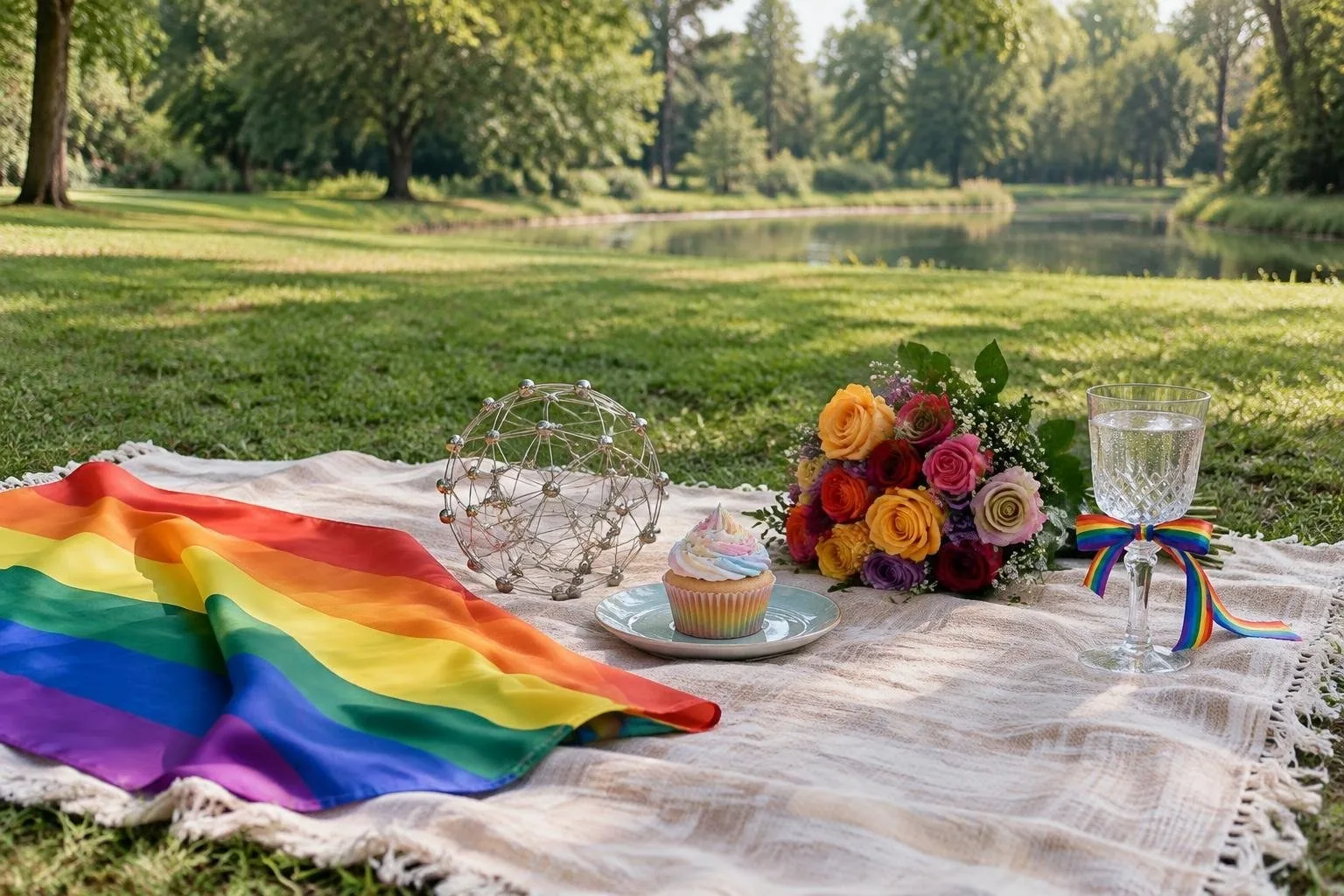
On November 7, the Human Rights Campaign’s Palm Springs-Coachella Valley chapter hosted its annual Garden Party at the historic Dinah Shore Estate. More than 650 guests filled the venue for the “Silver Palm Edition,” celebrating a quarter-century of fundraising and community building during the city’s 40th Pride weekend. The event honored photographer-philanthropist Michael Childers with the HRC Community Impact Award and Variety senior editor Marc Malkin with the Visibility Award. Both honorees have leveraged art and media to amplify LGBTQ voices.
Executive producer Brian O’Connor highlighted that the party’s longevity stems from volunteers, donors, and local leaders who continuously invest time and resources. He noted, “Twenty-five years of community does not happen by chance; it happens because people set an intention, they show up, give what they have to give and create something larger than themselves.” The gathering not only raised funds for organizations such as DAP Health and the LGBTQ Community Center of the Desert, but also reinforced the idea that public celebrations remain vital for sustaining momentum in the fight for equal rights.
Together, the Bay Shore health fair, the Pew-Knight survey, and the Palm Springs Garden Party illustrate a common thread: when LGBTQ individuals find affirming spaces—whether in a clinic hallway, a virtual forum, or a garden party—they are more likely to seek care, share their stories, and advocate for broader societal change.