
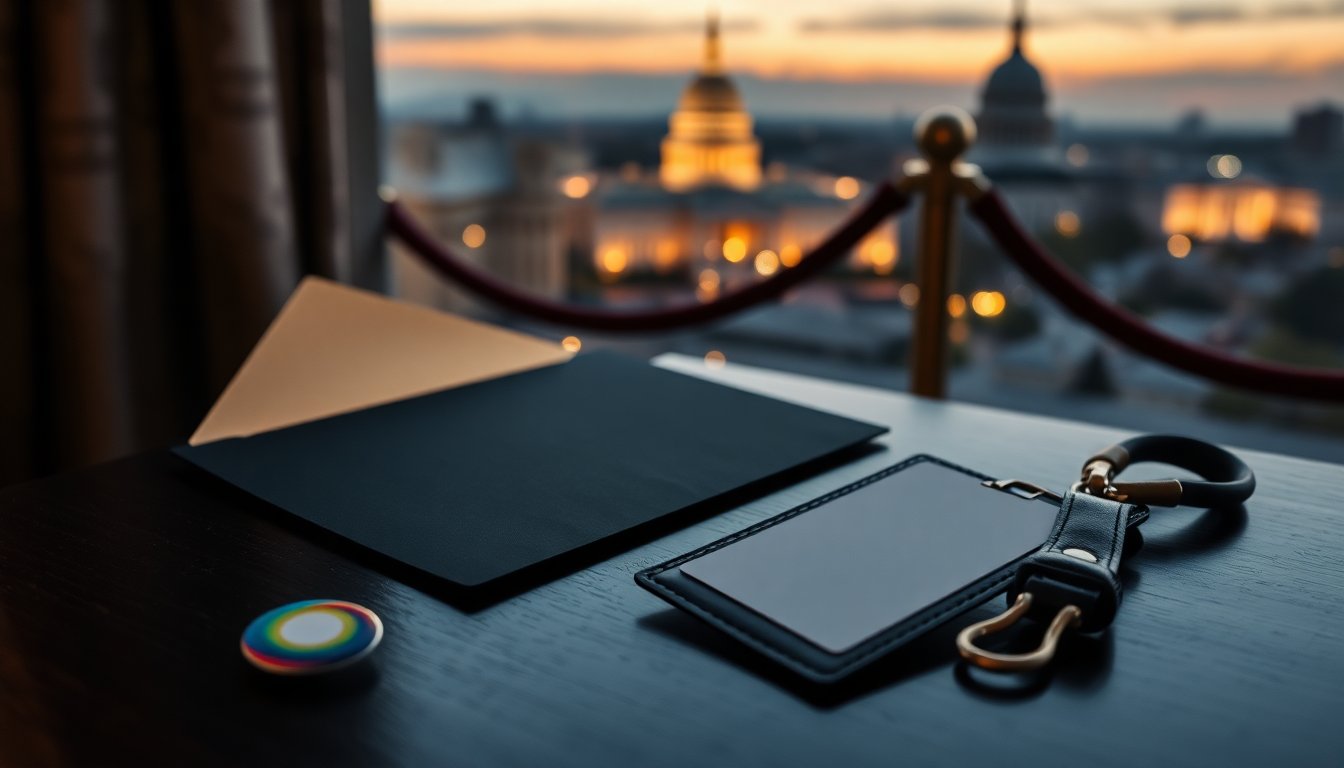
The annual White House Correspondents’ Dinner weekend has long been Washington’s springtime nexus of press, politics and celebrity. This year, attention shifted away from the dinner itself to a new, highly sought-after pre-event hosted by Grindr. An invitation circulated early in the season from Joe Hack, Grindr’s head of global government affairs, and its opening line — YOU’RE INVITED — quickly turned into social currency across the city’s overlapping networks of reporters, staffers and advocates. The message framed the gathering as a Friday evening reception to bring together policymakers, journalists and LGBTQ+ community leaders to toast the First Amendment and exchange ideas in a private setting.
Why a pre-party matters
In Washington, much of the real networking happens before the formal program. The White House Correspondents’ Dinner weekend is now crowded with corporate-sponsored events, media-hosted receptions and private soirées, and Grindr’s debut disrupted that crowded calendar by offering what many saw as an especially focused audience. The event is slated for a Friday evening, from 8 p.m. to midnight, at a noted Georgetown residence reportedly valued at $9 million. That choice of location, timing and guest mix underscores how brand-backed gatherings can become hubs for influence: communicators from advocacy groups, gay staffers on Capitol Hill and prominent journalists all jockeyed for spots on the guest list.
Who showed interest and why it matters
The invite list cut across familiar corridors: editorial leaders, LGBTQ+ elected officials and Hill aides, and corporate communicators eager to be seen. For many recipients, the invitation served not only as a social opportunity but as a symbolic signal of the growing role of queer communities in political and media circles. Observers pointed to patterns of platform use — for example, Grindr often sees spikes in activity around major political gatherings — as evidence that the app and its community are already interwoven with broader civic moments. Grindr’s representatives did not provide comment on the event’s sudden prominence when asked, leaving the party to speak through its RSVP list and the buzz it generated.
Part of a larger weekend
Grindr’s pre-party arrived amid a glut of competing functions, from legacy networks staging after-dinner events to media startups hosting house parties. Companies such as Boeing, Amazon and Meta have deepened their visibility on the weekend circuit, while new outlets and niche hosts — some less than a decade old — have multiplied the number of official gatherings. That expanding menu means attendees must be selective: for many, the strategic calculus is practical as well as social, balancing access to sources, opportunities for fundraising conversations and the optics of being seen at the right place with the right people.
Political context and stakes for the LGBTQ+ community
The timing of Grindr’s debut also overlaps with intense policy debates that affect queer communities nationwide. Since returning to office in January 2026, the administration has enacted a series of measures the Human Rights Campaign and other groups characterize as a sweeping rollback of protections: an executive order that attempts to end federal recognition for transgender and nonbinary people, efforts to reinstate and widen a military ban on transgender service, and directives limiting display of symbols such as rainbow flags at diplomatic posts. The administration rescinded several Biden-era orders meant to prevent discrimination based on gender identity and sexual orientation, eliminated the White House Gender Policy Council and removed LGBTQ+ resource pages from federal sites. According to trackers maintained by advocacy groups, these policy moves have also put HIV prevention and treatment programs at risk, posing public health concerns.
Visibility amid opposition
Against a backdrop of contested rights and legal battles, the presence of a high-profile, brand-hosted social event is more than celebratory: it is a statement about presence, resilience and networking power. For attendees from the LGBTQ+ community, the party represented an opportunity to convene alliances, raise visibility and build informal coalitions across journalism, advocacy and government. For critics, the gala circuit can feel like spectacle that distracts from the policy fights underway; for supporters, it is a practical arena where relationships that shape coverage and strategy are formed.
What to watch next
As the correspondents’ calendar expands, the role of sponsored gatherings will remain a key metric of influence in the capital. Observers will be tracking who attends these brand-hosted events, how access is allocated, and whether new players like Grindr sustain a presence beyond one inaugural evening. The weekend’s full slate of receptions and after-parties illustrates how modern political culture blends media, corporate outreach and community organizing — with each party offering its own mix of visibility and opportunity. In that context, Grindr’s entry onto the WHCD weekend lineup is notable less for the glamour of a single evening and more for what it signals about shifting networks of power and representation.


