Elton John’s musical adaptation of The Devil Wears Prada is a highly anticipated production that has been making waves in the theatre community. The show’s queer creatives are playing a significant role in shaping the fashion and character arcs, bringing a fresh perspective to the classic story. At its core, the musical adaptation is about self-discovery and empowerment, themes that resonate deeply with the LGBTQ+ community.
The relevance of this production lies in its ability to showcase queer representation in a mainstream medium. By incorporating diverse characters and storylines, the show is helping to promote inclusivity and acceptance. This article will delve into the ways in which queer creatives are shaping the show’s fashion and character arcs, and explore the impact of this representation on the LGBTQ+ community.
Queer Representation in Casting
The casting process for the musical adaptation has been notable for its inclusivity. The show features a diverse cast, including queer actors in leading roles. This intentional casting decision is helping to bring authenticity to the production, and is being praised by the LGBTQ+ community for its representation. The cast’s diversity is not limited to their sexual orientation, but also encompasses a range of racial and ethnic backgrounds.
Costume Design and Fashion
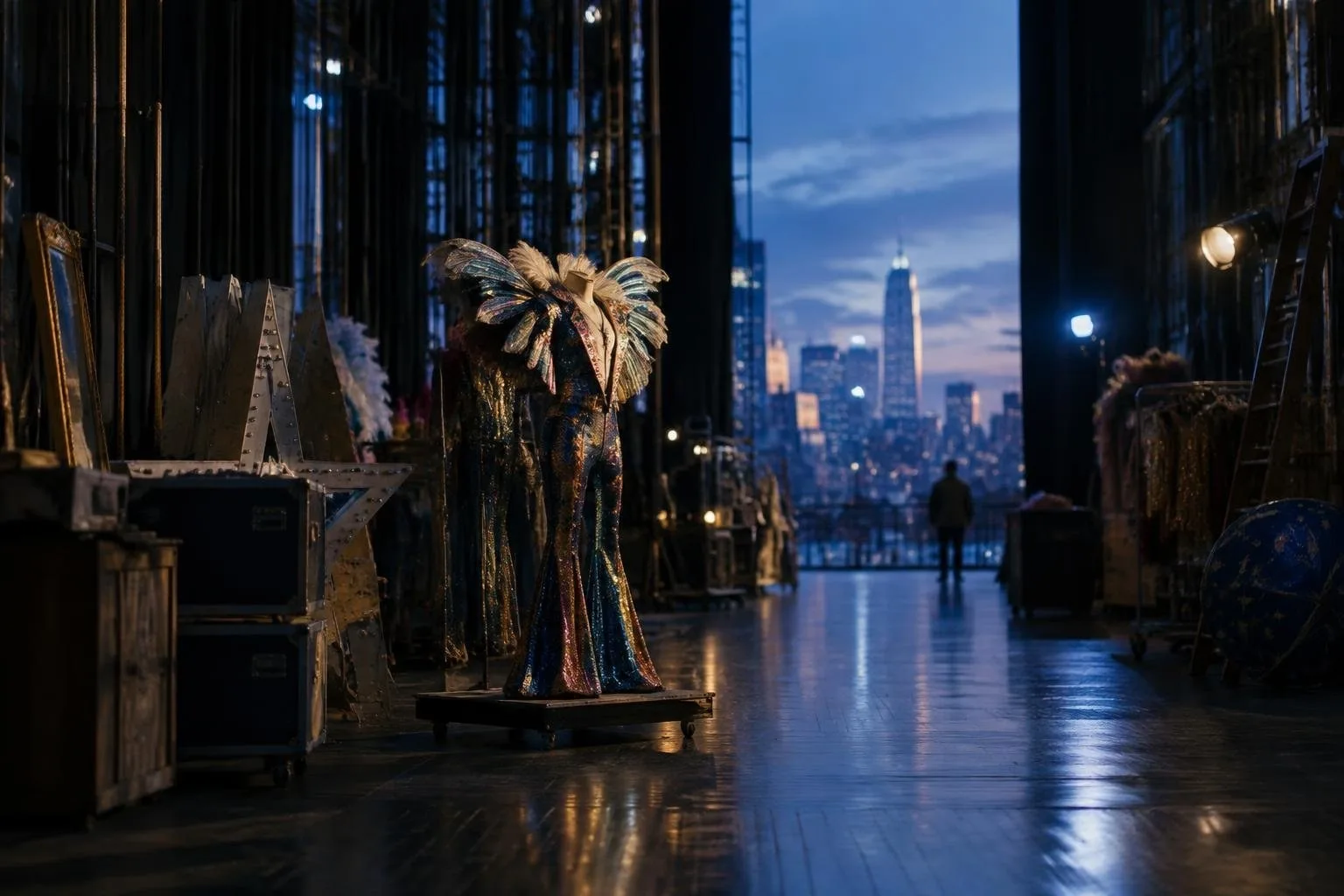
The costume design for the musical adaptation is also being shaped by queer creatives. The show’s costumes are a fusion of high fashion and theatricality, reflecting the personality and style of the characters. The costume designers are drawing inspiration from queer culture and history, incorporating elements that reflect the community’s diversity and individuality. The costumes are not only visually stunning but also carry a deeper meaning, with each piece carefully crafted to reflect the character’s identity and expression.
Dialogue Tweaks and Character Arcs
The show’s dialogue and character arcs are also being influenced by queer creatives. The writers are incorporating queer themes and storylines into the production, helping to create a more inclusive and representative narrative. The characters’ arcs are being developed to reflect the complexity and nuance of the LGBTQ+ experience, providing a more authentic portrayal of the community. The dialogue is witty and engaging, with characters that are multi-dimensional and relatable.
Impact on the LGBTQ+ Community
The musical adaptation’s impact on the LGBTQ+ community is significant. The show’s queer representation is helping to promote visibility and acceptance, providing a platform for queer voices to be heard. The production is also helping to challenge stereotypes and stereotypes, presenting a more nuanced and complex portrayal of the community. The show’s success has the potential to inspire a new generation of queer artists and creatives, providing a platform for them to showcase their talents and tell their stories.
As the musical adaptation continues to make waves in the theatre community, it is clear that the show’s queer creatives are playing a significant role in shaping its fashion and character arcs. With its inclusive casting, authentic costumes, and representative dialogue, the production is helping to promote visibility, acceptance, and empowerment within the LGBTQ+ community. The show’s success will likely have a lasting impact on the theatre industry, paving the way for more inclusive and representative productions in the future.