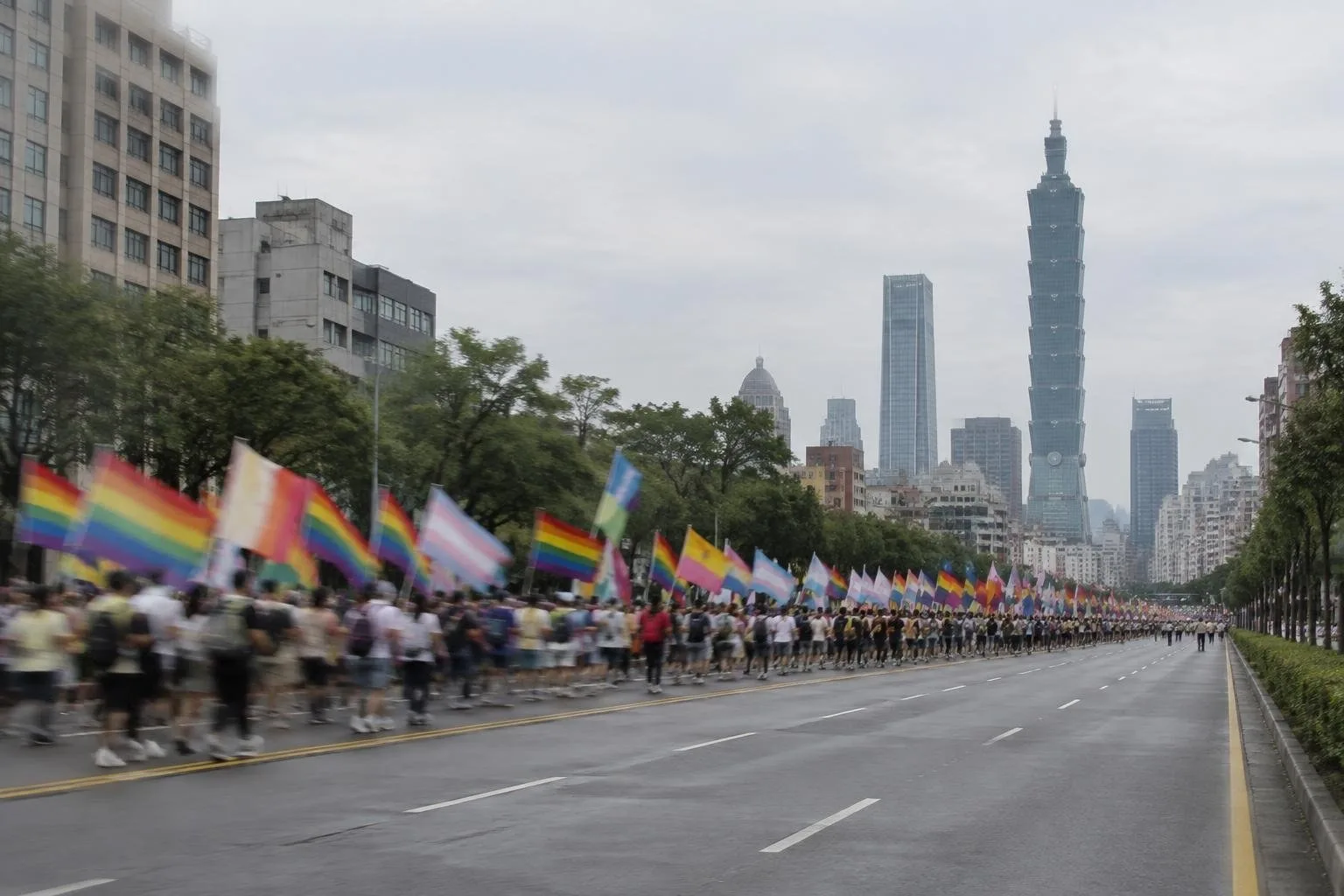
Amid rising attempts to silence queer voices in schools, libraries and even legislation, a loosely knit network of volunteers has turned to the world’s largest free-knowledge platform to archive and share LGBTQ+ narratives. One of those volunteers, Lane Rasberry – who chooses to wear only blue after a prophetic warning – logs edits under the quirky handle Bluerasberry in thousands of articles. His mantra, “document our challenges,” mirrors a broader movement that treats Wikipedia not just as a reference site but as a frontline repository against cultural erasure.
The movement found a physical focal point on October 23, 2026, when more than 150 participants representing at least thirty countries converged in Montreal for Queering Wiki 2026. billed as the world’s first fully in-person gathering of LGBTQ+ Wikipedia contributors, the three-hour-plus conference combined panels, workshops and informal networking, all aimed at strengthening the digital record of queer lives. Organisers note that the event caps a decade-long plan that began with an aborted 2020 summit in Austria and a series of virtual meet-ups from 2021 to 2025.
Queering Wiki 2026 brings together 150 activists in Montreal
The Montreal summit unfolded against a backdrop of heightened political hostility toward LGBTQ+ education in the United States and elsewhere. Executives from the user group Wikimedia LGBT+ framed the gathering as a defensive strike: by expanding and protecting existing entries, the community hopes to outpace the wave of deletionism propagated by far-right actors. The conference agenda highlighted successes—such as the creation of the first Assamese-language queer articles—and charted next steps, including the development of clearer provenance guidelines for sensitive material.
Historically, Wikipedia’s open-editing model has been both a strength and a vulnerability. While the platform’s crowd-sourced nature democratizes knowledge, it also leaves content exposed to coordinated vandalism. The Open Knowledge Movement, of which most editors are part, argues that collective stewardship can mitigate these threats, provided the community remains organized, trained, and adequately resourced.
Editors, archivists and technologists unite to safeguard queer narratives
Beyond the headline speakers, the conference showcased a mosaic of contributors who bring specialized skills to the encyclopedia. From Turkey, Ege Atacan Doğan explained how refining metadata—the descriptive tags that help surface content—makes queer histories more discoverable across language barriers. In India, Ajay Das demonstrated the impact of publishing LGBTQ+ material in Assamese, a first for the language’s public record. U.S. public-health educator Doja Ade emphasized that a robust Wikipedia presence can influence societal attitudes by presenting accurate, inclusive information.
Other participants highlighted complementary roles within the Wikimedia ecosystem. Pacita Rudder, who directs the New York City chapter, detailed training programs that empower newcomers to edit safely. Meanwhile, volunteers in Spanish-language communities used the event’s lunch break to exchange stickers, showing how informal cultural exchange reinforces formal editorial collaboration.
Funding, nonprofit status and future conferences
The 2026 gathering was made possible through core support from the Wikimedia Foundation and supplemental grants from regional affiliates such as Wikimedia Canada, Deutschland and Switzerland, as well as the artistic collective WikiPortraits. Organisers are already looking ahead: a second in-person summit is slated for 2028, with the host city still under discussion. Concurrently, the trustee board, chaired by Owen Blacker, is finalising a nonprofit charter that will unlock eligibility for major philanthropic grants—an essential step, according to Blacker, for scaling outreach, programming and multilingual content creation.
With the legal framework in place, the group anticipates expanding its mentorship pipelines, increasing the production of community-led zines, and strengthening cross-project collaborations that bridge Wikipedia with archives, libraries and museums. The overarching goal remains clear: to ensure that future generations encounter a vibrant, accurate record of LGBTQ+ lives, rather than a patched-together narrative riddled with gaps and deletions.