
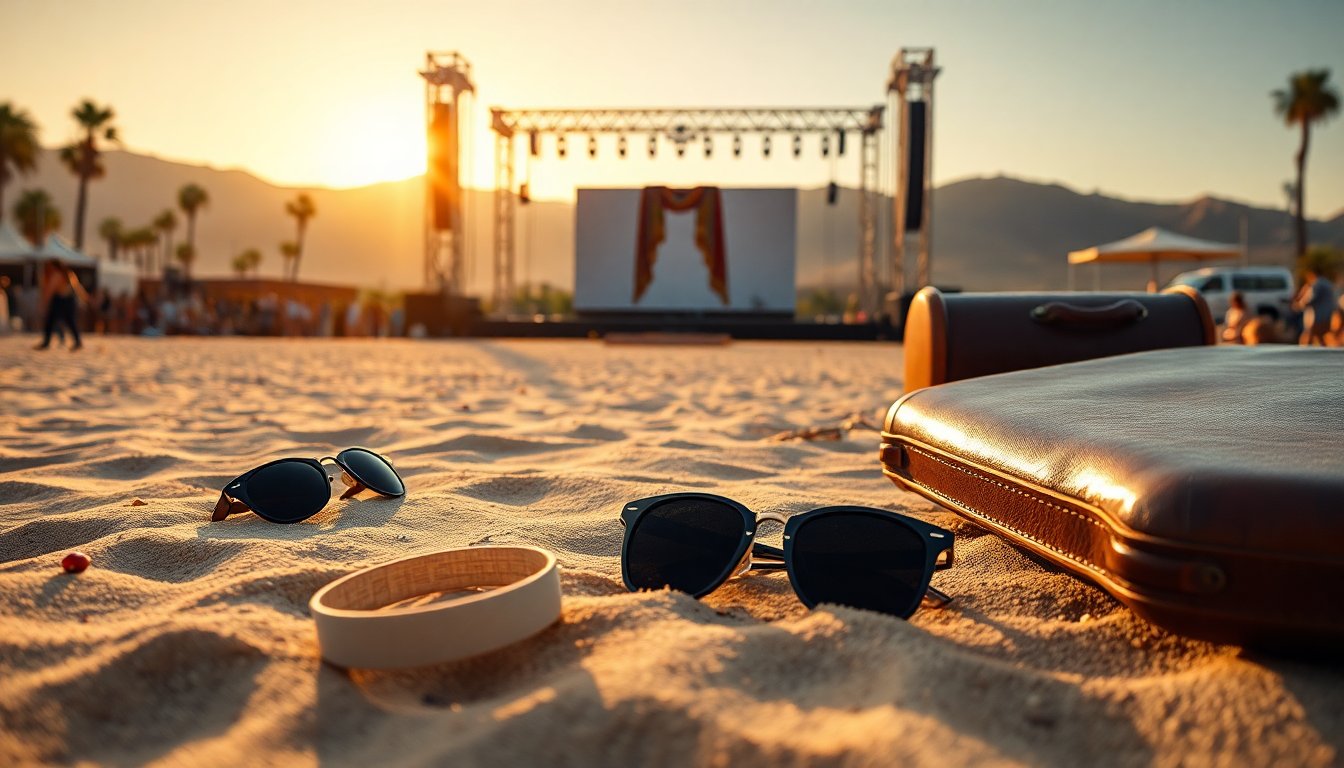
The first weekend of the 2026 Coachella Valley Music and Arts Festival arrived with high expectations and a sold-out crowd. The main stages at the Empire Polo Club in Indio, California showcased top-billed artists, led by Sabrina Carpenter, Justin Bieber and KAROL G, all billed as primary headliners. Festival organizers kept stages running from early afternoon into the night, and the buzz around the event matched that non-stop programming. This edition moved between stadium-scale spectacle and smaller, curated moments, and the mix of mainstream pop and alternative acts made for a diverse program that drew broad media attention.
Beyond the marquee names, the lineup included a range of artists embraced by the queer community and beyond, such as CMAT, The xx, Ethel Cain, KATSEYE, Slayyyter and Wet Leg. The festival also featured a novel theatrical moment when L.A.’s legendary Bob Baker Marionettes made their Coachella debut and announced an agreement to purchase their longtime Highland Park theater. Their presence illustrated how the festival increasingly blends music, art and neighborhood institutions, with the puppeteers performing in the Gobi Tent and recording logistics that made the set available on Coachella’s YouTube channel.
Standout sets and headline production
Each headliner approached their prime-time slot differently, producing memorable moments across the weekend. Sabrina Carpenter leaned into a cinematic staging—an aesthetic some called “Sabrinawood”—with multiple costume changes and a dramatic narrative arc that featured backdrops shifting from hillside glamour to neon cityscapes. Her lengthy setlist included many of her recent hits and several high-profile guests who punctuated transitions. In contrast, Justin Bieber opted for a more stripped-back, vocal-forward presentation, performing a wide-ranging 30-song set that reached into his catalog and recent releases. Closing the weekend, KAROL G delivered a high-energy, visually rich performance as the festival’s first Latina headliner, using her platform to celebrate culture and to spotlight issues affecting Latin communities.
Puppet spectacle: Bob Baker Marionettes at the Gobi Tent
The Bob Baker Marionettes turned a tent stage into an unexpected highlight, presenting a 40-minute show that expanded the company’s usual intimate format. Costumed puppeteers brought out the troupe’s iconic host, the sequin-adorned Pink Cat, and introduced an unusually large ensemble of characters: pink poodles lined up in a can-can, a quartet of googly-eyed cacti that bobbed to the beat, and a cavalcade of small white dogs animated across the stage. The program also included a playful number tied to contemporary pop culture when a character danced to a cover performance of a viral song, generating loud audience singalongs and laughter. The moment underscored how festival programming is increasingly eclectic, with art and camp sitting comfortably beside mainstream pop.
Why the puppet cameo mattered
The Marionettes’ appearance felt like an apt Los Angeles crossover: venerable community theater meets internet-era pop. That juxtaposition—old-school puppetry performing to a crowd of festivalgoers primed for viral moments—produced a scene that was both tender and deliberately ironic. The ensemble staged larger-than-usual tableaux, signaling a growth in scale for the company, even as the troupe acknowledged its local roots by referencing the Highland Park theater transaction. For many attendees the set was a reminder that festivals can create unexpected touchpoints between generations and art forms, and that those touchpoints often become the moments people replay online.
Culture, creators and crowd dynamics
On the ground, the festival mixed celebration with friction. The event drew a visible LGBTQ+ presence, with social feeds filling up with posts under #gaycoachella and related tags; a variety of personal accounts and Reddit threads recounted hookup stories as far back as the 2026 edition, reflecting that Coachella has long been a place for social and sexual exploration. At the same time some observers noted tensions: fashion controversies emerged around cultural appropriation, while local reporting and industry outlets highlighted concerns about festival ownership—pointing out that Philip Anschutz, who owns the parent company, has previously donated to organizations criticized for anti-LGBTQ positions.
Logistics, influencers and ticketing headaches
Behind the scenes, the festival economy created both opportunity and chaos. The event sold out quickly after announcement, and the creator economy produced a steady stream of curated outfits and sponsorship-driven appearances. Yet influencers reported last-minute sponsor changes, and many attendees described problems with short-term rentals and ticket resales: canceled Airbnbs, disputed resales and occasionally invalid tickets. Those frictions showed how large-scale live events now operate at the intersection of social media commerce, local housing pressures and complex ticketing systems, making logistics as much a part of the festival narrative as the performances themselves.


