
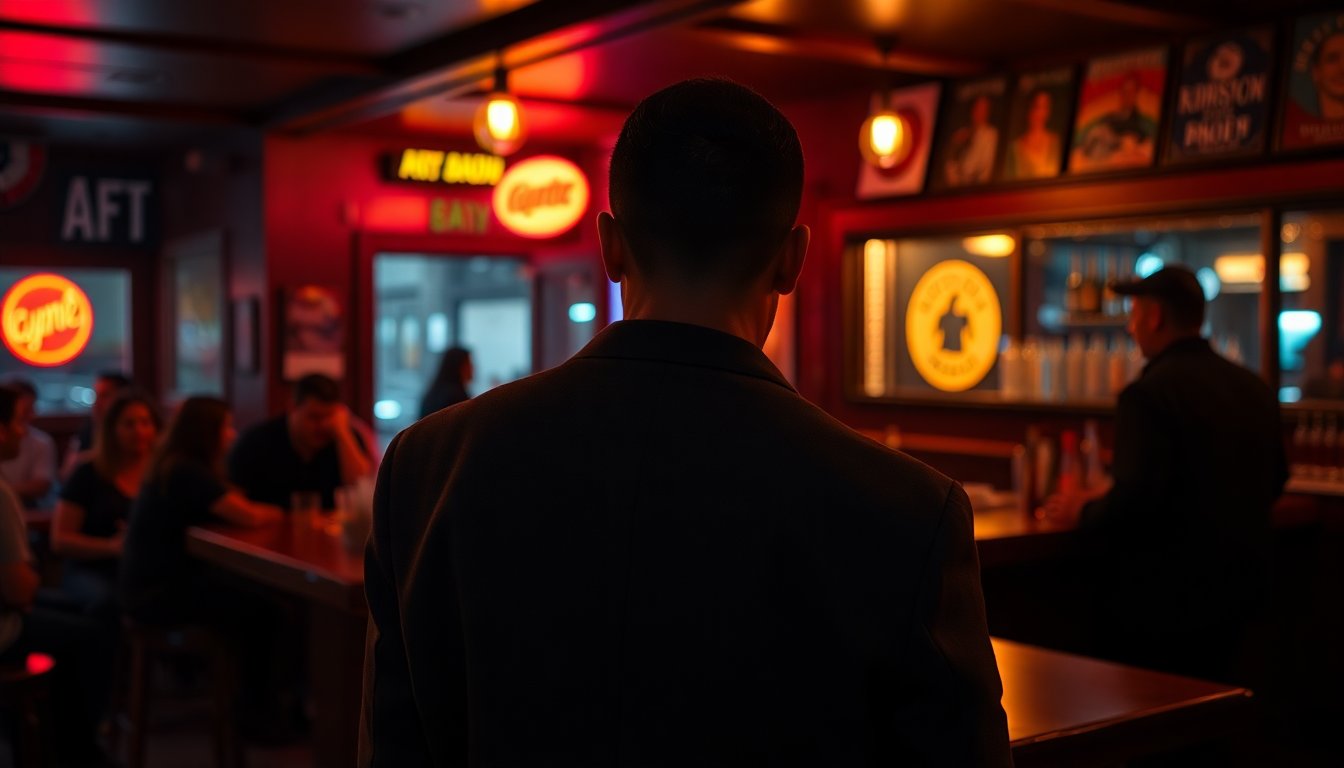
The incident began when a Black transgender woman who posts as Lauren on TikTok handed her state identification to a bartender at Soho in Ferndale and was told the card could not be accepted. What followed, she says, was more than an ordinary ID question: a changeable stream of reasons for rejection, an escalating verbal confrontation and a demand that she leave the establishment. After posting the encounter online, Lauren framed the episode as an example of discrimination against both Black and trans patrons.
The patron reports the interaction took place on April 14. She says her card is a REAL ID-compliant state identification she received last year and that she had used it successfully at other venues, including the same bar weeks earlier. The story has since prompted a public apology from the bar, a manager-level response on site, and social-media posts and reviews alleging similar problems. Soho emphasized its long presence in the LGBTQ+ community and says it is reviewing staff expectations related to ID verification and respectful communication.
What unfolded at the bar
Lauren describes entering the bar and being met with a chilly demeanor from a bartender she identified as a butch cis white lesbian. The staff member used a black light to inspect the ID and then rejected it, citing what the patron says were shifting reasons: a hologram concern, the card being “invalid,” a claim it was “fake,” and finally an assertion that the establishment required a drivers license rather than a state ID. The changing explanations, the patron says, made the situation feel inconsistent and targeted rather than procedural, and contributed to her alarm and anxiety while staff continued the exchange.
The ID dispute
According to the patron, the technical element at issue was that her state card is REAL ID-compliant and displays a female gender marker but also retains her birth name. She says the bartender alternated reasons for rejecting the card instead of offering a clear, consistent policy-based explanation. To the patron, those inconsistencies suggested a lack of competence in ID verification or—more troublingly—an underlying bias. She asked for a manager to review the identification; during the wait, she reports feeling “literally shaking” and intensely anxious as the confrontation escalated around her.
The exchange and ejection
When she challenged the interaction as discriminatory, the bartender reportedly denied the possibility of bias, arguing that being a lesbian and working at a gay bar precluded discriminatory conduct. The patron counters that membership in an LGBTQ+ community does not eliminate the capacity to be prejudiced toward specific groups, and says the bartender accused her of being cisphobic in return. The bartender then asked her to leave, threatened to call police, and loudly complained to other patrons, who the patron says began pressuring her to get out of the bar.
Owner and community responses
Soho issued a statement acknowledging the interaction “escalated in a way that should not have happened,” apologizing to the patron and saying it addressed the situation with staff. The bar emphasized its two-decade history in the local LGBTQ+ community and vowed to reinforce policies around respectful communication, de-escalation, and ID verification. The manager who later spoke with the patron reportedly apologized in person and offered concessions such as free drinks, but the patron says the bartender who triggered the incident did not apologize directly.
Social media and pattern claims
After posting the exchange on TikTok, the patron drew attention to other Google reviews and social-media accounts alleging similar troubling encounters with staff at the same venue, particularly from people who are Black or trans. These linked accounts and comments contributed to her view that the problem may not be isolated to one night or one employee. The bar’s statement noted that stories can spread quickly online and stressed its focus on accountability, while community members continue to debate whether this was a case of misunderstanding, incompetence, or discriminatory conduct.
Possible next steps and wider implications
The patron says she is considering filing a complaint with the Michigan Department of Civil Rights to elevate the matter beyond a local dispute. Whether she pursues that path or not, the episode highlights recurring questions about how establishments that identify as LGBTQ+ spaces enforce policies and protect patrons: how staff are trained in de-escalation, how to verify various forms of identification fairly, and how to ensure that a venue’s reputation for being a safe space aligns with the experiences of all patrons, including those who are trans and Black. The incident has prompted calls for clearer procedures and visible accountability when customers feel their rights have been compromised.
Looking ahead
As the story circulates, the focus for many will be whether the bar follows through on promised training and whether local authorities or advocacy groups become involved if a formal complaint is filed. For the patron who posted the video, the goal appears to be both personal redress and public awareness: she wants other consumers to know what she experienced and to prompt changes that prevent similar encounters for others in the future.


