
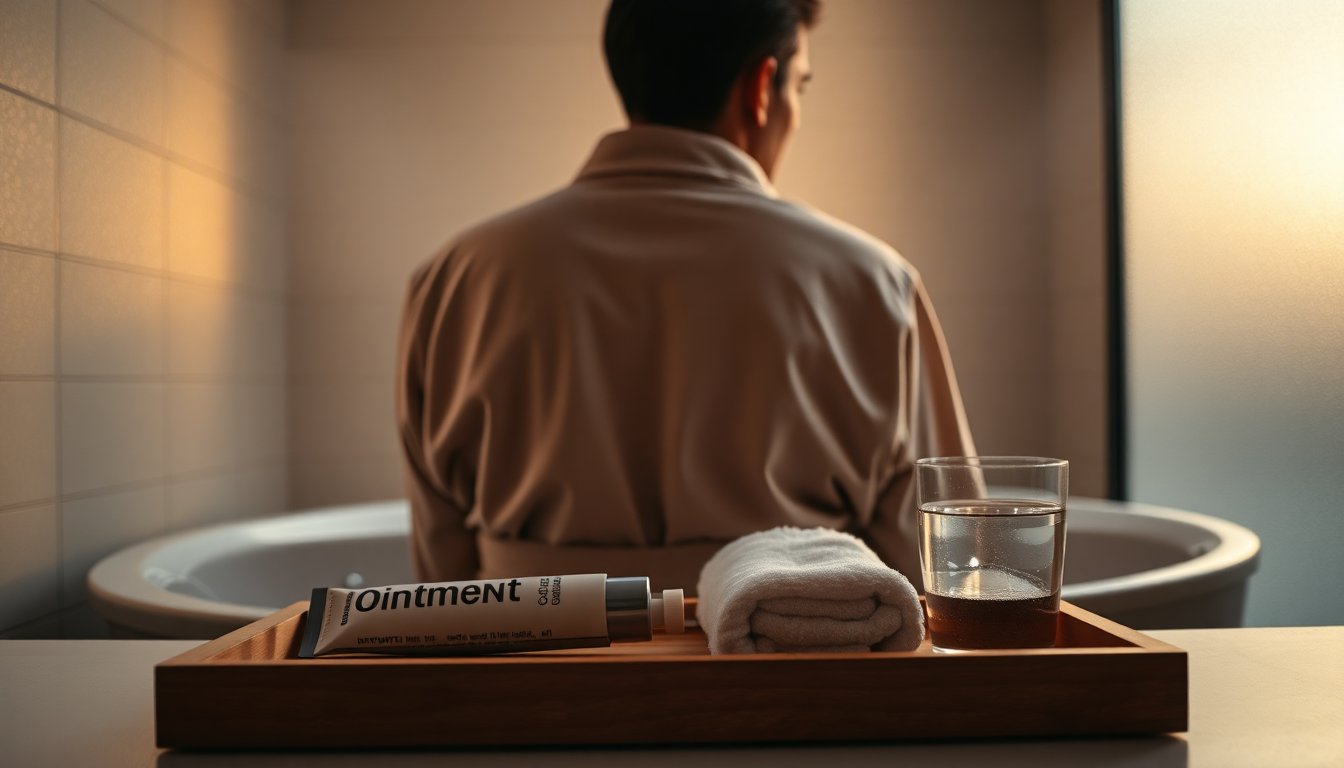
The anal fissure is a common but often misunderstood problem: a small tear in the lining of the back passage that can cause intense pain and bleeding. In sexual communities and beyond, people typically notice a fissure because of sharp pain during bowel movements or discomfort after receptive activity. The medical community treats these tears with a mix of conservative at-home care, topical prescriptions, and, in some cases, procedures—each approach aims to reduce muscle spasm and promote tissue repair while keeping stool soft and easy to pass.
While anyone can develop a fissure, the causes are varied and the recovery timeline depends on the tear’s depth and on how quickly someone alters irritating behaviors. This article covers how to spot a fissure, the practical first-aid steps to take, the treatments clinicians recommend when simple measures fail, and how to change sexual habits to reduce repeat injury. Throughout, anal health and clear communication with partners are emphasized as cornerstones of both healing and long-term prevention.
What is an anal fissure and how does it present?
An anal fissure is essentially a split in the mucosal lining of the anal canal. People usually report a sudden, sharp pain described like a paper cut or knife during bowel movements, often followed by a lingering ache. Bright red bleeding on the toilet paper or in the stool is common, and the area can become irritated or swollen. These are different from hemorrhoids, which are swollen veins; fissures are actual tears that may be superficial or deeper, and deeper or chronic fissures can lead to persistent spasm of the internal anal sphincter, which slows healing.
Why receptive anal sex and certain activities raise risk
Repeated or forceful receptive anal intercourse, inadequate preparation before penetration, insufficient lubrication, or a very large partner or toy can increase the chance of tearing. In addition, constipation and straining create high pressure during bowel movements and are frequent culprits for fissures in people who do not engage in anal sex. Sitting on the toilet for long periods and the use of abrasive wipes may also disrupt the skin barrier. Recognizing these triggers is essential to preventing new tears and protecting the healing process.
Prevention strategies during sexual activity
The most effective preventive measures are practical: warm up with fingers or small toys, use a high-quality silicone-based lube that doesn’t dry out, and apply generous amounts throughout play—reapplying every few minutes during penetration reduces friction. Avoid numbing products that mask pain and prevent you from sensing small injuries. Anal dilators used gradually as a prelude to deeper play can help the tissues adapt over time. Positions where the receptive partner controls depth and speed make it easier to communicate and avoid abrupt stretching that can cause tears.
Treatment options: home care to medical interventions
Initial treatment usually starts at home with stool regulation and topical care. Aim for softer stools by increasing fiber intake to about 25–35 grams per day and drinking plenty of water (roughly 2–3 liters), while using a stool softener like docusate sodium 100 mg twice daily during healing. Warm sitz baths and over-the-counter analgesics can ease discomfort; avoid excessive use of anti-inflammatories that might increase bleeding. Over-the-counter creams and prescription compounds that include a local anesthetic and a muscle-relaxing agent can reduce sphincter pressure and promote healing.
When to escalate care
If symptoms persist beyond one to two weeks despite conservative measures, seek specialist evaluation. Injecting botulinum toxin (Botox) into the internal sphincter relaxes the muscle and helps many fissures heal—reported success rates are high and this approach avoids surgical risks. For chronic fissures that do not respond to medical therapy, a surgical option called lateral internal sphincterotomy can be curative; it has a strong track record for healing but carries a small risk of incontinence. Discuss risks and benefits with a colorectal expert to choose the right path.
Returning to sex and long-term care
Allow adequate time for full healing. Many clinicians recommend avoiding receptive penetration for several weeks—commonly four to eight weeks—until you are pain-free and bleeding has stopped. Some providers advise a staged return: complete a course of medication, then perform a supervised test using dilators or gentle play to confirm tolerance. Continued attention to stool softness, hydration, use of sufficient lubrication, gradual warm-ups, and partner communication will reduce recurrence. If a fissure recurs or healing stalls, early evaluation shortens recovery and preserves sexual function in the long term.


